
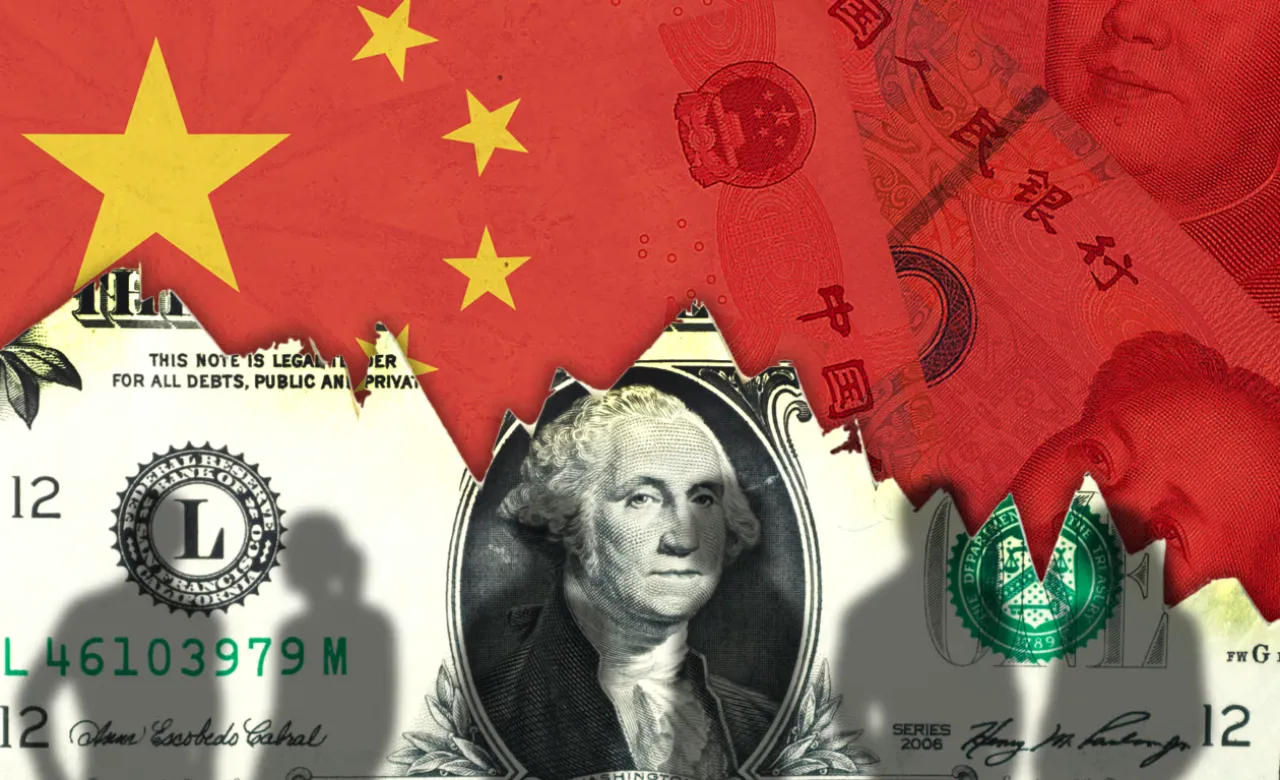
The US dollar is having a tough time right now. The dollar index, which tracks how strong the US currency is, has dropped below 97. This is the lowest level we’ve seen since early 2022. But what’s causing this drop, and what does it mean for regular people?
China recently told its banks to hold fewer US Treasury bonds. This simple move has big effects. When China buys less US debt, there’s less demand for dollars. Think of it this way – if fewer people want to buy something, its value goes down. That’s exactly what’s happening with the US dollar right now.
The timing is interesting. Global tensions are easing, which makes the dollar less attractive as a safe place to park money. When people feel worried about the world, they usually buy dollars. But when things calm down, they look for better returns elsewhere. Right now, investors are feeling more confident, so they’re moving their money out of dollars.
Japan’s recent election has also played a role. Prime Minister Sanae Takaichi won a big victory on February 8. Markets expect Japan to spend more money on its economy, which makes the Japanese yen more attractive. This is simple economics – money flows to where growth is expected.
Another easy-to-understand factor is the progress in Middle East peace talks. President Trump recently called talks with Iran “very good.” When there’s less conflict in the world, people don’t need the safety of the dollar as much. The dollar often goes up during scary times and down during peaceful times.
Inside the Federal Reserve, there’s a debate about interest rates. Fed Governor Stephen Miran wants to cut rates by a full percentage point this year. He believes current rates are too high. Lower interest rates typically make a currency weaker because investors can get better returns in other countries. This simple relationship between rates and currency strength is playing out right now.
Some traders worry that the Fed is becoming too political. Miran recently moved from the White House to the Fed, which raises questions about independence. If the Fed cuts rates just because politicians want it, the dollar could weaken even more.
This week, traders are watching two simple but important numbers. First is the jobs report, which was delayed. If job growth is slowing, the Fed might cut rates sooner. Second is the inflation report, called CPI. If prices are rising more slowly, that also supports rate cuts.
The pound and euro are both getting stronger against the dollar. The British pound is trading near $1.37, while the euro is around $1.19. Both currencies could rally further if the dollar keeps falling.
For British pound traders, the easy trade setup is simple. Buy near $1.36 and sell near $1.37. For euro traders, buy near $1.19 and aim for $1.20.
What does all this mean for everyday people? If you’re planning a trip to Europe or Britain, your dollars will buy you less. If you’re an American company selling goods abroad, your products become cheaper for foreign buyers, which could boost sales.
The big question now is whether the dollar will fall further. Many traders think it could drop to 95 on the dollar index. That would mark an easy 2% decline from current levels.
Looking ahead, the path seems simple. If inflation stays low and jobs growth slows, the Fed will likely cut rates. That would push the dollar even lower. But if the data surprises on the strong side, the dollar could bounce back quickly.
For now, the trend is clear. The dollar is weak, and other currencies are gaining strength. It’s a simple story of supply and demand, mixed with politics and global events. Whether you’re an investor or just planning your next vacation, understanding these easy concepts can help you make better financial decisions.