
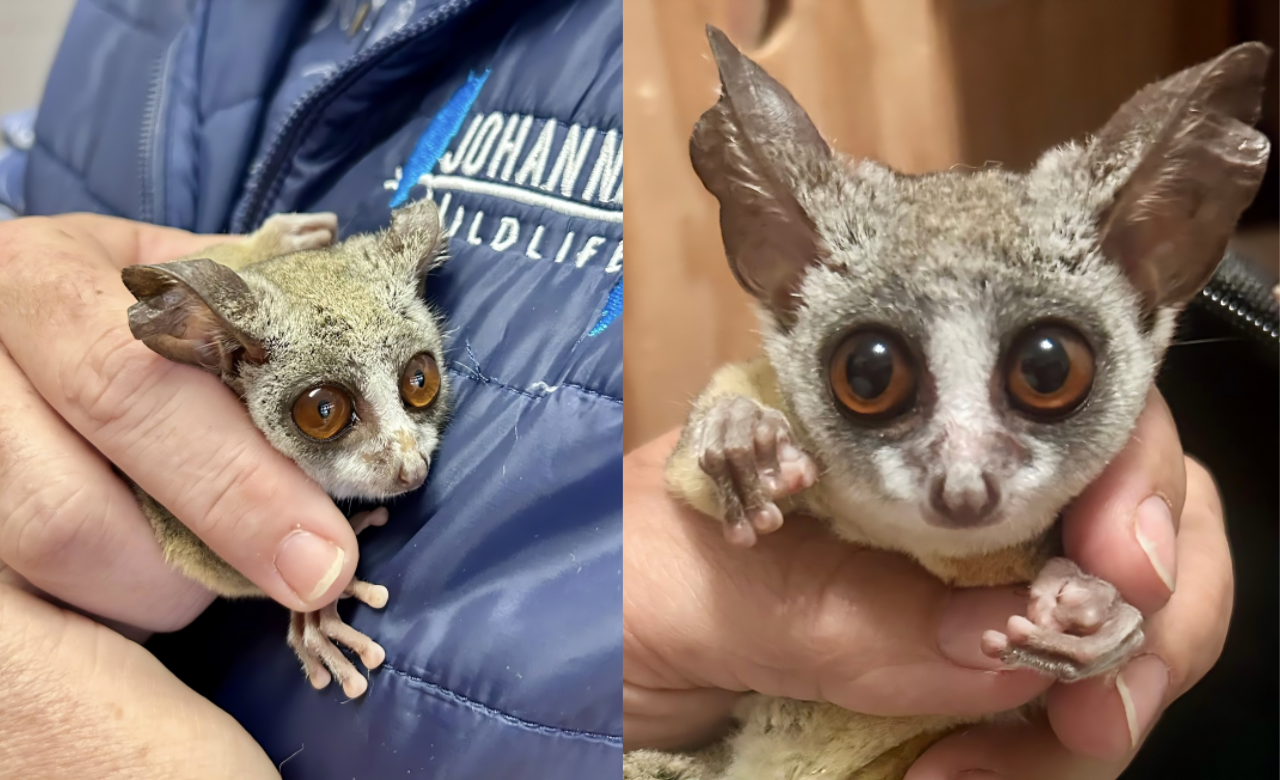
A small bushbaby just completed one of the most unusual journeys in South African wildlife history. The tiny creature traveled all the way from Johannesburg to Cape Town without anyone knowing. It was hiding inside a vehicle the entire time. The drive was 1,400 kilometers long. When the little stowaway was finally discovered in Cape Town, wildlife experts knew they had to act fast. This was not where the animal belonged. Getting it home would not be easy, but it had to be done.
The bushbaby was later named Maurice. It is a lesser galago, which is the scientific name for this type of primate. These animals are small and nocturnal. They have big, round eyes that help them see in the dark. They are native to woodland and savanna areas in the northern and eastern parts of South Africa. You can find them in places like Gauteng, Mpumalanga, and Limpopo. But you will never find them naturally in the Western Cape. That is why Maurice being in Cape Town was such a problem.
When Maurice was discovered, the person who found him did the right thing. They handed the animal over to the Cape of Good Hope SPCA. The SPCA has a Wildlife Unit that knows how to handle situations like this. They examined Maurice and confirmed he was alive, alert, and uninjured. That was good news. But the bigger question remained. What should they do with him? Releasing him in Cape Town was not an option. It would be dangerous for Maurice and for the local ecosystem. Bushbabies do not belong in that region. If he was let go there, he would probably die. He would not know where to find food. He would not know how to survive in an unfamiliar environment.
Wildlife experts also explained that bushbabies are social animals. They live in colonies with their families. They are also very territorial. If you take a bushbaby away from its family group, its chances of survival drop dramatically. Maurice needed to go home. But sending a wild animal across the country is not simple. It requires permits, approvals, and careful planning.
The SPCA worked alongside the Johannesburg Wildlife Veterinary Hospital. Specialists were able to figure out which colony Maurice likely came from. That was a huge step forward. Then they had to get permission from CapeNature. This is the organization that regulates the movement of wild animals into and out of the Western Cape. Without their approval, Maurice could not leave the province legally. Thankfully, the permits were secured.
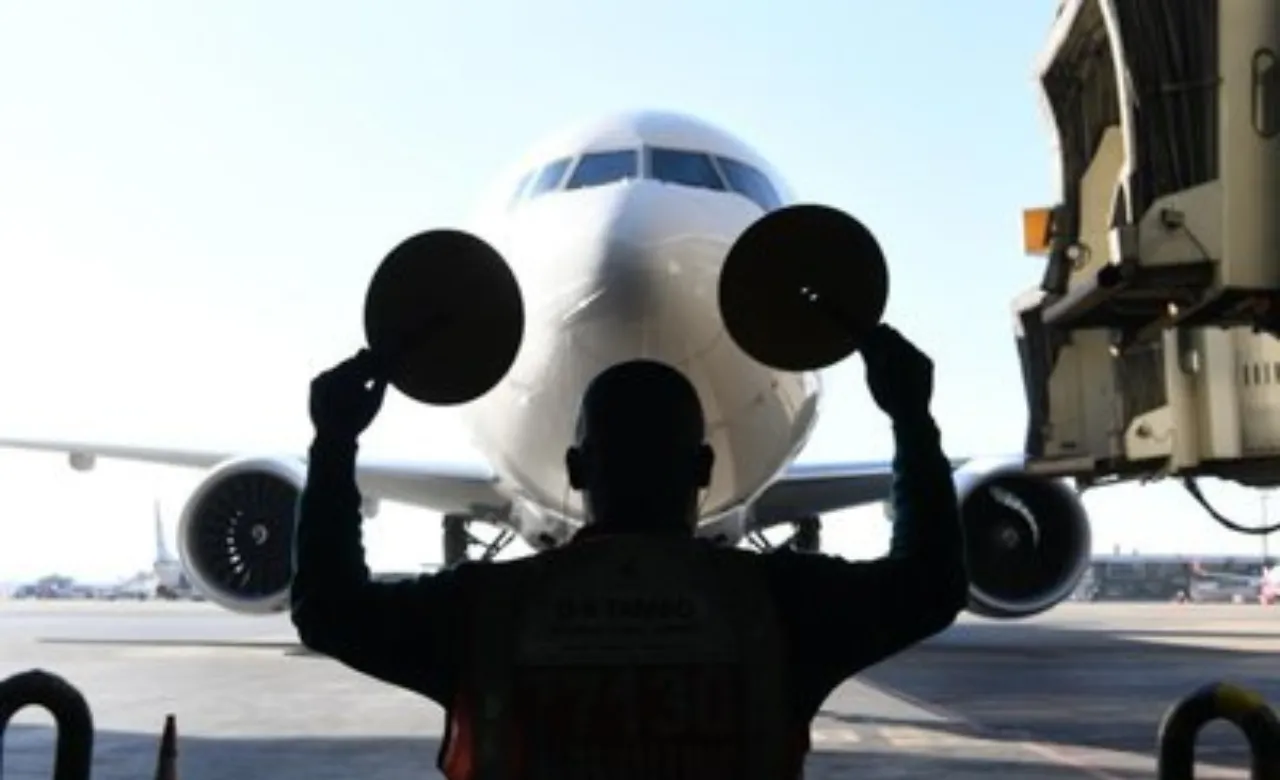
The next challenge was transport. Driving Maurice back to Johannesburg would take too long. It would also be stressful for the animal. So Airlink, an airline company, stepped in to help. They provided logistical support. Maurice was flown back to Johannesburg safely. It was a much faster and less stressful option for the little primate.
Once Maurice arrived back in Johannesburg, he was reunited with his colony. Wildlife experts said this gave him the best chance of survival. Being back with his family meant he could return to his normal life. He could find food, communicate with other bushbabies, and live in the environment he was meant for. It was a happy ending to a very strange journey.
The SPCA used this incident to remind the public about an important issue. Accidental translocations happen more often than people think. Wild animals can hide in vehicles, shipping containers, or building materials. Sometimes they travel hundreds or even thousands of kilometers without being noticed. If these animals are not returned to their natural habitats, they often die. That is why it is so important to check your vehicle after traveling long distances, especially if you have been in bushveld areas.
If you ever find a wild animal in your car or home, do not try to handle it yourself. Contact wildlife professionals immediately. They know how to safely capture and relocate the animal. Maurice was lucky. He survived a 1,400-kilometer journey and made it home safely. But not every animal is that fortunate. This story is a reminder that a little bit of awareness can save a life. Whether it is checking your car before a long trip or calling the right people when you find a stowaway, these small actions make a big difference. Maurice is proof of that.