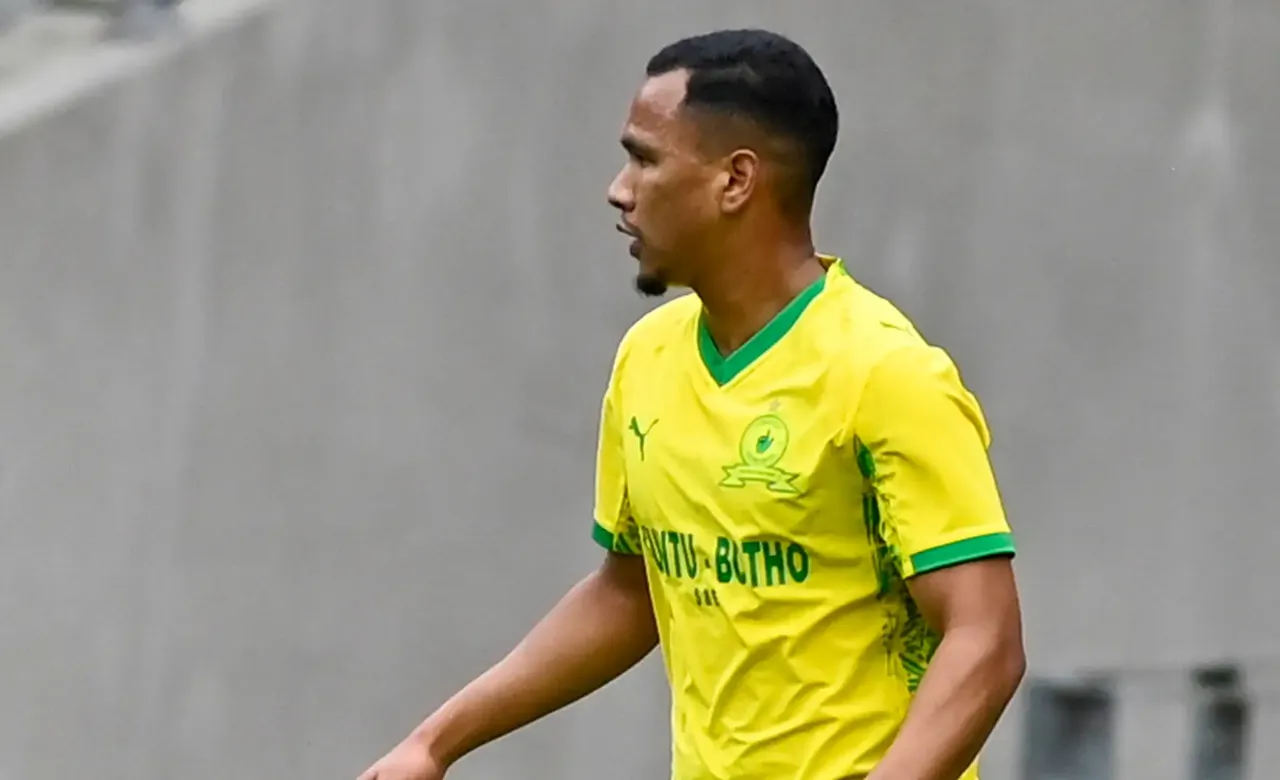

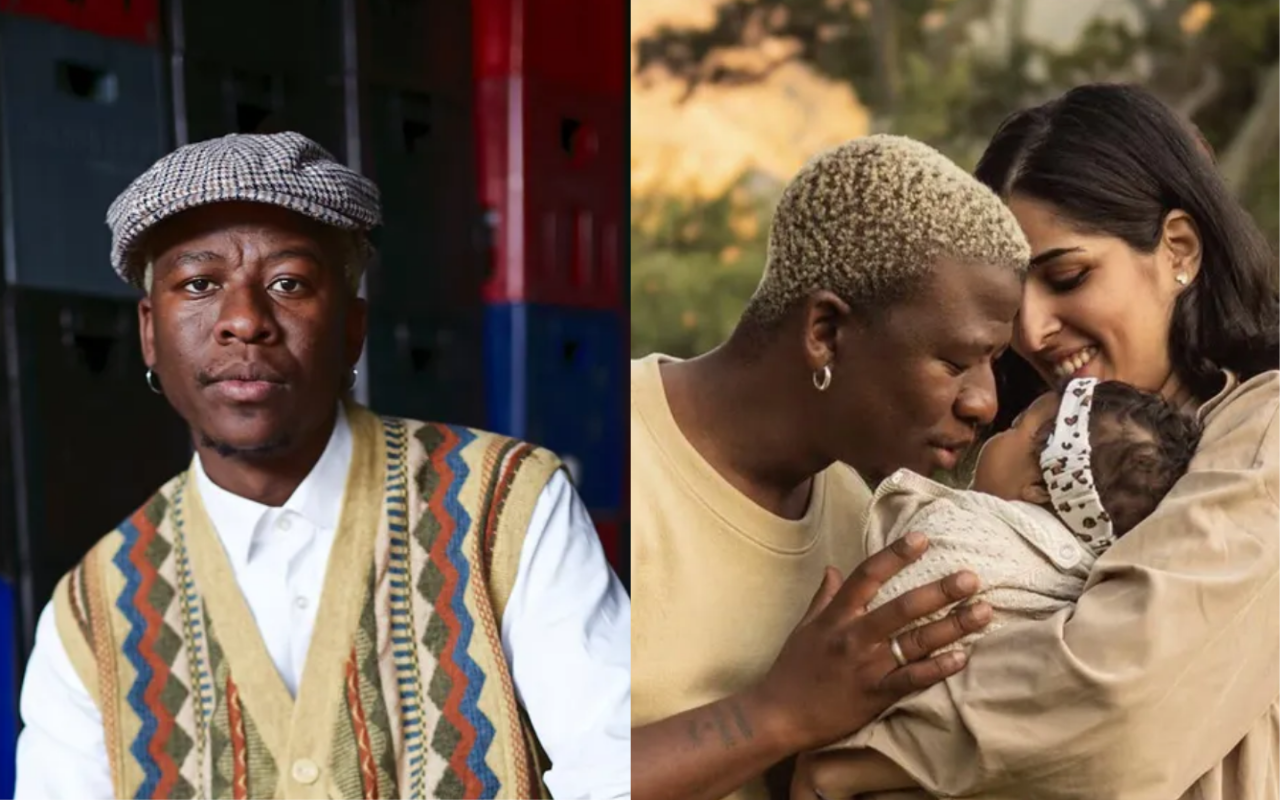
South Africa lost one of its talented young voices this month. Bravo Le Roux, the beloved isiXhosa rapper from Khayelitsha, passed away on January 22, 2026, in Switzerland. He was only 30 years old. His real name was Sinesipho Peter. For days, the country mourned without knowing the full truth. Then, on February 1, his family confirmed the cause of his death. It was suicide. The news hit South Africa hard. It was not easy for anyone to take in. Now, the country is having a very important conversation about mental health, especially among artists.
Bravo Le Roux was not just any rapper. He was a voice that touched the hearts of many. He grew up in Khayelitsha, Cape Town. From a young age, he performed in local community events. Over time, he built a career that reached people across South Africa and even beyond its borders. He was known for his hit song “Makwenkhwe.” His music told simple but powerful stories about township life. He sang about struggles, hopes, and the real experiences of young South Africans. His lyrics were written in Xhosa and blended with modern beats. People loved him for being honest and real in his art. He won awards at the Rise Up Music Awards. He was also nominated at the South African Hip Hop Awards. One of his singles even received a gold certification. That is no small achievement for any artist.
But behind all that success, Bravo was fighting a battle that most people could not see. Mental health struggles are not always easy to spot. They can be hidden behind smiles and stage performances. The simple truth is that many artists deal with pressure every single day. They face the weight of fame, the demands of the industry, and sometimes, loneliness. For Bravo, those battles became too heavy to carry alone.
The family confirmed his cause of death through a letter written by their spokesperson, Gcobani Ndzongana. The letter was addressed to the South African government. It was a simple and direct confirmation of what had happened. The news spread quickly across social media. Fans and fellow artists flooded the internet with tributes. Many people shared memories of how Bravo’s music made them feel. Others expressed deep sadness and shock.
His wife, DJ Sab, whose real name is Sabrina Peter-Messina, has been working hard to bring his body back home from Switzerland. The cost of repatriation and funeral arrangements reached nearly R500,000. That is a huge amount of money. It is not easy for any family to handle such a bill, especially while grieving. DJ Sab launched a GoFundMe campaign to raise the funds. South Africans responded with great generosity. Over R400,000 was raised through donations from fans and fellow musicians. The country came together in a simple but meaningful way to support the family during one of the hardest times of their lives.
A memorial service was held on February 5, 2026, at OR Tambo Hall in Khayelitsha. The event ran from 3 PM to 9 PM. Friends, fans, family, and fellow artists gathered to celebrate the life of a man who gave so much to South African culture. It was a moment for people to remember Bravo not just as a musician, but also as a father, a husband, and a son.
Bravo Le Roux’s passing has started a bigger conversation in the country. Mental health in the music industry is not a simple topic to discuss. It is often ignored or pushed aside. Artists are expected to perform and deliver all the time. But the pressure behind the scenes is real. It is not always easy for them to ask for help. Many suffer in silence because talking about mental health still carries a stigma in South Africa.
The Peter family has called on everyone to show empathy. They want people to support not only their family but also all artists who are going through similar struggles. Bravo’s story is a reminder that behind every great song, there is a real person. And that person may need help more than anyone could ever know. South Africa must now listen. It must make it easy for its artists to speak up. And it must make sure that no one has to fight these battles alone again.
If you or someone you know is struggling with mental health, please reach out to a trusted person or a professional. You are not alone, and help is always available.