

A team of fossil hunters has made an exciting discovery on South Africa’s coast. They found dinosaur footprints that are 132 million years old. These tracks are now the youngest dinosaur footprints ever found in southern Africa. The discovery happened in Knysna, a coastal town in the Western Cape province. This simple find has changed what we know about dinosaurs in the region.
An Unexpected Discovery
The research team wasn’t looking for dinosaur tracks at first. They went to Knysna to study younger footprints in the sand dunes. During their visit in early 2025, they decided to check a small rocky area. This rock formed during the early Cretaceous Period.
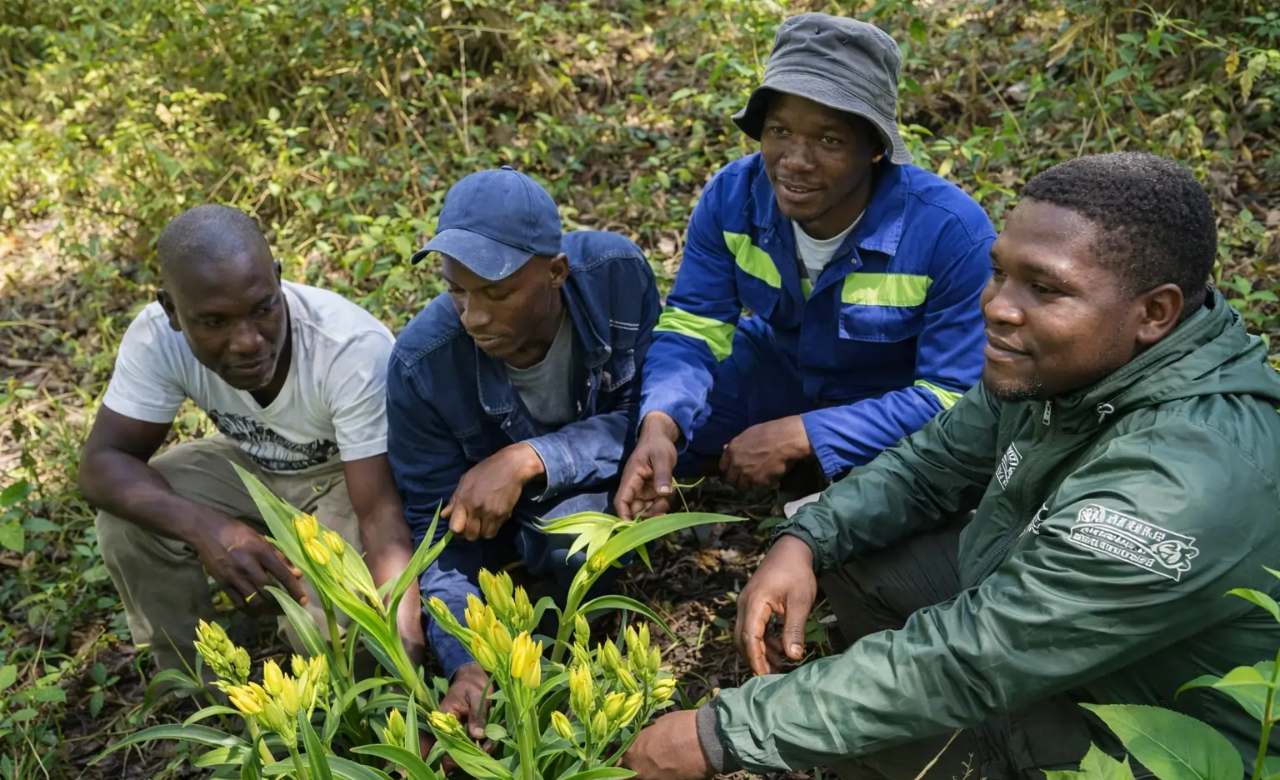
Linda Helm, a team member, made the exciting find. She told everyone she had found dinosaur tracks. The team examined the area carefully. They found more than two dozen footprints. It was easy to see that these tracks were very old and well-preserved.
A Small Site with Big Importance
The discovery site is very small. It measures only 40 meters long and five meters wide. Finding dozens of tracks in such a tiny space is remarkable. This tells scientists something important. Many dinosaurs lived in this region during the Cretaceous Period.
The rock formation is called the Brenton Formation. High tide covers most of the tracks twice every day. Scientists must time their visits carefully to study the footprints.
Why This Discovery Matters
These 132-million-year-old tracks are special for several reasons. They are the youngest dinosaur footprints in southern Africa. The previous youngest tracks were found in the Karoo Basin. Those were 50 million years older.
This is only the second time Cretaceous dinosaur tracks have been found in South Africa. The first discovery was reported just recently in 2025. Each new find helps paint a clearer picture of prehistoric life.
What Happened to Dinosaur Fossils?
Southern Africa has many dinosaur fossils from earlier time periods. The Karoo Basin contains abundant tracks from the Triassic and Jurassic periods. But something dramatic happened 182 million years ago.
Huge volcanic eruptions covered the landscape with lava. These eruptions created what scientists call the Drakensberg Group. The lava buried many dinosaur habitats. After the eruptions, dinosaur fossils became very rare. The fossil record went quiet for millions of years.
Different Types of Dinosaurs
The Knysna tracks show that several types of dinosaurs walked there. Scientists identified tracks from theropods. These were meat-eating dinosaurs that walked on two legs. They may have also found ornithopod tracks. These were plant-eating dinosaurs that also walked upright.
Some larger tracks might belong to sauropods. These were enormous dinosaurs with very long necks and tails. Telling different dinosaur tracks apart can be difficult. Theropod and ornithopod tracks sometimes look similar.
The researchers chose not to make quick judgments. They documented all the tracks carefully. The goal was simple: prove that dinosaur tracks from this time period exist in the area.
What the Ancient Landscape Looked Like
The coastline today looks very different from 132 million years ago. Modern Knysna has a beautiful estuary and spectacular beaches. Back in the Cretaceous Period, the scene would have been unrecognizable.
Many dinosaurs would have roamed the landscape. They might have lived near tidal channels or river beaches. The plants growing there were completely different from today’s vegetation. It’s easy to picture these ancient creatures walking across wet sand. Their footprints became preserved in the rock.
More Discoveries Ahead
This finding suggests more discoveries are waiting. Two separate locations in the Western Cape now have Cretaceous dinosaur tracks. Scientists believe other sites might exist. The Western Cape and Eastern Cape have several exposures of Cretaceous rocks.
The research team hopes to find more than just tracks. They want to discover dinosaur bones and skeletal material too. The search process is straightforward. Scientists will visit different coastal areas and examine rock formations carefully.
Nobody has searched these areas systematically yet. Each new expedition could reveal amazing finds. The potential for discovery remains high.
Understanding the Cretaceous Period
The Cretaceous Period lasted from 145 million to 66 million years ago. During this time, the supercontinent Gondwana was breaking apart. New rift basins formed where South Africa is today.
Dinosaurs lived in and around these areas. When they died or left tracks, the sediment preserved them. The tracks provide valuable information. They show which dinosaurs lived in southern Africa during this period. They also reveal how these creatures moved and behaved.
What Happens Next
The discovery opens new possibilities for research. Scientists will continue searching other coastal areas. They hope to find more Cretaceous sites with dinosaur evidence.
Future expeditions will explore different rock formations. Each new discovery adds to our understanding of ancient southern Africa. The story of dinosaurs in this region is becoming clearer.
The Knysna tracks remind us that important discoveries can happen anywhere. A small patch of rock on a beach held secrets for millions of years. Now those secrets help us understand the distant past in a simple yet powerful way.
Conclusion
The discovery of 132-million-year-old dinosaur tracks in Knysna is significant. These footprints are the youngest dinosaur tracks found in southern Africa. The small site contains more than two dozen tracks. This suggests many dinosaurs lived in the area during the Cretaceous Period.
Understanding our planet’s history is important. These footprints in the rock tell an amazing story. They connect us to a time when dinosaurs walked the earth. The research continues. Southern Africa’s dinosaur story is far from over. It’s easy to imagine that more incredible discoveries await future fossil hunters.