
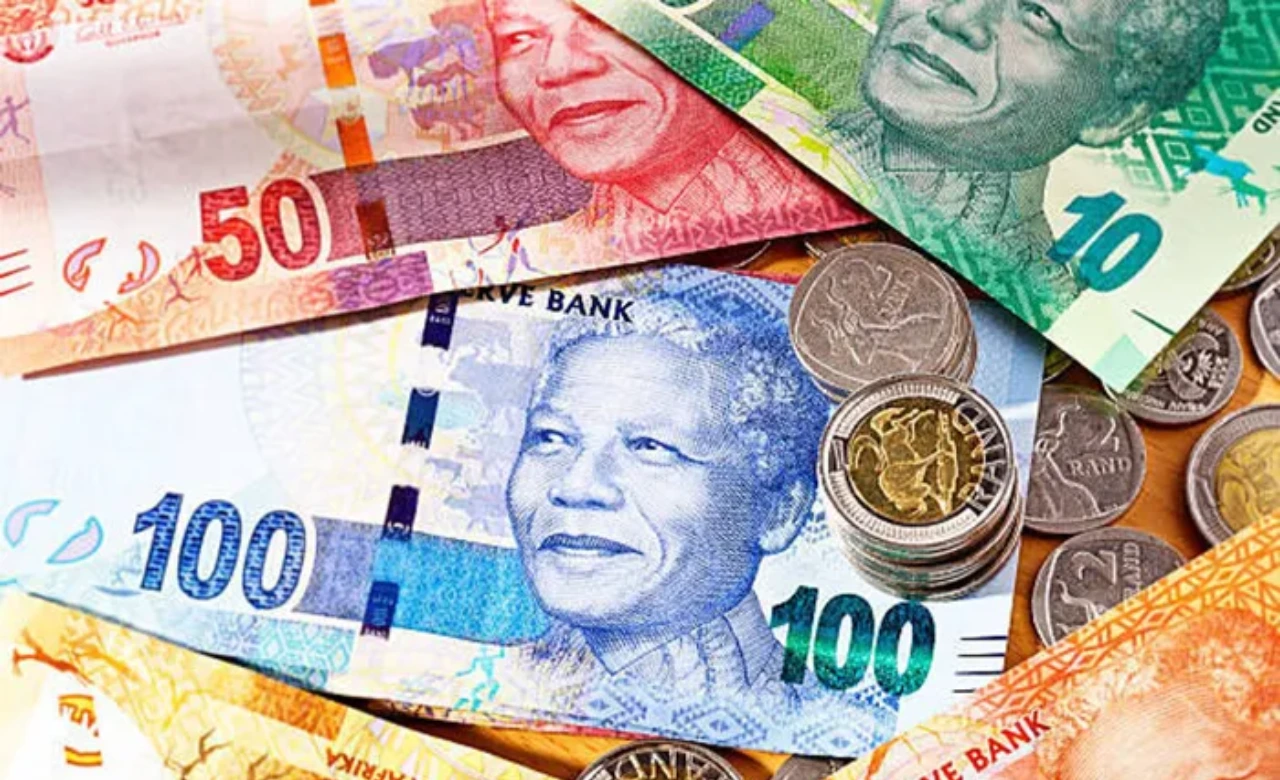
South Africans who earn good salaries are facing a serious money problem. People making more than R35,000 each month are now spending 85% of their income just to pay back debt. This shocking finding comes from a new report that shows even those with higher paychecks are drowning in financial troubles.
The problem is not easy to understand at first glance. Many people think that earning more money means having fewer money worries. But the reality tells a different story. High earners are taking on record amounts of debt, especially loans that are not backed by any property or assets. Their debt has grown by 75% compared to what it was in 2016. This increase is much faster than both inflation and wage growth during the same period.
The average person seeking debt help now uses 71% of their monthly salary just to service their loans. This leaves very little money for basic needs like food, transport, and other daily expenses. The situation has become so bad that it is affecting people across all income levels. But those earning more are hit particularly hard because they often have bigger commitments like home loans and car payments.
What makes this crisis even harder to manage is that the cost of living has gone up dramatically over the past ten years. Electricity bills have jumped by 165%. Petrol prices have risen by 74%. Overall inflation has increased by 49%. Meanwhile, income growth has barely moved. In fact, when you account for inflation, people are now earning 47% less in real terms than they did a decade ago.
The report shows that 96% of people who applied for debt counselling in late 2025 had a personal loan. Another 59% had taken out a one-month payday loan. These short-term loans often come with very high interest rates. The average interest rate for unsecured debt stands at 21.9%, which makes it extremely difficult to pay off the borrowed amount.
High earners face a debt-to-income ratio of 210%, which is the highest ever recorded. This means they owe more than twice what they earn in a year. The simple truth is that many families cannot keep up anymore. They are borrowing money just to pay for their monthly expenses. When the next month comes, they borrow again. This cycle becomes harder and harder to break.
Gambling has also emerged as a hidden factor making things worse. Many people are spending money on online betting apps, especially around payday. What starts as small amounts can quickly grow into larger sums that put additional pressure on already tight budgets. This money could have been used for essential needs or paying down existing debt.
The age of people seeking debt help has also changed. The average age is now 40 years old. Even more concerning is that 31% of those seeking help are aged 45 or older, compared to just 20% in 2016. This shows that financial stress is shifting toward older people who may have more responsibilities and fewer years to recover financially.
Debt counselling services have become an important lifeline for many. Through this process, unsecured debt interest rates can be reduced to about 2.6% per year. Vehicle finance can also be renegotiated to more manageable levels. The benefits are simple but powerful. Lower interest rates mean more of each payment goes toward reducing the actual debt instead of just covering interest charges.
In 2025, people who went through debt counselling paid back R5.3 billion to their creditors. This money flows back into the economy and helps both borrowers and lenders. More than 717,000 South Africans are currently enrolled in debt review programs, repaying R1.25 billion every month. The number of people who have successfully completed debt counselling has grown eleven times since 2016.
What can someone do if they are in this situation? The first step is to face the problem early. If debt payments feel overwhelming or if you are borrowing money to pay off existing loans, it is time to seek help. Getting a free credit report is an easy way to see exactly where you stand. This simple action can prevent things from getting worse.
Regulators are also taking steps to address some of the underlying problems. The National Gambling Board is working to tighten advertising rules for betting companies. They want to restrict when gambling ads can be shown and limit marketing that targets young people or downplays the risks. Enforcement against illegal gambling platforms is also being strengthened.
Despite some economic improvements in 2025, including interest rate cuts and lower inflation, the long-term damage from rising costs has left consumers with very little room to recover. The purchasing power of South Africans has been cut nearly in half over the past decade. Even though people might feel slightly more positive about the economy, their actual financial situation tells a different story.
The debt crisis shows no signs of slowing down. Total household debt in the country has reached R2.56 trillion. While more people are managing to keep their loans current, the total amount owed keeps growing. Every household, on average, carries about R43,000 in debt per person when you divide the total by the entire population.
For high earners specifically, the situation demands immediate attention. Having a good salary is no longer enough to guarantee financial stability. Without careful planning and possibly professional help through debt counselling, even those with comfortable incomes can find themselves trapped in a cycle of borrowing and repayment that becomes impossible to break.
The message is clear and simple. If you are struggling with debt, you are not alone. Millions of South Africans are in the same position. The good news is that help is available, and many people have successfully worked their way out of debt. The key is to act early before the problem becomes too big to manage. Taking that first simple step toward getting help could make all the difference in rebuilding financial stability.