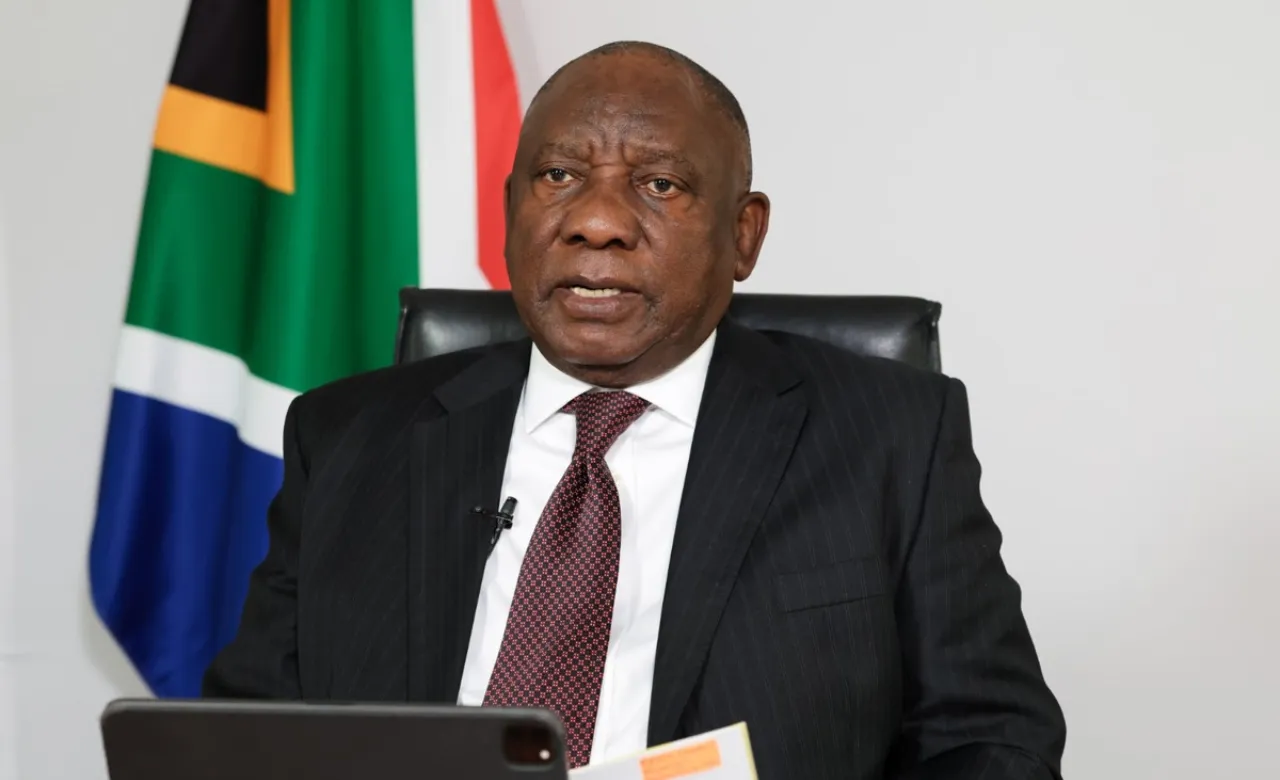

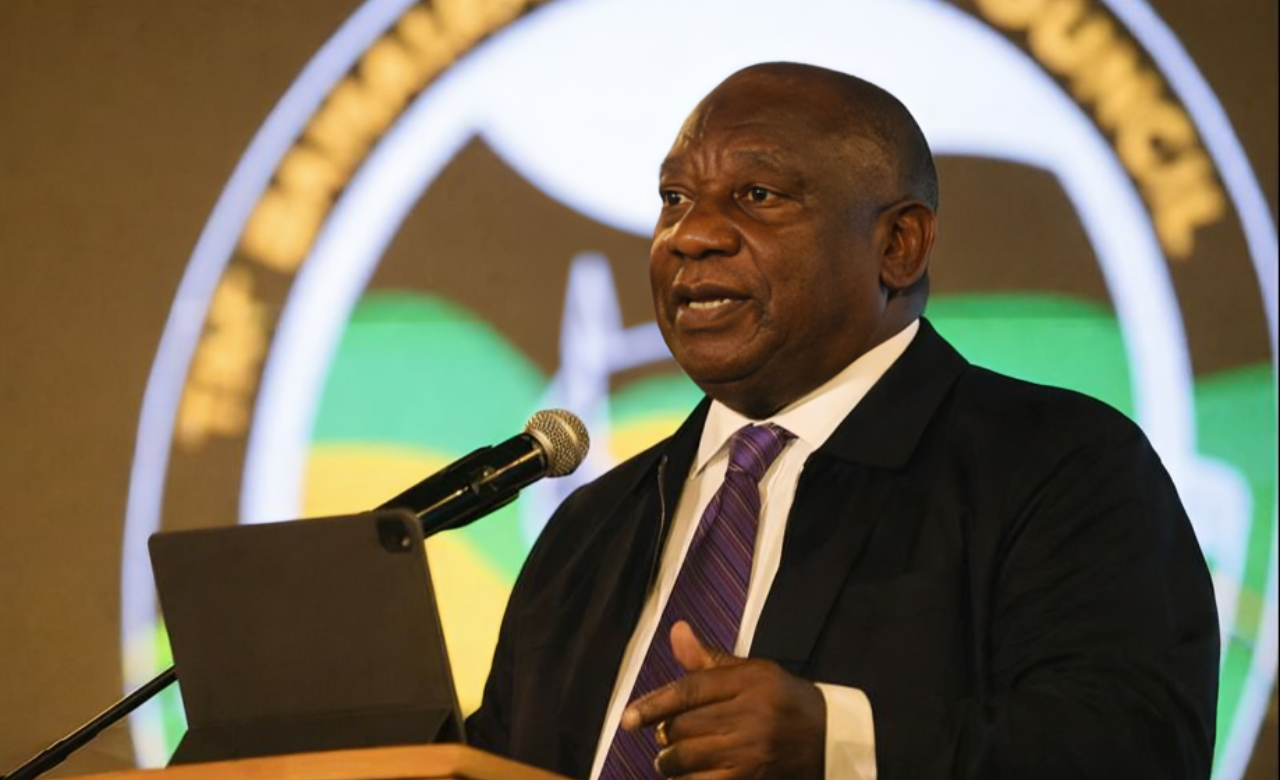
South Africa’s Parliament is in the middle of a big debate right now. The question is simple. Should President Cyril Ramaphosa appear in person before a special committee? Or should he just answer questions in writing? This is not an easy decision for the Members of Parliament. The topic has caused a lot of disagreement among MPs. Here is everything you need to know about what is happening and why it matters.
What Is the Mkhwanazi Committee?
Parliament set up a special group called the Ad Hoc Committee. This committee was created to look into serious claims made by Lieutenant General Nhlanhla Mkhwanazi. He is the head of the South African Police Service (SAPS) in KwaZulu-Natal province.
Mkhwanazi made simple but shocking claims. He said there was political interference in the police. He also pointed out corruption within the system. These are not easy things to ignore. That is why Parliament decided to investigate.
The committee has a deadline. It must finish all its work by 20 February 2026. Time is running out fast.
Why Is Ramaphosa’s Name Involved?
The President’s name came up during the hearings in a big way. National Police Commissioner General Fannie Masemola told the committee that President Ramaphosa knew about the disbandment of the Political Killings Task Team. Police Minister Senzo Mchunu also confirmed that he had the President’s approval to go ahead with the disbandment.
Because of this, many MPs feel it is not easy to move forward without hearing from the President directly. They want him to explain what he knew and when he knew it.
The Big Debate: In Person or in Writing?
On Monday, 2 February 2026, the committee held a virtual meeting. The main topic was simple but important. Should President Ramaphosa come and sit before the committee? Or is it enough for him to answer written questions?
MPs were divided on this issue. Some wanted the President to appear face to face. They felt it was the only easy way to get honest and clear answers. Others said written answers would be enough and easier to manage.
In the end, the committee voted. The decision was that the President does not have to appear in person. He can respond to written questions instead.
Who Was Not Happy?
Not everyone agreed with this decision. The Economic Freedom Fighters (EFF) and the uMkhonto weSizwe (MK) Party were not happy at all. They felt that the President was being given special and easy treatment. Other witnesses had to appear in person. Why should the President be different? They raised this simple but valid point.
What Happens Next?
The committee’s legal team will now put together a list of questions for the President. It is not an easy task. The questions need to be clear and focused. MPs from all parties will also add their own questions to this list.
Before the questions are sent to the President, the legal team will review them. They will make sure the questions are fair and cover everything the committee needs to know. The committee chairperson, Soviet Lekganyane, made one simple but important point. If the President’s written answers are not good enough, the committee still has the right to take further action.
No deadline has been set yet for how long the President has to send back his answers.
Other Witnesses Still to Come
The committee is not done with other witnesses either. Former Acting Police Commissioner Khomotso Phahlane is set to return to answer more questions. SAPS officer Samuel Ramalepe and two other officers are also due to appear. MPs Diane Kohler Barnard and Fadiel Adams will also face tough questions from the committee soon.
Why Should You Care?
This is not just a simple political story. It touches on how the police in South Africa are run. It raises serious but easy to understand questions about who controls the police and how decisions are made at the top. For every South African, knowing the truth is not just important — it is essential.
The coming days will be full of important developments. Keep an eye on this story.