

Scientists have found a treasure chest of new discoveries hiding in old telescope records. They created a smart computer program to look through forgotten data and found over 200,000 new signals from space. This breakthrough shows that valuable information has been sitting in storage for years, waiting to be discovered.
Astronomers around the world have been collecting information about space for many decades. They use powerful telescopes to watch stars, planets, and other objects in the universe. However, much of this collected data has never been fully studied. Think of it like having thousands of photos on your phone that you have never looked through. These old records contain secrets that scientists are only now beginning to uncover.
A team led by Cyril Tasse from the Paris Observatory decided to dig into this forgotten information. They focused on data from radio telescopes, which are giant dish-shaped instruments that detect radio waves from space. These telescopes watch specific events like exploding stars or black holes. But while they do this, they also pick up signals from hundreds of other stars in the background. Scientists usually ignore these background signals because they are focused on their main target. The background data gets stored away and often forgotten.
The problem is that checking all this background information takes a huge amount of time. The team found that it would take 180 years of work to manually go through just 1.4 years of data from one radio telescope called LoFAR in Europe. That is simply too much work for humans to handle alone.
This is where the new technology comes in. The researchers developed a computer system with an easy-to-remember name: RIMS. This program can automatically scan through massive amounts of old data much faster than any human could. Instead of fishing with one rod and catching one fish at a time, RIMS works like casting a giant net that catches many fish at once. This simple approach allowed them to find signals that would have stayed hidden for many more years.
The results were amazing. In just 1.4 years of telescope data, they discovered over 200,000 new radio signals. Most of these signals came from solar flares, which are powerful bursts of energy from stars. But some signals showed something even more interesting. They found evidence of planets interacting with their star’s magnetic field. This interaction creates radio waves that travel across space to reach our telescopes on Earth.
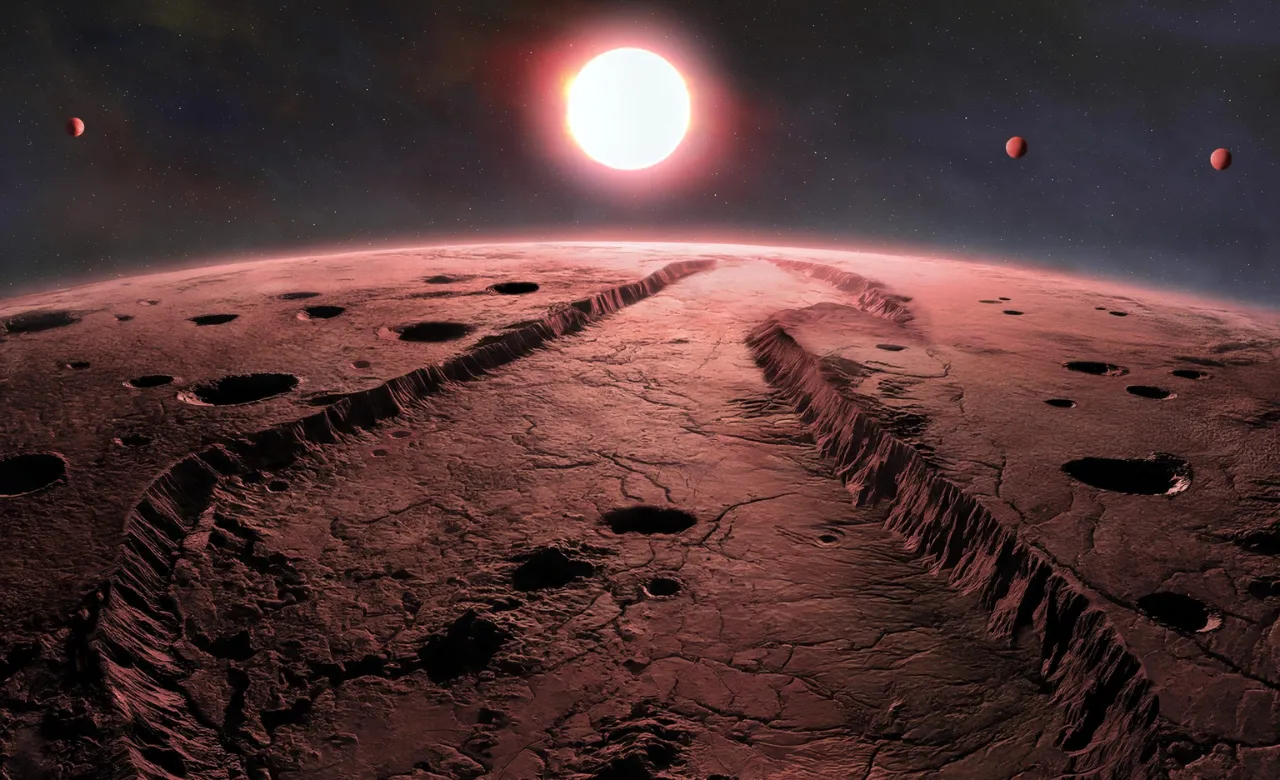
One particular system caught the researchers’ attention. A planet about the size of Neptune orbits a star called GJ 687. This planet has its own magnetic field that crashes into the star’s magnetic field. The collision creates radio waves similar to the beautiful auroras we see in Earth’s sky, but much more powerful.
This discovery is important for several reasons. Magnetic fields around planets might be necessary for life to develop. Earth’s magnetic field protects us from dangerous radiation from the Sun. By finding planets with magnetic fields, scientists can identify worlds that might be able to support life. The new computer program makes it easy to search for these planets in old data.
The research team has only scratched the surface. They looked at 1.4 years of data from one telescope. There are many more telescopes around the world, and decades worth of stored information. If RIMS found 200,000 signals in such a small amount of data, there could be millions more discoveries waiting in archives worldwide.
This work shows that sometimes the best discoveries do not require building new expensive equipment. Sometimes we just need better ways to look at what we already have. Old data is not useless data. With the right tools and a simple new approach, forgotten information can reveal secrets about our universe that we never knew existed.
The future looks bright for this kind of research. Scientists can now apply RIMS to data from many different radio telescopes. Each archive they search could reveal new planets, stars, and cosmic events. What other surprises are hiding in storage? Only time will tell, but this discovery proves that looking backward can help us see forward into the mysteries of space.