
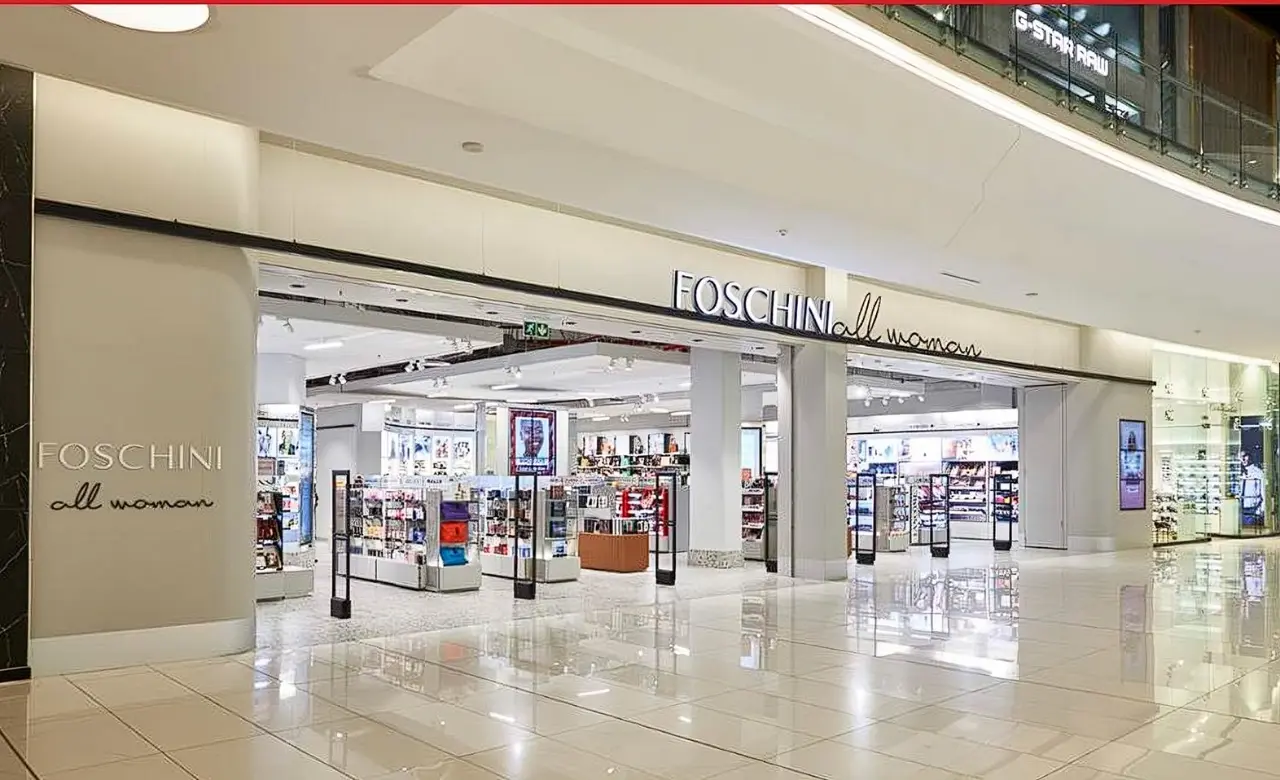
TFG, the company that owns popular clothing store Foschini, is facing serious financial challenges. The retail giant has announced a massive R750 million impairment loss. This hit comes from poor performance in their stores located in the United Kingdom and Australia. The news shows how difficult international expansion can be, even for successful companies.
Understanding what an impairment means is actually quite simple. When a company owns assets like stores or brands, those assets have a certain value on paper. Sometimes these assets don’t perform as well as expected. When this happens, the company must reduce their recorded value. This reduction is called an impairment. In easy terms, TFG is admitting that some of their overseas investments are worth less than they thought.
TFG operates many well-known retail brands in South Africa. Besides Foschini, they own Markham, Exact, Totalsports, and several other popular stores. The company decided to expand beyond South African borders years ago. They opened stores in the UK and Australia, hoping to grow their business internationally. Unfortunately, those overseas markets have proven much harder to crack than expected.
The R750 million loss is significant for any business. This amount represents money that won’t come back to shareholders or get reinvested in new stores. It affects the company’s overall financial health. Investors often react negatively to such news because it signals problems with the business strategy.
Several factors have contributed to TFG’s struggles abroad. The retail environment in both the UK and Australia is extremely competitive. These markets already have many established clothing retailers. Customers there have strong loyalty to existing brands. Breaking into such markets requires huge marketing budgets and competitive pricing. Local competitors know their customers well and can respond quickly to trends.
Economic conditions in these countries have also made trading difficult. The UK has faced inflation and cost of living pressures. Australian consumers have become more cautious with their spending. When people worry about money, they often cut back on clothing purchases first. They focus on essentials instead. This simple shift in consumer behavior hits fashion retailers hard.
Online shopping has changed retail dramatically worldwide. Customers can now compare prices easily across dozens of stores. They can shop from international websites without leaving home. Physical stores face pressure from online competitors who have lower costs. TFG’s international stores must compete both with local shops and global online retailers.
The currency situation adds another layer of difficulty. When TFG brings profits back from the UK or Australia to South Africa, exchange rates matter greatly. If the rand is strong, profits earned overseas are worth less when converted. Currency fluctuations can turn a profitable store into a losing proposition quickly.
Despite these overseas challenges, TFG’s South African operations remain strong. The company still dominates many segments of the local retail market. Their stores continue attracting customers across the country. This solid home base provides stability while they figure out their international strategy.
The company now faces important decisions about their overseas presence. They must decide whether to keep investing in these struggling markets or cut their losses. Some retailers choose to exit difficult markets entirely. Others double down and invest more to turn things around. Each option carries risks and potential rewards.
For employees working in TFG’s UK and Australian stores, this news creates uncertainty. Job security becomes a concern when stores aren’t performing well. Management must balance business needs with their responsibility to workers.
TFG’s experience offers lessons for other South African companies eyeing international expansion. Success at home doesn’t guarantee success abroad. Different markets require different approaches. What works in Johannesburg might fail completely in London or Sydney. Companies need deep pockets and patience when expanding internationally.
The retail sector worldwide continues evolving rapidly. Companies must adapt constantly to survive. TFG’s R750 million impairment serves as a reminder that international business carries substantial risks alongside potential rewards.