

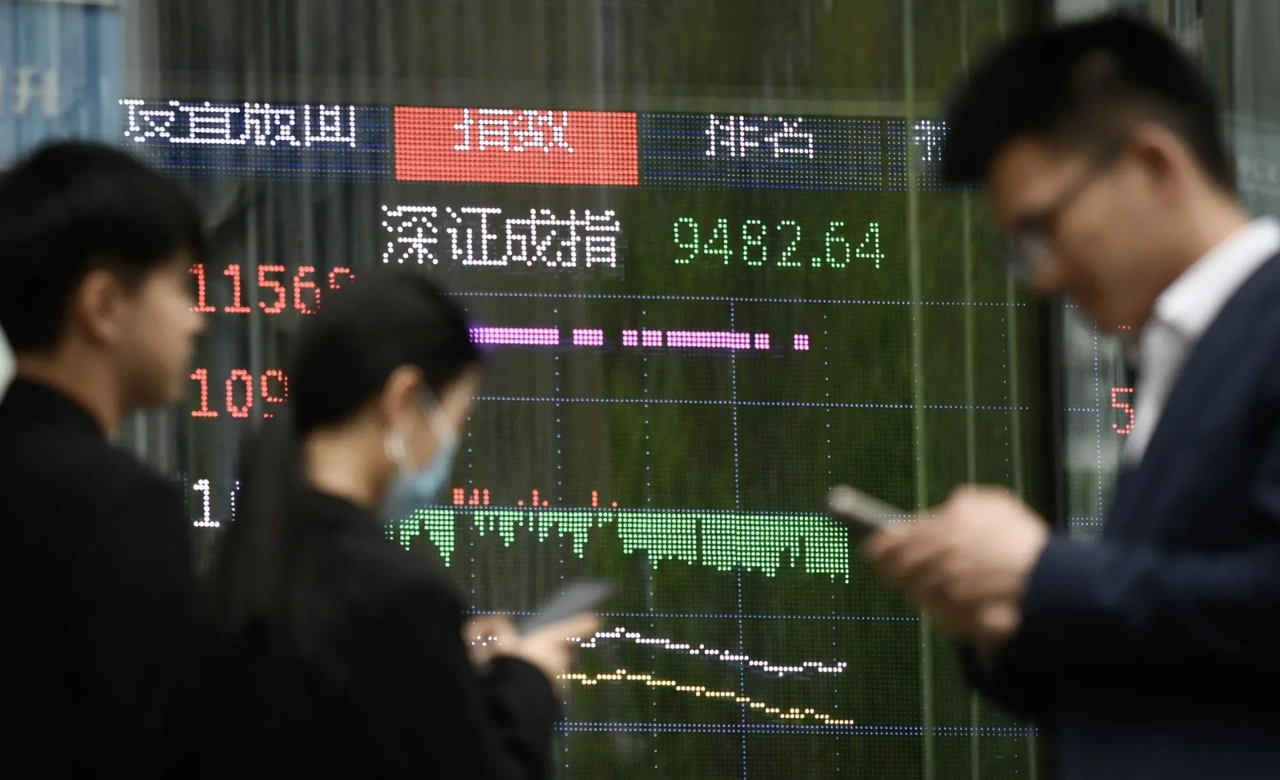
Chinese technology stocks have fallen sharply in recent days. The drop marks a major reversal from the strong gains investors enjoyed last year. The Hang Seng Tech Index, which tracks major Chinese tech companies, has now entered bear market territory. This means the index has fallen more than 20% from its peak in October.
The selloff has been brutal and relentless. For six straight trading sessions, the index has declined. Major companies like Tencent, Alibaba, Baidu, and Kuaishou Technology have all seen their share prices drop significantly. Investors are rushing to sell their holdings, creating a wave of panic in the market.
The main reason behind this sudden collapse is simple yet powerful. Investors are worried about potential tax increases from the Chinese government. Recent reports suggest that Beijing may raise value-added tax on internet service companies. This fear grew stronger after the government already increased taxes on telecommunication firms.
Market participants believe internet platforms could be the next target for higher taxes. Nobody knows for certain if these tax increases will happen. However, the mere possibility has been enough to trigger massive selling. When investors get scared, they often sell first and ask questions later.
The timing could not be worse for Chinese tech stocks. The selloff comes after these companies enjoyed a strong rally throughout 2025. Prices rose to high levels, making the stocks expensive by traditional measures. When stocks become too expensive, any negative news can cause sharp drops. This is exactly what happened here.
Daniel So, a senior trading strategist at Goldhorse Capital Management, explained the situation clearly. He said investors have become more sensitive to any negative worries. Chinese stocks are no longer cheap after last year’s strong rally. This makes it easy for bad news to cause panic selling.
The Chinese government is facing serious financial pressure. Official data shows the country ran a record budget deficit last year. Spending on social welfare programs grew at the fastest pace since 2017. The government needs more money to fund its operations and programs. This explains why authorities might consider raising taxes on profitable tech companies.
However, tax worries are not the only problem weighing on Chinese tech stocks. Global concerns about artificial intelligence are also playing a major role. Investors worldwide are questioning whether AI companies can justify their high valuations and massive spending plans. This doubt has affected tech stocks everywhere, not just in China.
The global tech selloff started on Wall Street and spread to Asia. Major US tech companies like Alphabet, Qualcomm, and Arm Holdings all fell after reporting earnings that disappointed investors. This created a ripple effect across world markets. When American tech stocks fall, Asian tech stocks usually follow.
Software companies have been particularly hard hit. Investors worry that rapid advances in artificial intelligence will make traditional software obsolete. New AI tools can automate tasks that expensive enterprise software used to handle. This threatens the business models of many established companies.
The situation in China has some unique challenges. Chinese tech giants are engaged in an intense price war. Companies are spending huge amounts on promotional campaigns to attract users. Tencent recently handed out cash through digital red packets to drive traffic toward its AI app. Other companies have launched similar campaigns. This competition is eating into profit margins.
Electric vehicle makers are also struggling. Companies like Nio, XPeng, and Li Auto have seen their stock prices plunge. Nio’s stock fell more than 20% in just 30 days. These companies face fierce competition and a difficult pricing environment. Their profit margins are shrinking while losses continue to mount.
The broader Hang Seng Index has also declined, though not as severely as the tech-focused index. At midday trading on Thursday, the main index fell to 26,724 points. This represents a significant drop from recent highs. Other Asian markets also struggled, with South Korea’s Kospi Index falling 2.8%.
Not all stocks are suffering. Some companies in different sectors have held up better. Logistics firm ZTO Express rose 2.7%. Power tools producer Techtronic Industries jumped 5.1%. Home appliance maker Midea Group added 1.7%. These gains show that investors are rotating money out of tech stocks and into other sectors.
After Tuesday’s market close, state-backed Xinhua News Agency tried to calm fears. The news agency dismissed speculation about potential taxes on the gaming industry. However, this reassurance did little to stop the selling pressure. The index continued falling in subsequent trading sessions.
Market analysts say the technical picture looks worrying. The index has broken below key support levels. The 20% decline from the October peak officially qualifies as a bear market. In bear markets, investors tend to treat any price bounce as an opportunity to sell rather than buy. This creates a negative feedback loop that is hard to break.
Phelix Lee, a senior equity analyst at Morningstar, described the situation simply. He said it feels like a barrage of negative news globally. When bad news comes from multiple directions at once, markets can fall sharply and quickly.
Looking ahead, several factors will determine what happens next. First, investors will watch closely for any official announcement about tax policy changes. Any confirmation of tax increases would likely trigger more selling. However, if the government denies these plans, stocks might recover somewhat.
Second, expectations for government stimulus measures will be important. Chinese authorities have tools to support the economy and markets. They can cut interest rates, reduce bank reserve requirements, or announce spending programs. Any positive news on this front could help stabilize sentiment.
Third, corporate earnings reports will matter. If companies report strong profits despite the challenging environment, investor confidence might improve. However, weak earnings would confirm fears and push prices even lower.
The situation illustrates how quickly market sentiment can change. Just a few months ago, investors were optimistic about Chinese tech stocks. The rally seemed unstoppable. Now that optimism has turned to fear. The reversal happened with surprising speed and force.
For average investors, this volatility creates both risks and potential opportunities. Bear markets can be painful, but they also create chances to buy quality companies at lower prices. The key is understanding whether current problems are temporary or represent fundamental changes to business prospects.