
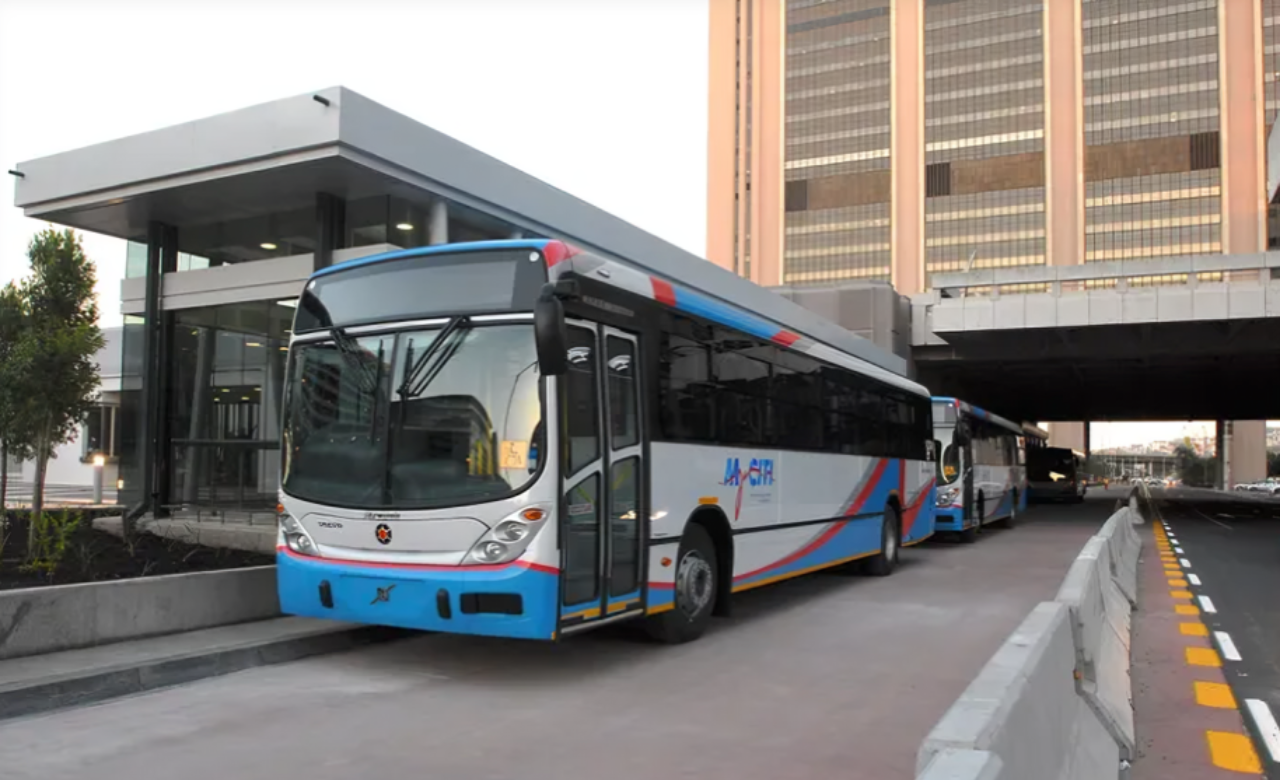
Cape Town is about to take a big step toward cleaner public transport. The city is planning to add electric buses to its MyCiTi fleet. This is not just talk. The wheels are already in motion. In partnership with the University of Cape Town, the city will conduct research over the next several months to see how electric buses work in real-world conditions. The project is part of a larger plan to reduce carbon emissions and improve urban mobility. For a city that has long struggled with traffic congestion and pollution, this is welcome news.
The City of Cape Town’s Urban Mobility Directorate is leading this initiative. They have received approval from the Mayoral Committee to sign an agreement with the eBRT2030 Consortium. This consortium is the implementing agent for the Urban Electric Mobility Initiative, also known as UEMI. The project will be funded by a EUR90,000 grant from UEMI. The city is also adding its own money to make sure everything runs smoothly. Together, these funds will be used to test how electric buses can improve public transport services along the metro-south east corridor. The planned rollout is set for the 2027/28 financial year.
The research phase is expected to last until at least December 2026. It could even extend to June 2027 if more time is needed. During this period, up to four 12-metre electric buses will be deployed on various existing MyCiTi routes around Cape Town. The first bus is expected to arrive in the first quarter of the upcoming financial year. Once the buses are on the road, the city will study their performance for about 12 months. This is not a simple test. It will involve looking at many different factors to see if electric buses are a good fit for Cape Town.
The research will focus on several key performance metrics. One of the most important questions is how long the battery lasts after charging. The city also wants to know how passenger volumes affect battery life. Different routes have different challenges. Some routes are flat and easy on the battery. Others have hills that drain power faster. Weather conditions also play a role. Cape Town’s climate can be unpredictable. The research will look at how temperature and other climatic factors affect battery discharge capabilities. Another important metric is charging duration. How long does it take to fully charge a bus? Can the city keep buses running without long delays at charging stations?
Cost savings are another major focus. In several countries where electric buses have been introduced, maintenance and operational costs have dropped by as much as 70 percent. That is a huge saving. If Cape Town can achieve similar results, it will make a big difference to the city’s transport budget. Electric buses have fewer moving parts than diesel buses. This means less wear and tear. It also means fewer breakdowns and lower repair costs. But the city needs to confirm that these savings will apply in a local context.
Rob Quintas, the Mayoral Committee Member for Urban Mobility, spoke about the importance of this research. He said the information gathered will help the city plan better. It will also prepare the city for the logistics and other needs that come with electric buses. This includes training bus drivers, understanding maintenance requirements, managing passenger loads, and setting up fault reporting systems. These are not easy tasks, but they are necessary if the city wants the transition to go smoothly.
UCT is playing a key role in this project. The university will lead the feasibility study and research components. They will also handle additional monitoring and evaluation. This partnership allows the city to benefit from academic expertise. UCT researchers will analyze the data and provide recommendations. The city can then apply these findings when planning the full rollout of electric buses.
The rollout is scheduled to begin on July 1, 2027. Electric buses will operate between major areas including Mitchells Plain, Khayelitsha, Wynberg, and Claremont. They will also provide vital connectivity to the Cape Town Central Business District. These routes are heavily used. If the electric buses perform well, they could eventually replace diesel buses across the entire MyCiTi network.
This project represents a simple but powerful idea. Public transport can be cleaner, quieter, and cheaper to run. Cape Town is taking the first steps toward making that idea a reality. For commuters, the benefits will be immediate. Electric buses are quieter and more comfortable. For the environment, the long-term impact could be significant. Cleaner air. Lower emissions. A healthier city for everyone. The road to a greener Cape Town starts here.