
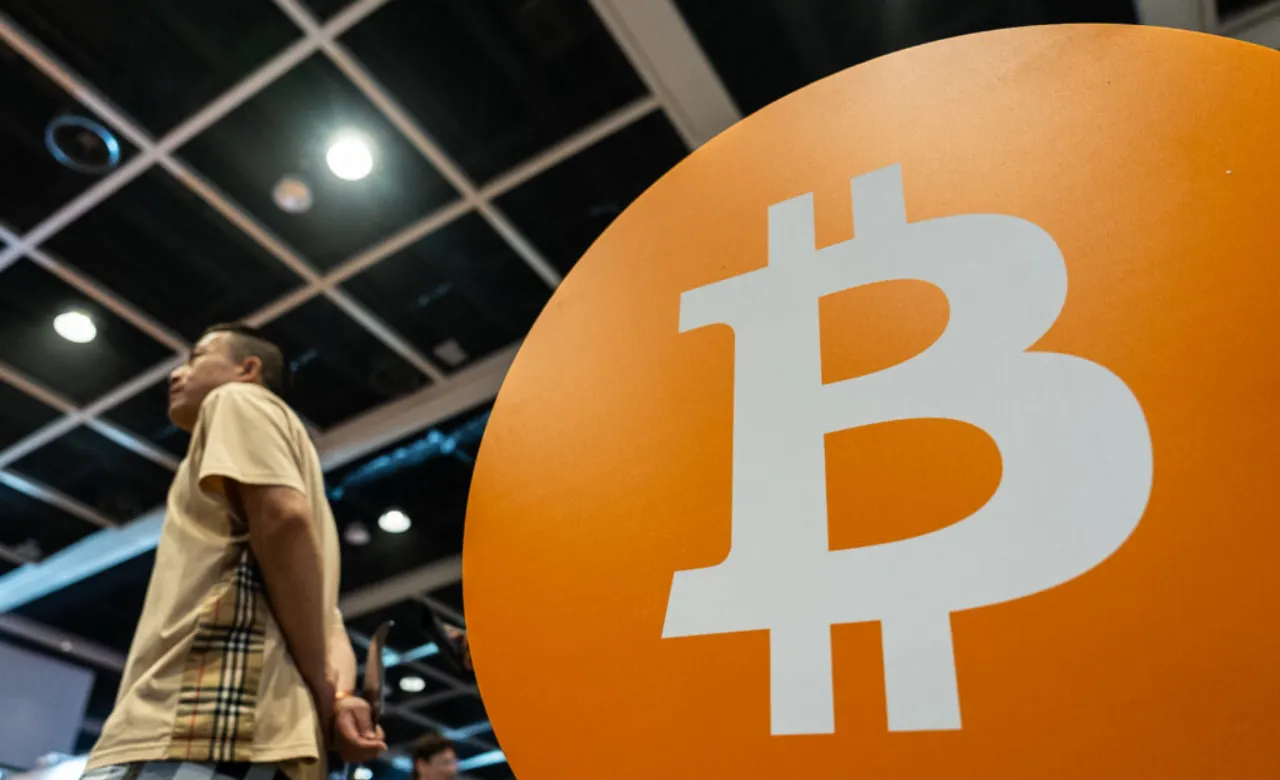
Bitcoin has fallen to its lowest level in more than a year, dropping below $72,000 and leaving many investors worried. The world’s largest cryptocurrency is facing what experts call a crisis of faith. People who once believed Bitcoin was a safe place to store money are now questioning that idea. The drop represents a massive loss for anyone who bought Bitcoin at higher prices.
On Wednesday, Bitcoin fell as low as $71,540 during trading in Asia. This is the weakest Bitcoin has been since November 6, 2024. That was the day after Donald Trump won the presidential election. Since reaching its peak in October 2025, Bitcoin has lost more than 42 percent of its value. This kind of drop is not easy for investors to watch, especially those who put their savings into the digital currency hoping for big returns.
The decline happened alongside a broader selloff in global markets. Risk assets across the world took a hit as investors pulled their money out of anything that seemed dangerous. The tech-heavy Nasdaq 100 index dropped more than 2 percent on the same day. Software and chip companies, which are particularly sensitive to changing interest rates, faced heavy pressure. Bitcoin moved right along with these traditional investments, falling at the same time.
This connection between Bitcoin and traditional markets is causing many people to rethink what Bitcoin actually is. For years, supporters promoted Bitcoin as a safe haven asset. They said it would protect investors during times of market trouble. The current situation tells a different story. Bitcoin is acting more like a risky technology stock than a safe store of value. This simple fact is hard for many believers to accept.
Market experts are using strong language to describe what’s happening. Shiliang Tang, who manages investments at Monarq Asset Management, said the market is experiencing a crisis of faith. Andrew Tu, who works at Efficient Frontier, said cryptocurrency market sentiment has reached a state of extreme fear. These are not words people want to hear when they have money invested in Bitcoin.
The psychology of the market has shifted dramatically. Investors are no longer confident about Bitcoin’s long-term story or its short-term price movements. What makes this drop particularly concerning is that it’s not just caused by problems inside the cryptocurrency market. Previous declines often happened because of specific issues with crypto trading or exchanges. This time, the pressure is coming from outside forces affecting all types of investments.
Traders are closely watching the $72,000 price level as a critical point. If Bitcoin cannot stay above this number, experts warn it could fall even further. Some analysts believe it might drop to $68,000 or lower. According to prediction markets, there is an 83 percent chance Bitcoin will fall to $65,000 sometime this year. Even more worrying, there is about a 59 percent chance it could drop below $55,000. These numbers show just how pessimistic some traders have become.
The technical damage to Bitcoin is significant. Breaking below $72,000 represents an important psychological barrier for investors. Price charts show Bitcoin has given back all the gains it made after Trump’s election victory. That was supposed to be a positive turning point for cryptocurrency. The Trump administration was expected to be friendly toward digital assets. Despite these expectations, Bitcoin has fallen sharply.
Money flowing in and out of Bitcoin investment funds tells an interesting story. US spot Bitcoin exchange-traded funds saw some money coming in recently. However, these inflows quickly reversed and turned into outflows. This means investors were briefly optimistic but changed their minds fast. The lack of stable money coming into the market makes it hard for Bitcoin’s price to recover.
Global economic conditions are creating headwinds for risky assets like Bitcoin. Concerns about inflation, interest rates, and economic growth are making investors nervous. When people get scared about the economy, they typically sell their most speculative investments first. Bitcoin falls into that category for many investors. Even though it has been around for more than a decade, it is still considered experimental by mainstream financial standards.
The current situation is testing Bitcoin’s reputation as digital gold. Gold traditionally holds its value or even increases during times of market stress. Bitcoin was supposed to work the same way, according to its supporters. The recent price action suggests that comparison may not be accurate. Bitcoin is proving to be much more volatile and connected to other markets than gold ever was.
Some cryptocurrency enthusiasts remain hopeful despite the drop. They argue that Bitcoin has survived many crashes before and always recovered. Long-term believers point out that Bitcoin is still worth far more than it was five or ten years ago. They encourage investors to think about the big picture rather than getting upset about short-term price movements. This perspective is easier to maintain when you bought Bitcoin years ago at much lower prices.
Regulatory uncertainty continues to hang over the cryptocurrency market. While some countries are embracing digital assets, others remain skeptical or hostile. This lack of clarity makes it difficult for institutional investors to commit large amounts of money to Bitcoin. Until there are clear rules that everyone agrees on, Bitcoin will struggle to gain mainstream acceptance as a serious investment.
The correlation between Bitcoin and technology stocks is particularly troubling for cryptocurrency supporters. When the Nasdaq falls, Bitcoin tends to fall too. This pattern destroys the argument that Bitcoin is independent from traditional financial markets. If Bitcoin just moves in sync with tech stocks, why should investors bother with it? They could simply buy technology company shares instead and avoid the extra complications of dealing with cryptocurrency.
Looking ahead, the path forward for Bitcoin remains uncertain. Market participants are divided about what comes next. Bears believe more pain is ahead and prices will continue falling. Bulls think this is a temporary setback and buying opportunity. The simple truth is that nobody knows for certain which direction Bitcoin will move. This uncertainty itself is enough to keep many potential investors on the sidelines.
For ordinary people considering Bitcoin, the current environment presents difficult choices. Buying now could mean catching a falling knife if prices continue to drop. Waiting could mean missing out if Bitcoin suddenly rebounds. Making investment decisions in such volatile conditions is never easy and requires careful thought about personal risk tolerance.
The crisis of faith in Bitcoin reflects broader questions about cryptocurrency’s place in the modern financial system. After years of hype and promises, digital currencies are being tested in real market conditions. Whether Bitcoin can prove its worth during this challenging period will determine its future role in investment portfolios around the world.