

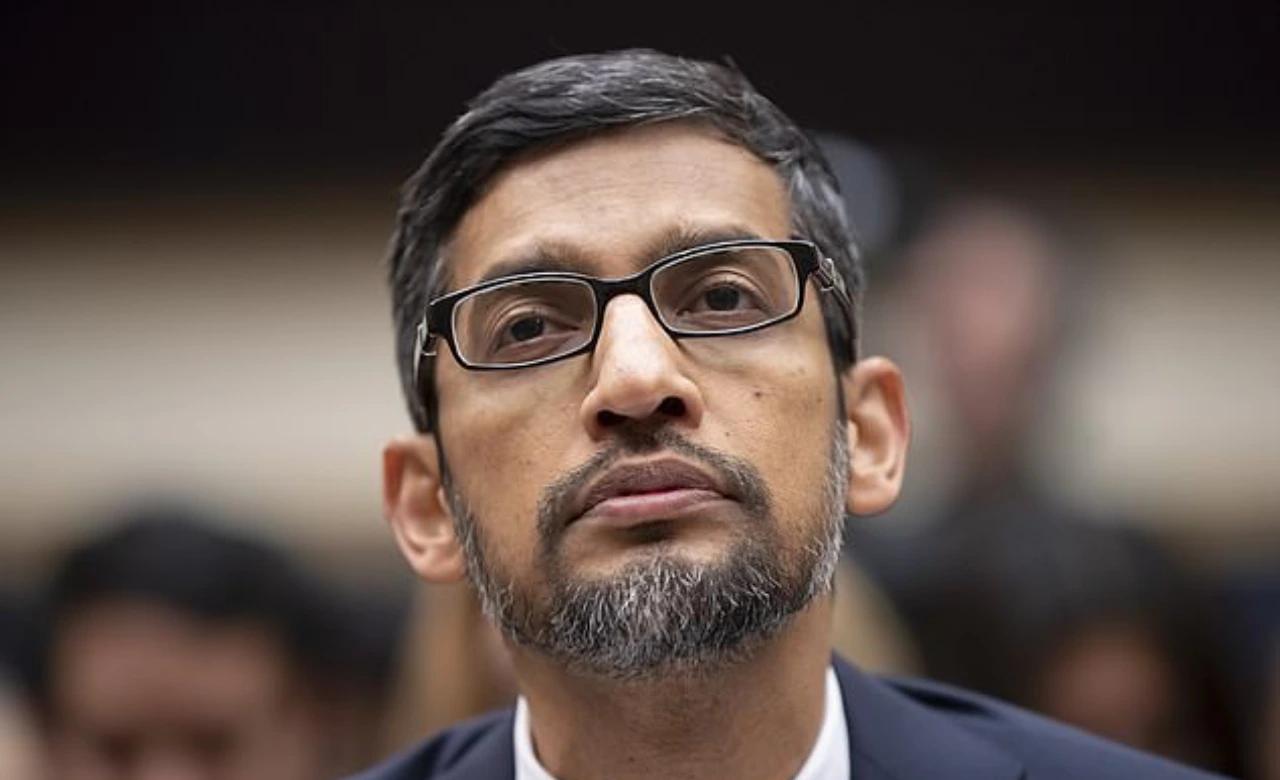
Alphabet, the company that owns Google, just announced plans to spend a record-breaking amount of money on artificial intelligence. The tech giant will invest between $175 billion to $185 billion in 2026. That’s almost double what it spent last year. However, CEO Sundar Pichai admits he’s worried this massive investment might still fall short of what’s needed.
The company revealed these numbers during its earnings call on Wednesday. In 2025, Alphabet spent $91.4 billion on AI infrastructure. This new spending plan could potentially double that amount. Just in the last three months of 2025, the company invested $27.9 billion. These investments go toward building data centers, buying servers, and creating the technology backbone needed to power AI systems.
Pichai explained that Google is in a fierce competition with other tech companies. Firms like Microsoft, Meta, and OpenAI are all racing to lead the AI revolution. Each company is pouring billions into research and development. The competition shifts every few months as new breakthroughs happen. To stay ahead, Alphabet needs to maintain what Pichai calls a “relentless innovation cadence.”
When asked what keeps him up at night, Pichai gave an honest answer. His biggest concern right now is about compute capacity. This is the raw computing power needed to run AI systems. The CEO pointed out several problems the company faces. There aren’t enough power supplies. Finding land for new data centers is difficult. Supply chains are stretched thin. Getting enough computer chips is a challenge.
“I do expect to go through the year in a supply constrained way,” Pichai told investors. This means even with all the money Alphabet is spending, they still won’t have enough resources to meet demand. The company will struggle to get the materials and infrastructure it needs throughout 2026.
Despite these concerns, the stock market had a mixed reaction. Alphabet’s shares initially dropped more than 6% after the announcement. Then they rose over 2% during the earnings call. By the end, they settled slightly down at 0.4%. Investors seemed uncertain whether this massive spending would pay off.
The good news is that Alphabet had a strong year overall. The company made over $400 billion in revenue for the first time ever. Its profit grew 15% to reach $132.2 billion. YouTube alone brought in more than $60 billion. Google’s cloud storage service and YouTube Premium helped the company reach 325 million total subscriptions.
Company leaders say the AI investments are already showing results. People are using Google’s AI search features more than traditional search. They’re spending more time on Google’s websites. Business customers are adopting Google Cloud’s AI tools. The demand for these services is growing rapidly.
About 60% of the money goes to buying servers. The remaining 40% pays for data centers and networking equipment. These investments support Google’s AI research lab called DeepMind. They also help improve search results and advertising. The company’s cloud business is seeing particularly strong demand, with future orders reaching $240 billion.
Last month brought more big news. Google and Apple announced they would work together. Apple will use Google’s AI technology to power Siri and other services. Since Apple has 2.5 billion devices worldwide, this partnership could be huge for Google’s Gemini AI system.
Alphabet also celebrated another win. Its self-driving car company Waymo raised $16 billion. The investment valued Waymo at $126 billion. This shows investors still believe in the company’s long-term vision.
The tech industry is going through major changes right now. Some companies worry that AI might disrupt traditional software businesses. However, Pichai sees AI as an “enabling tool” rather than a threat. He believes the best companies will use AI to improve their operations. This will make them better customers for cloud services.
The race to build better AI continues to heat up. While Alphabet’s investment is enormous, the CEO’s concerns highlight a simple truth. In the AI revolution, having enough money might not be enough. The real challenge is turning that money into working systems fast enough.