
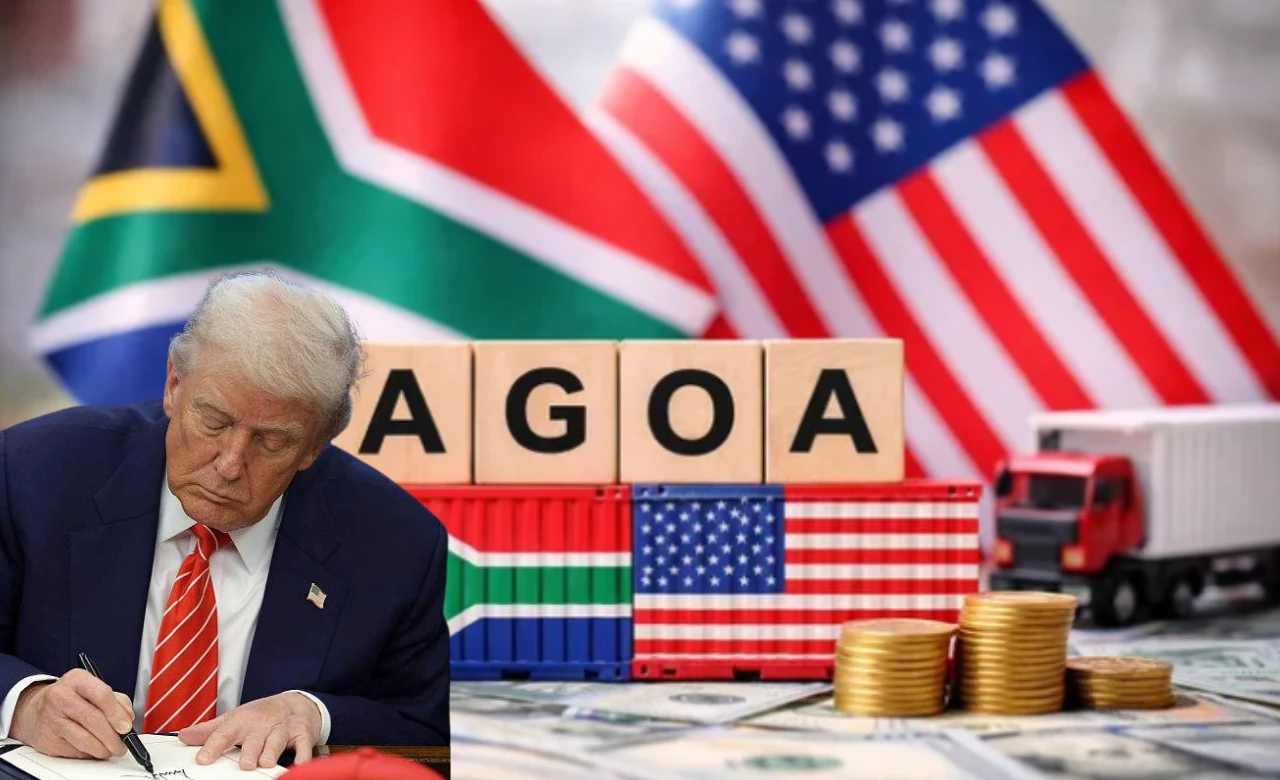
President Donald Trump signed the African Growth and Opportunity Act extension into law on February 3, 2026. This is good news for many African countries. AGOA gives select African nations duty-free access to the US market for certain goods. These include vehicles, clothing, agricultural products, and more than 1,800 other items.
The program first started in 2000. It expired on September 30, 2025, leaving thousands of African workers and businesses in limbo. Now it is back. But there is a catch. The extension only lasts until the end of 2026. That is less than one year. And for South Africa, the situation is not as simple as it seems.
US Trade Representative Jamieson Greer confirmed that the extension will be applied retroactively to September 30, 2025. This means that businesses can claim refunds for duties paid since October. For South African wine and fruit exporters, this is crucial.
Many of them saw their profit margins destroyed by 10 to 15 percent duty hikes in recent months. The refunds will provide much-needed cash flow ahead of the 2026 harvest season. But there is a strict deadline. Importers must file for these refunds with US Customs and Border Protection within 180 days of the signing date. That is a tight window, and businesses need to act fast.
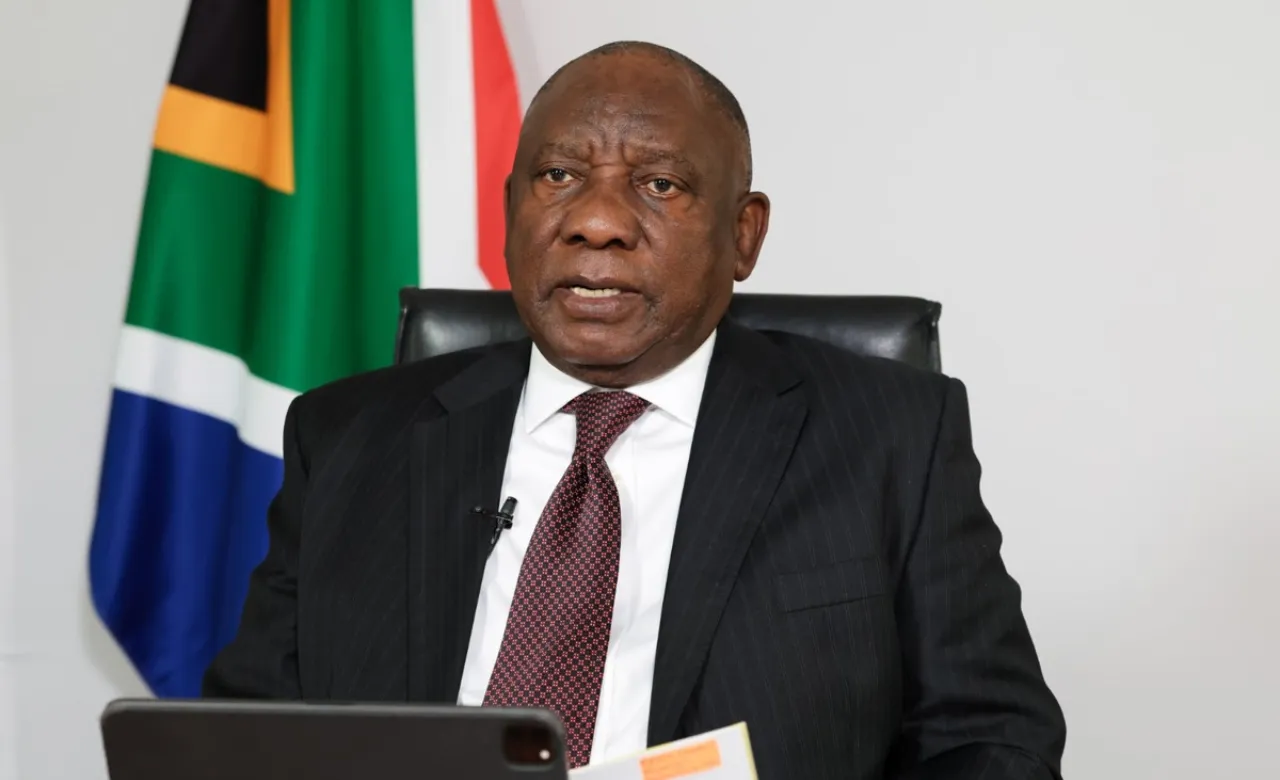
South Africa’s Trade, Industry and Competition Minister Parks Tau welcomed the extension. He said it provides some relief to exporters who depend on AGOA. But he also expressed concern about how short the extension is. African leaders had asked for a much longer renewal.
The US House of Representatives initially passed a three-year extension. But the Senate cut it down to just one year. This creates uncertainty. Businesses cannot plan properly when they only have 11 months of guaranteed access to the US market. Investment decisions take time. Purchasing decisions require stability. A one-year extension does not offer that.
The real problem for South Africa is not just the short timeline. It is the 30 percent reciprocal tariff that the Trump administration imposed on South African goods. Even though AGOA has been extended, this tariff still applies to many products. For some items, AGOA benefits do not override the tariff. This is especially true for soft citrus fruits like mandarins, lemons, and grapefruit.
South African oranges have been granted an exemption because the US views them as non-competitive to American growers during the summer. But soft citrus is a different story. The 30 percent tariff often exceeds the entire profit margin on these products. So even with AGOA in place, South African farmers are struggling to compete.
South Africa is currently negotiating an Agreement on Reciprocal Tariffs with the United States. The goal is to reduce or eliminate that 30 percent duty. Minister Tau says the country continues to engage constructively with the US administration. He believes a healthy trade relationship benefits both nations. But the talks are not easy.
US-South Africa relations have deteriorated badly under the Trump administration. Trump boycotted the G20 summit that South Africa hosted last year. He has also claimed that South Africa will not be invited to the 2026 G20 meetings that the US will host. On top of that, Trump has spread false information about a so-called genocide of white people in South Africa. These accusations have no basis in fact, but they have damaged diplomatic ties.
US officials have made it clear that AGOA eligibility comes with strict requirements. Countries must establish or make progress toward a market-based economy, the rule of law, political pluralism, and due process. They must also eliminate barriers to US trade and investment, combat corruption, and protect human rights. US Trade Representative Greer has described South Africa as a “unique problem” for the United States.
Some US senators have even called South Africa an adversary. They point to South Africa’s participation in naval exercises with Iran, Russia, and China as evidence of hostility toward America. South Africa has pushed back, noting that it asked Iran to withdraw its warships from the recent “Will for Peace 2026” drills off the South African coast.
For now, South Africa remains part of AGOA. But its future participation is far from certain. The Trump administration could still exclude the country by executive order. Or it could impose tariffs that nullify AGOA’s benefits entirely. Economists warn that South Africa is not out of the woods yet. The next 11 months will be critical. Businesses need to prepare for multiple scenarios.
They should compile all their import records since October 2025 to claim refunds. They should also evaluate whether certain products are still viable under the current tariff structure. And most importantly, they should not assume that AGOA will be renewed again when it expires in December. The simple reality is that South Africa’s trade relationship with the United States is fragile. One year is not enough time to fix it. But it is all the time South Africa has.