
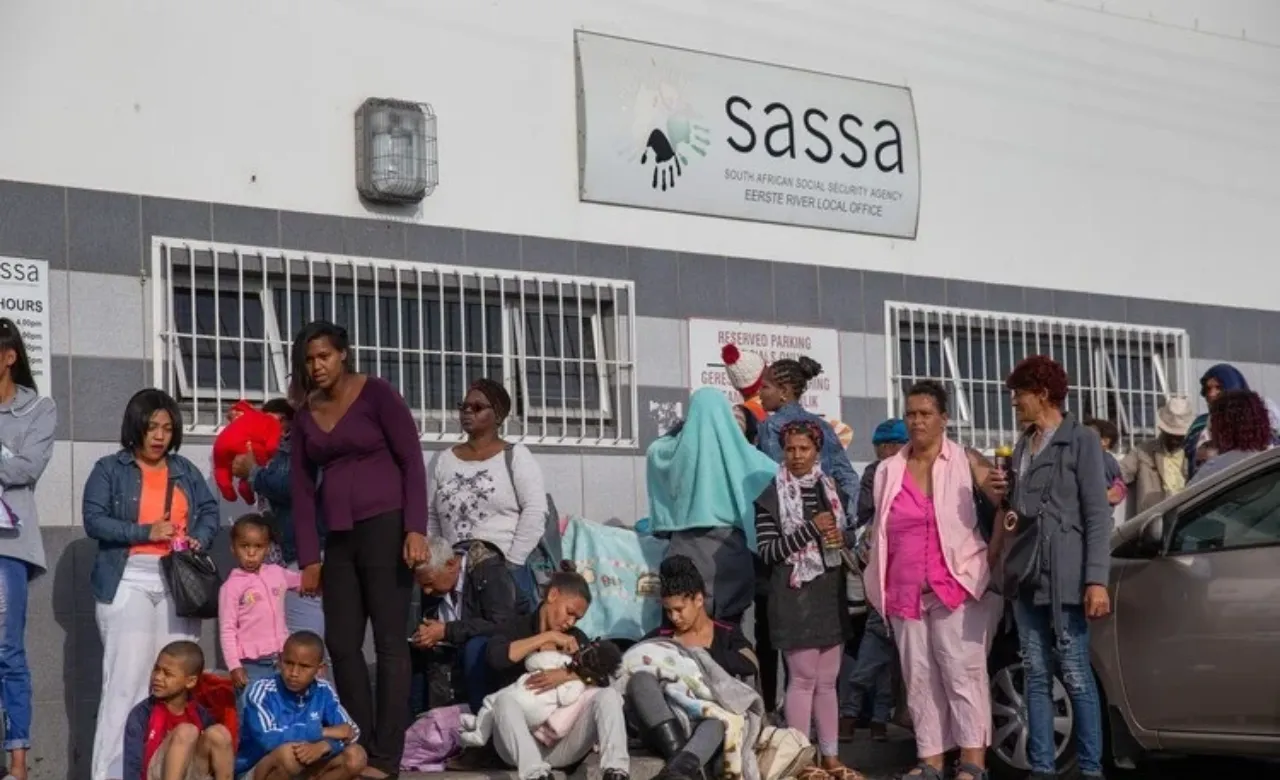
The South African Social Security Agency has suspended 70,000 social grants during its nationwide review process. This major crackdown aims to ensure that only eligible people receive government assistance. Thousands of beneficiaries are now facing payment suspensions after failing to meet new verification requirements.
SASSA announced the suspensions on Thursday after completing reviews of 240,000 grants. The agency is conducting 420,000 reviews this financial year as part of a plan to protect public funds and reduce fraud. CEO Themba Matlou explained that this process helps guard against wasteful use of government resources.
The review process checks whether beneficiaries still qualify for their grants. Many people’s circumstances change over time. Some find employment or receive other income sources. Others move to different addresses without updating their records. These changes can affect grant eligibility.
SASSA has identified nearly 500,000 grant recipients who may earn too much money to qualify. The agency used income verification testing with the South African Revenue Service. Most of these people have already received notices to present themselves for verification. Another 162,574 beneficiaries were flagged through data matching with the National Student Financial Aid Scheme and other organizations.
The review process is not simple guesswork. SASSA uses sophisticated technology to cross-check information. The agency compares data from multiple government databases in real time. This includes bank records, unemployment insurance information, and payroll systems from various departments.
Beneficiaries found through this process must present themselves for review and disclosure. The rules are clear about what happens next. Failure to comply may result in grant suspension. However, SASSA does not cancel grants immediately. The regulations give beneficiaries 90 days before the grant lapses completely.
Matlou emphasized that around 200,000 people who were reviewed turned out to be ineligible for social grants. The data revealed discrepancies between what beneficiaries reported during applications and their actual financial situations. Information supplied to SASSA often did not match credit bureau records.
The suspended grants represent significant savings for the government. From the lapsed grants alone, SASSA expects to save R28.5 million per month. By the end of this financial year, savings should reach R170.7 million. After a full year, the total could be R341.4 million.
These funds can then be redirected to deserving beneficiaries who truly need assistance. The goal is making sure taxpayer money reaches the most vulnerable citizens. It is an easy concept to understand. Resources should go to people who qualify under the law.
SASSA has made progress in modernizing the grants system. New interventions include compulsory biometric enrollment for all applications. This uses fingerprints or facial recognition to prevent identity fraud. The agency has also introduced targeted life certification and reviews of high-risk beneficiary groups.
A self-service portal now allows beneficiaries to complete life certification remotely. This makes the process more convenient for those who live far from SASSA offices. Going forward, more review processes will become available through self-service platforms. This improves accessibility, efficiency, and convenience for everyone.
Grant reviews are not optional. They are required by law under Regulation 30 and Section 14(5) of the Social Assistance Act of 2004. Beneficiaries must regularly confirm their continued eligibility. They must also report any major changes to their circumstances.
Common reasons for suspension include undeclared income from employment or side jobs. Even casual work or family financial support can trigger a review if not declared properly. Outdated contact details also cause problems. Wrong phone numbers or incorrect banking information frequently result in missed payments or failed verification.
The mandatory biometric enrollment is now essential. Beneficiaries who have not completed this process may have their payments halted until they comply. It is a simple step that protects the system from fraud.
SASSA urges affected beneficiaries to visit their nearest local office immediately. They should bring their South African ID, proof of income, bank statements from the last three months, and proof of residence. Responding quickly is the easy way to restore suspended payments.
The agency warns people to use only official SASSA channels. Beneficiaries should never share personal details with anyone offering to fix or fast-track grants. Such offers are scams designed to steal information.
This review represents a turning point for social assistance in South Africa. While challenging for some, it ensures the long-term sustainability of the grant system. Only through fair verification can SASSA guarantee that every grant reaches someone who truly qualifies.