

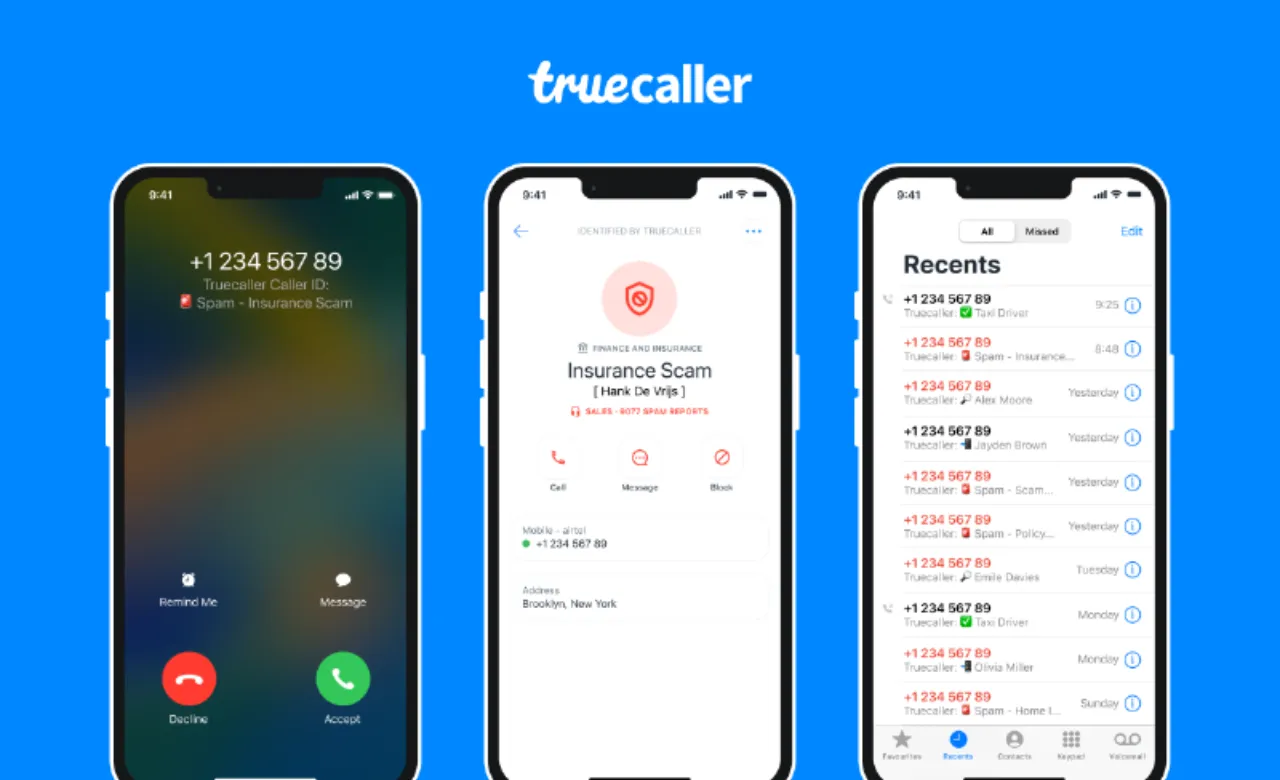
Capitec Bank has raised a red flag about phone scams in South Africa. The country’s largest bank warns that even popular apps like Truecaller cannot protect you from clever fraudsters. This news is important for anyone who uses caller ID apps to identify unknown numbers.
The simple truth is this: criminals are getting smarter. They now use technology to make their calls look real when they are not.
Nick Harris works as the head of financial crime at Capitec Bank. He explains that scammers are using a trick called caller ID spoofing. This means they can make any number appear on your phone screen. Your phone might show that your bank is calling. But in reality, it could be a criminal on the other end.
The technology behind this scam is not complicated or expensive. Fraudsters use internet-based calling services that are easy to find online. These tools let them choose whatever number they want to display. When the call reaches your phone through the telecom network, everything looks normal. The network cannot verify if the number is real or fake at a deeper level. It simply accepts what it receives.
This creates a dangerous situation for South Africans. Your screen shows a familiar number. It looks legitimate. It feels legitimate. You trust it. But that trust is exactly what the criminals want.
Harris makes an important point about Truecaller and similar apps. These caller verification apps cannot detect spoofed numbers. The reason is simple. Truecaller works by reading the number that appears on the network. If a fake number looks real to the network, it will also look real to the app. The app gets fooled just like your phone does.
Many South Africans use Truecaller to identify unknown callers. The app shows whether a number belongs to a business, a delivery service, or a known scammer. Truecaller even offers a Verified Business badge for official companies. The app uses artificial intelligence to provide context about who is calling.
However, all this technology has a weakness. If the displayed number is fake but looks legitimate, the app cannot tell the difference. This is not a fault of the app itself. It is simply how caller ID spoofing works. The entire system gets tricked from the start.
Criminals are not just pretending to be banks. They also spoof numbers from the South African Police Service and other trusted organizations. They make calls that sound professional and urgent. People describe these scams as frighteningly realistic. Some victims admit they almost gave away their personal information.
The goal of these scammers is clear. They want your banking details, passwords, and one-time pins. They create pressure and fear to make you act quickly without thinking. They know that if you believe your bank is calling about fraud on your account, you will want to fix it immediately.
Capitec’s advice is easy to follow and could save you money. If someone calls claiming to be from your bank, do not trust the number on your screen. Simply hang up the phone. Then contact your bank yourself using the official number listed on their website or banking app. This simple step removes all risk.
The bank emphasizes this point repeatedly. Even when everything looks and sounds real, do not take chances. The safest response is always to hang up and call back using a number you know is correct. Never give out sensitive information during an incoming call.
Stories are spreading across South Africa about people who narrowly escaped these scams. On local radio stations and social media, citizens share their experiences. Many describe calls that seemed completely genuine. The callers knew banking terms and sounded professional. The urgency in their voices made the situation feel real.
This problem is getting worse as scams become more sophisticated. The responsibility now falls on each individual to protect themselves. Banks can warn customers and improve security. Apps can help identify spam callers. But ultimately, you must verify who is really on the other end of the line.
The message from South Africa’s biggest bank is clear. Technology alone cannot protect you from determined criminals. Truecaller and similar apps are useful tools, but they have limitations. The most effective protection is your own awareness and caution.
Remember these easy tips: Never share passwords, PINs, or one-time codes over the phone. Real banks will never ask for this information. If a call seems urgent or creates pressure, that is a warning sign. Legitimate organizations do not rush you into making quick decisions.
When in doubt, the solution is always the same. End the call and contact the organization directly using official channels. This simple action takes away the scammer’s power and keeps your money safe.