
A new documentary series about electric vehicles in Africa will be shown to the public for the first time next week. The seven-part series tells the story of an incredible journey and highlights how African innovation is shaping the future of transportation.
Stellenbosch University will present “Recharging Hope” on February 19, 2026, at the Stellenbosch Institute for Advanced Study. The screening starts at 12:30 in the afternoon. This documentary was created by the university’s Electric Mobility Lab and showcases their work in developing clean transportation solutions for Africa.
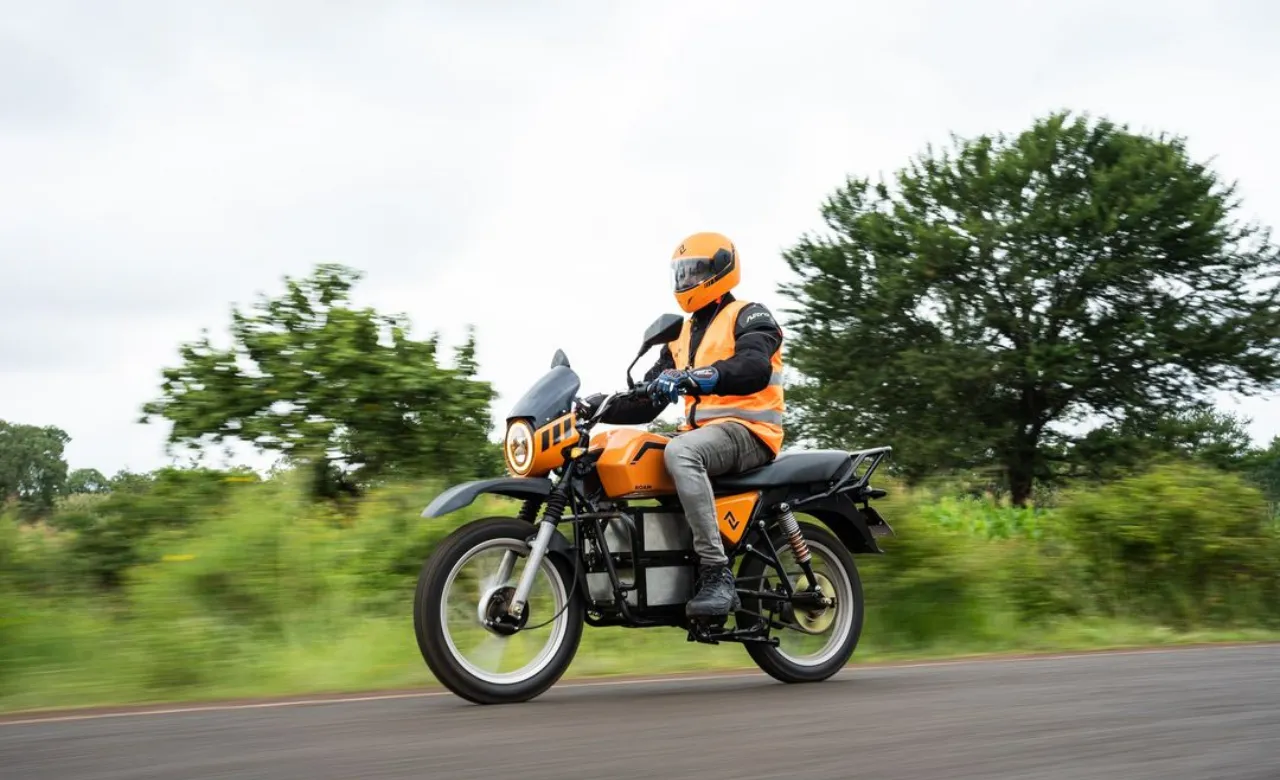
The documentary follows a remarkable solar-powered motorbike that traveled 6,000 kilometers from Nairobi, Kenya, to Stellenbosch, South Africa. This journey happened in 2025 and proved that electric vehicles can work well in African conditions. The bike ran entirely on solar power during the entire trip. No other energy source was needed.
The premiere event will be more than just a film screening. Visitors will get to see real electric vehicles that were developed at the university’s lab. These vehicles show how traditional cars and buses can be converted to run on electricity instead of petrol or diesel. The goal is to make transportation cleaner and easier for African communities.
The solar-powered motorbike that completed the long journey will be on display at the event. This motorcycle is called the Roam Air and was designed in Africa specifically for African roads and conditions. During its journey from Kenya to South Africa, the bike’s batteries were charged using only portable solar panels. A support team traveled alongside with solar charging equipment.
The trip took the motorcycle through several African countries including Tanzania, Malawi, Zambia, and Botswana before reaching South Africa. The journey tested whether solar-powered transportation could work across different terrains and weather conditions. The results were impressive and showed that renewable energy can power vehicles over long distances.
Stephan Lacock, a researcher at Stellenbosch University who rode the motorcycle on part of the journey, helped document the entire expedition. The documentary captures both the challenges and successes they experienced along the way. It shows how African engineers and researchers are finding simple solutions to complex transportation problems.
The Electric Mobility Lab at Stellenbosch University focuses on converting regular vehicles into electric ones. They work with buses, taxis, and motorcycles. Their research is important because most transport in Africa uses petrol or diesel vehicles. Converting these to electric power can reduce pollution and lower operating costs.
The lab has already converted a 65-seater bus for Golden Arrow Bus Service in Cape Town. This bus is now being tested on city routes. The conversion process removes the old engine and replaces it with electric motors and batteries. The converted vehicles can be charged in just over two hours using special chargers.
Professor Thinus Booysen, who heads the Electric Mobility Lab, believes that electric vehicles are the future of African transport. However, he points out that charging these vehicles is a challenge in places where electricity supply is not reliable. That’s why the lab focuses on solar power as an energy source. Solar panels make it easy for people to charge vehicles even in areas without stable electricity.
The documentary “Recharging Hope” aims to inspire more people across Africa to consider electric transportation. It demonstrates that African innovation can solve African problems. The technology shown in the film was designed and tested by African researchers for African conditions.
The event on February 19 is open to the public. People who attend will learn about the latest developments in electric mobility. They can ask questions to the researchers and see the vehicles up close. This is a simple way for anyone to understand how electric transportation works.
The university hopes the documentary will encourage more investment in clean transportation projects. Electric vehicles produce no exhaust fumes and are quieter than traditional vehicles. They also cost less to maintain over time because they have fewer moving parts.
This premiere marks an important moment for Africa’s electric vehicle movement. It shows that sustainable transportation is not just a dream but a reality that is already happening on the continent. The journey from Nairobi to Stellenbosch proved that with determination and innovation, Africa can lead the way in clean mobility solutions.