

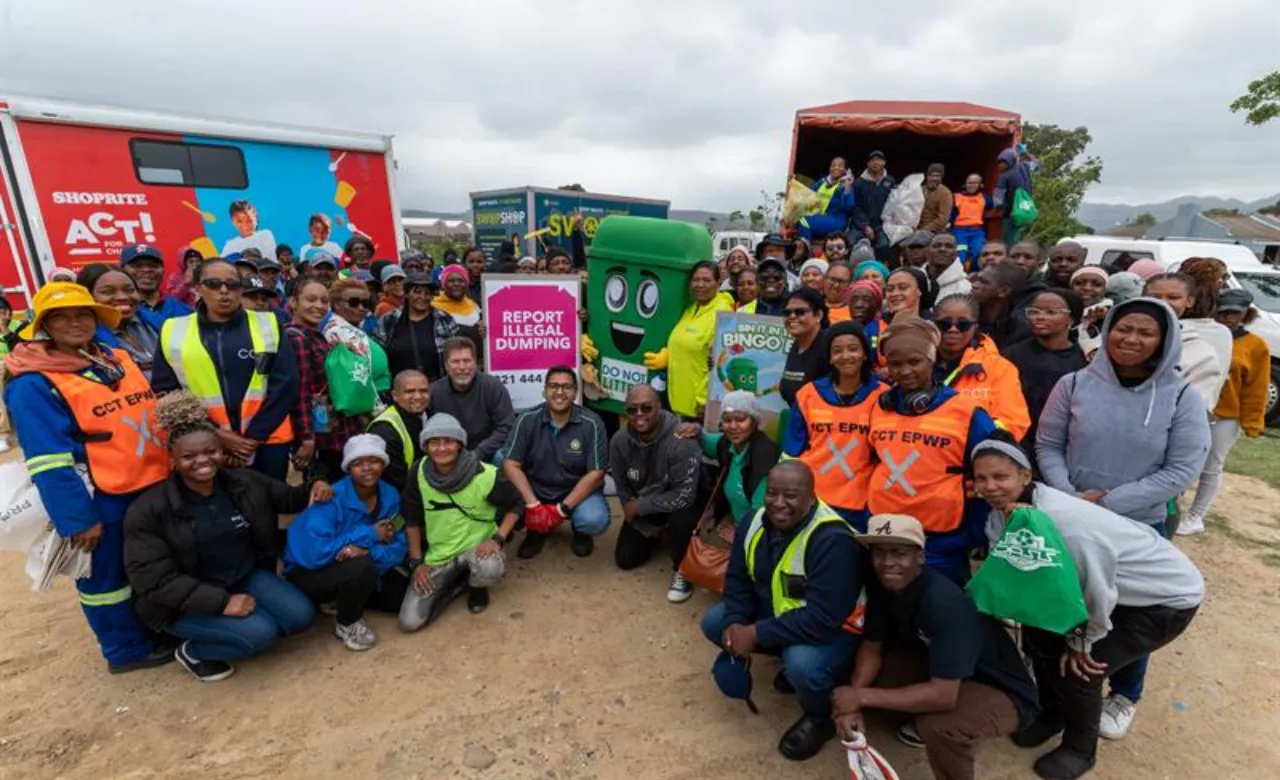
Cape Town is taking a big step forward in cleaning its polluted rivers. The city has increased its funding for local groups working to protect waterways and improve conditions for residents.
The Water and Sanitation department recently gave R3.5 million to 22 community organizations. These groups will work on projects to reduce pollution and make the water cleaner across Cape Town.
This money was awarded after officials looked at 39 different project ideas that were sent in December. The 22 winners showed they had good plans to tackle water pollution in problem areas. They also proved they could get local people involved and make real changes within five months.
The new funding means Cape Town has more than doubled its support for these community groups compared to when the program started in 2024. This shows the city is serious about finding practical ways to fix water problems.
What makes this approach simple and effective is that local people know their areas best. The projects are different in each neighborhood because each place faces its own challenges. Some groups will organize clean-ups of dirty waterways. Others will teach local workers about saving water.
Councillor Zahid Badroodien explained why working with communities matters so much. He said the city is putting money into creative, locally run solutions that get citizens active and deliver real improvements to river health between February and June 2026.
The organizations doing this work come from many different backgrounds. The Mosselbank River Conservation Team will fix up an important river branch. The Environmental Monitoring Group Trust plans to work with Mfuleni residents through clean-ups and teaching sessions.
Another project called “Rethink the Stink” is running a campaign with an easy message: bin it, don’t flush it. This teaches people the right way to throw away waste so it doesn’t end up in rivers. A program called “Save a Fishie” is reaching 50 schools to teach children about protecting water.
These efforts go beyond just picking up trash from rivers. The groups are teaching residents and giving them the tools to protect their own environment. When people understand why clean water matters, they take better care of their local rivers and streams.
One project leader, Zoë Prinsloo from Save a Fishie, explained how the city’s backing helps. She said the support gives organizations confidence to grow and plan for the future. They can buy better equipment and teaching materials. They can also reach more communities with their message.
The simple truth is that dirty rivers affect everyone. Polluted water harms fish and plants. It can make people sick. It damages the environment that families depend on. By working together, the city and community groups can fix these problems.
The grants will fund work over the next five months. During this time, the 22 organizations will carry out their plans. They will clean rivers, teach workshops, and get thousands of residents involved in protecting water.
This partnership model is working because it combines government resources with local knowledge. The city provides funding and support. Community groups provide understanding of their areas and connections with residents. Together, they create solutions that work.
Cape Town’s approach shows that environmental problems need everyone’s help. When government and communities work as partners, cleaning up pollution becomes an easy goal to reach. The doubled funding proves the city believes in this simple but powerful idea: local people can make a big difference when given the right support.