
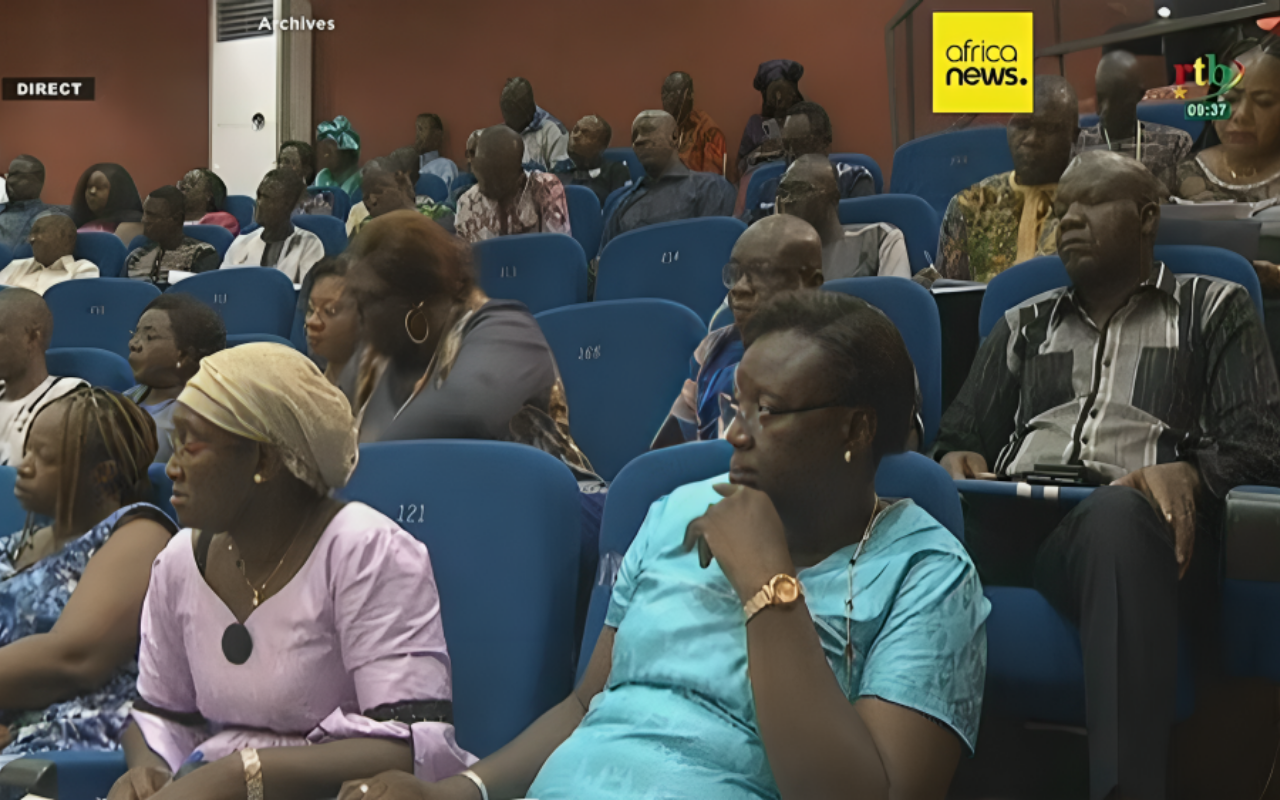
Burkina Faso’s parliament has taken a dramatic step that shocks many observers. Lawmakers have approved a complete ban on all political parties in the country. This decision fundamentally changes the West African nation’s political landscape.
The vote marks a significant turning point for Burkina Faso’s democracy. Political parties have been the foundation of democratic systems worldwide for centuries. They give citizens organized ways to participate in government and express different viewpoints. Banning them entirely is an extreme measure.
Parliament members who supported the ban argue it’s necessary for national stability. Burkina Faso has faced serious security challenges in recent years. Armed groups control parts of the country, and violence has displaced thousands of people. Supporters claim political divisions weakened the nation’s ability to respond effectively.
According to those defending the decision, political parties created unnecessary conflicts during a crisis period. They say politicians spent more time fighting each other than addressing real problems facing ordinary citizens. The ban supposedly removes distractions and allows focused leadership.
However, critics see this very differently. They view the ban as a dangerous attack on democratic freedoms. Without political parties, how can citizens organize to challenge government decisions? How can different ideas and policies compete in a healthy way? These aren’t easy questions to answer.
Opposition figures who still dare to speak out call this decision authoritarian. They argue that banning parties silences dissent and concentrates power dangerously. When only one group controls everything without organized opposition, accountability disappears. Leaders can do whatever they want without facing consequences.
International observers have expressed deep concern about this development. Democratic nations and human rights organizations worry about Burkina Faso’s direction. The ban violates basic principles of political freedom that most countries consider fundamental rights.
The timing of this decision is particularly troubling. Burkina Faso experienced a military coup in recent years. The current leadership came to power through force, not elections. Now they’re eliminating the very structures that could challenge their authority or offer alternatives.
Citizens of Burkina Faso face a difficult reality. Many ordinary people are more worried about daily survival than political theory. When armed groups threaten your village and your family lacks food, abstract concepts like multi-party democracy might seem less urgent.
This is exactly what makes the situation so complex. Leaders exploit genuine security fears to justify restricting freedoms. They promise safety and stability in exchange for political rights. But history shows that concentrating power rarely leads to better outcomes for ordinary people.
Without political parties, how will future elections work if they happen at all? Will independent candidates compete individually? Or will elections simply stop happening? The ban raises more questions than it answers about Burkina Faso’s political future.
Some regional neighbors have experienced similar situations. Military governments often promise temporary measures that become permanent. Emergency powers granted during crises rarely get voluntarily returned. Citizens should be skeptical when leaders ask for extraordinary authority.
The ban also affects civil society organizations and activists who depend on political structures. Even groups focused on simple community issues like education or healthcare often need political channels to advocate for change. Closing those channels makes citizen participation much harder.
Young people in Burkina Faso will grow up in a system without organized political competition. They won’t experience the healthy debate between different parties offering competing visions. This shapes how they understand citizenship and their role in society.
International consequences could follow this decision. Democratic countries might reduce aid or impose sanctions. Investment could decline if Burkina Faso is seen as unstable or authoritarian. Economic isolation would hurt ordinary citizens most, not the leaders who made this choice.
The parliament that approved this ban itself represents a political party system. The irony is obvious. The very institution voting to eliminate parties exists because of party politics. Once they’ve removed all competition, what legitimacy does parliament itself have?
Regional organizations like the African Union and ECOWAS must decide how to respond. They’ve previously intervened when member states violated democratic norms. But enforcement isn’t always easy or consistent. Burkina Faso’s leaders might calculate they can ignore international criticism.
For citizens hoping to resist this decision, options are limited and dangerous. Protesting could lead to arrest or worse. Speaking out publicly carries real risks when authorities face no organized political opposition to check their power.
History will judge whether this ban truly helped Burkina Faso address its challenges or simply concentrated power in fewer hands. The stated reasons about security and stability sound reasonable on the surface. But the actual effects might prove devastating for freedom and human rights.
Other countries facing similar security pressures will watch closely. If Burkina Faso’s leaders claim success from banning parties, others might follow. If the decision leads to disaster, it could serve as a warning. Either way, this moment matters beyond one country’s borders.
The simple truth is that democracy requires patience, tolerance, and institutional strength. Banning political parties because they create disagreement misses the point entirely. Disagreement and debate are features of democracy, not bugs to be eliminated. Burkina Faso has chosen a troubling path forward.