

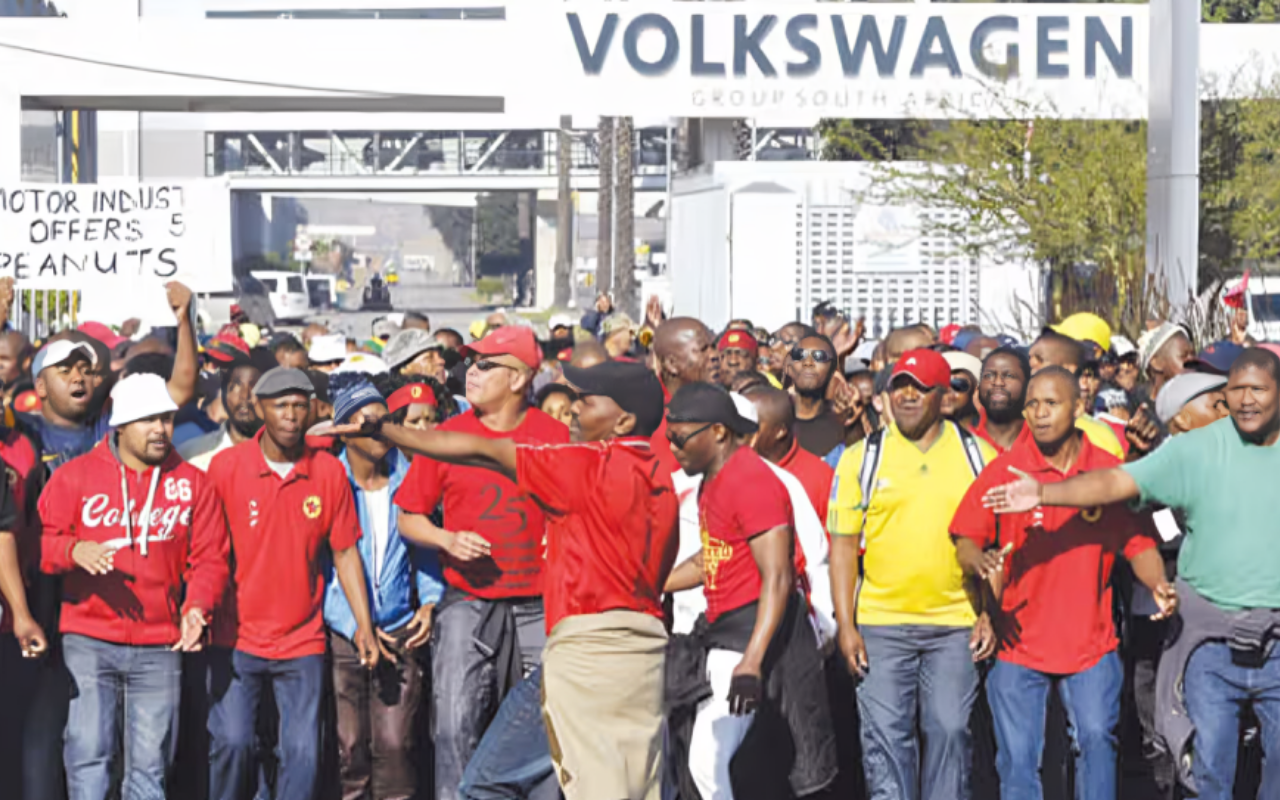
German car manufacturer Volkswagen has delivered alarming news to South Africa. The company is considering shutting down its local operations. This decision could cost 4,000 workers their jobs and devastate communities that depend on the factory.
Volkswagen has been operating in South Africa for decades. The company’s plant manufactures vehicles for both local markets and export. Thousands of families rely on wages from this factory to pay bills, buy food, and send children to school.
The potential closure isn’t a sudden decision but the result of mounting challenges. Volkswagen faces serious difficulties that make continuing South African operations increasingly hard to justify. Understanding these problems helps explain why such a drastic step is being considered.
Global car manufacturing has become extremely competitive. Companies must produce vehicles efficiently and cheaply to survive. When costs rise too high in one location, manufacturers look elsewhere. South Africa now faces this harsh reality.
One major issue is the country’s unreliable electricity supply. Factories need constant power to operate production lines. Load shedding disrupts manufacturing and forces companies to invest in expensive backup generators. This makes production costs higher than in countries with stable electricity.
Labour costs and industrial relations also present challenges. While South African workers deserve fair wages, companies compare costs across different countries. If producing cars becomes too expensive here, executives will move production somewhere cheaper. It’s a simple business calculation that ignores the human impact.
The rand’s weakness against major currencies creates additional problems. Volkswagen imports many parts and components in foreign currency. When the rand loses value, those imports become more expensive. This squeezes profit margins and makes the operation less viable.
Competition from other manufacturing locations is intense. Countries like Thailand, Mexico, and Eastern European nations offer attractive incentives to car makers. They provide tax breaks, cheap electricity, and modern infrastructure. South Africa struggles to match these advantages.
For the 4,000 workers at risk, the threat is deeply personal and frightening. Many have worked at Volkswagen for years, some for their entire careers. They’ve built skills, homes, and futures around these jobs. Losing them would be devastating.
The ripple effects extend far beyond those directly employed by Volkswagen. Component suppliers who provide parts to the factory would lose business. Restaurants and shops near the plant that serve workers would see customers disappear. Entire communities could suffer economic collapse.
Local government officials are understandably worried. They’re trying to negotiate with Volkswagen to find solutions. Losing such a major employer would hurt tax revenues and increase unemployment in the region. The social costs would be enormous.
Union representatives are fighting hard to save these jobs. They’re engaging with company management and government to explore alternatives. Nobody wants to accept closure as inevitable without exhausting every possible option first.
Some suggest government intervention could help. Tax incentives, infrastructure improvements, or electricity guarantees might convince Volkswagen to stay. But such solutions cost money that government may not have or choose to spend elsewhere.
The automotive industry is crucial to South Africa’s manufacturing sector. It employs tens of thousands directly and supports many more jobs indirectly. Losing a major player like Volkswagen would send a terrible signal to other manufacturers considering investing here.
This situation highlights broader challenges facing South African industry. Companies in various sectors struggle with similar issues around electricity, costs, and competitiveness. Volkswagen’s problems reflect systemic issues that won’t be easy to fix.
Workers and their families are living with terrible uncertainty right now. They don’t know if they’ll have jobs next month or next year. Planning for the future becomes impossible when your livelihood hangs in the balance. The stress affects entire households.
Some employees might find work at other car manufacturers if Volkswagen closes. But 4,000 new jobs don’t appear magically. The job market cannot easily absorb that many skilled workers suddenly looking for employment. Many will struggle for months or years.
Volkswagen hasn’t made a final decision yet. The company is still evaluating options and consulting with stakeholders. There’s hope that a solution can be found to keep the plant operating. But hope alone won’t pay the bills if closure proceeds.
Business experts say this is a wake-up call for South Africa. The country must address infrastructure problems and create a more competitive environment for manufacturers. Otherwise, more companies will follow Volkswagen’s example and relocate elsewhere.
For now, workers continue reporting to the factory each day, building cars while wondering if their jobs will exist tomorrow. The uncertainty is almost as painful as actual job loss. At least with closure, people could start grieving and planning. This limbo state leaves everyone anxious and afraid.
The coming weeks will be critical as Volkswagen makes its final decision. Four thousand families are praying for good news while preparing for the worst. Their futures hang on corporate calculations being made in distant boardrooms.