
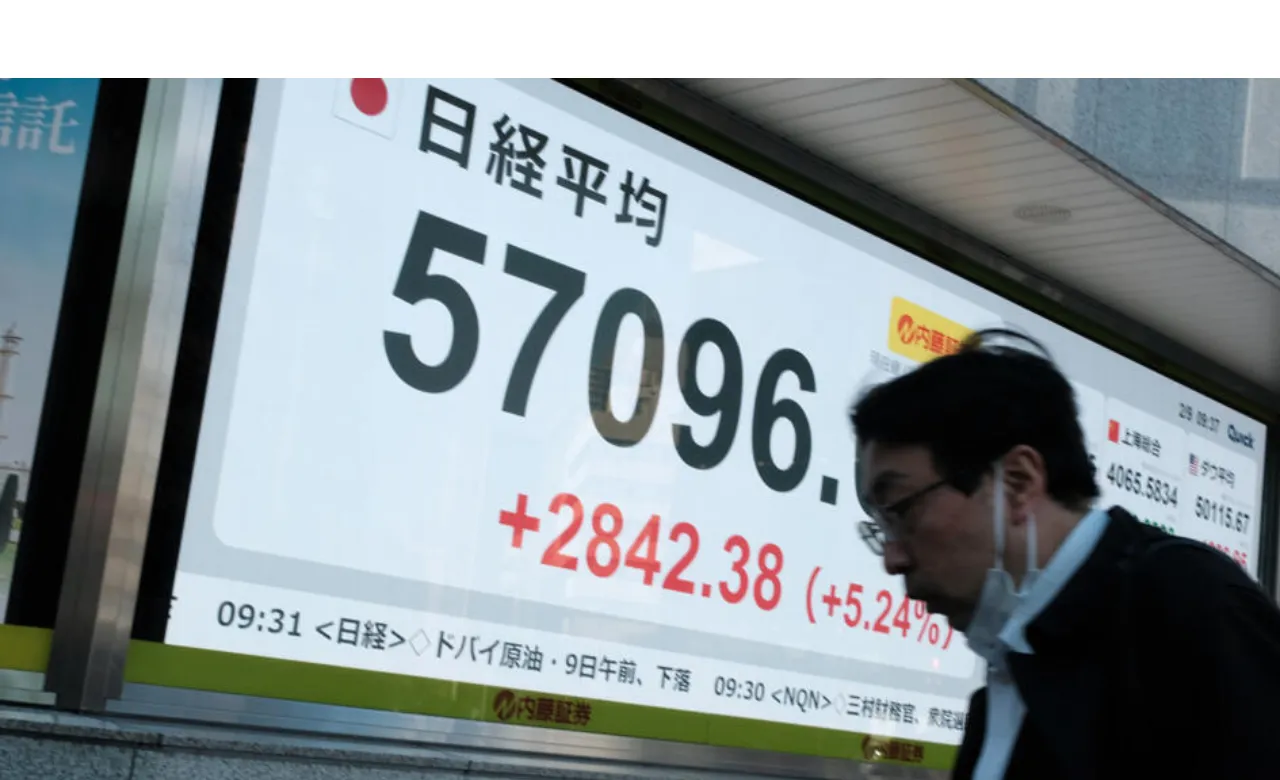
The Japanese yen strengthened against the US dollar following Prime Minister Takaichi’s expected victory in Japan’s lower house elections. Currency traders showed a classic market reaction that professionals call “sell the fact” behavior. This means investors sold their positions after the predicted outcome became reality. Now all eyes turn to tomorrow’s crucial US employment report that could shake up currency markets even more.
The US dollar has been losing ground against other major currencies over the past few days. This weakness started after last week’s stock market troubles and disappointing US job opening numbers. The dollar’s decline didn’t have one simple reason. Some reports suggested China told its banks to reduce their holdings of US Treasury bonds, but this story doesn’t fully explain what happened in the markets.
Currency trading is actually quite easy to understand when you break it down. The dollar goes up when people expect the Federal Reserve to keep interest rates high. It goes down when traders think rate cuts are coming. Right now, markets are betting the Fed will cut rates by about 58 basis points this year. That’s roughly half a percentage point.
Tomorrow’s US jobs report will be the deciding factor for the dollar’s direction. If the jobs data comes in strong, the dollar will likely rally because traders will rethink their expectations about Fed rate cuts. Strong employment numbers suggest the economy doesn’t need support from lower interest rates. On the flip side, weak jobs data would confirm that the Fed needs to cut rates more aggressively to help the economy.
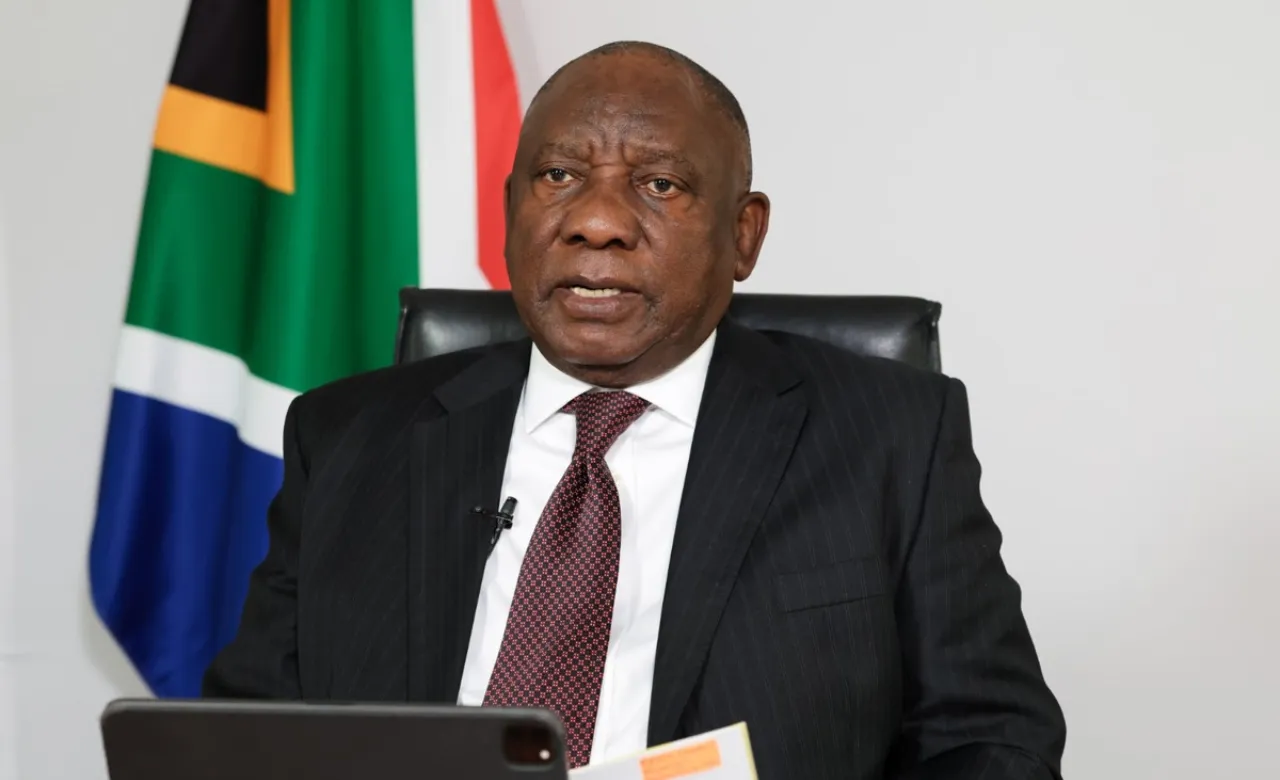
For the Japanese yen, the political situation was straightforward. Prime Minister Takaichi won the lower house election exactly as everyone expected. Markets don’t like surprises, so this predictable outcome triggered the “sell the fact” response. Traders who bought yen before the election sold their positions after the results came in.
The Bank of Japan kept interest rates unchanged at its latest policy meeting. Governor Ueda gave hints that April might be when the central bank considers raising rates again. This decision will depend on how prices behave in the coming months. However, recent inflation data from Tokyo showed prices rising more slowly than before. This makes an April rate hike less certain.
The relationship between the US dollar and Japanese yen remains delicate. The exchange rate is sitting right between two important levels. Below is the intervention zone around 159 yen per dollar where Japanese authorities might step in to support their currency. Above is a major trend line that shows the overall upward movement of the dollar.
Technical traders are watching several key price points. There’s an upward trend line that buyers are using as support. If the price stays above this line, traders expect the dollar to push higher toward 159. If the price breaks below the trend line, sellers will jump in and push the pair lower.
The next few days will be busy for currency markets. Today brings US retail sales data and employment cost numbers. Tomorrow’s jobs report is the main event everyone is watching. Thursday delivers weekly unemployment claims. The week wraps up Friday with the US inflation report.
Currency trading might seem complicated, but the basic idea is simple. Strong economic data supports a country’s currency. Weak data hurts it. Right now, the dollar’s fate depends on whether the US job market stays strong or shows signs of weakness. The answer will determine if traders make money or lose it in the coming weeks.
For average investors and people planning international trips, these currency moves matter. A stronger dollar means Americans get more buying power abroad. A weaker dollar makes imports more expensive and foreign travel costs more. The simple truth is that employment numbers move currency markets more than almost anything else.