
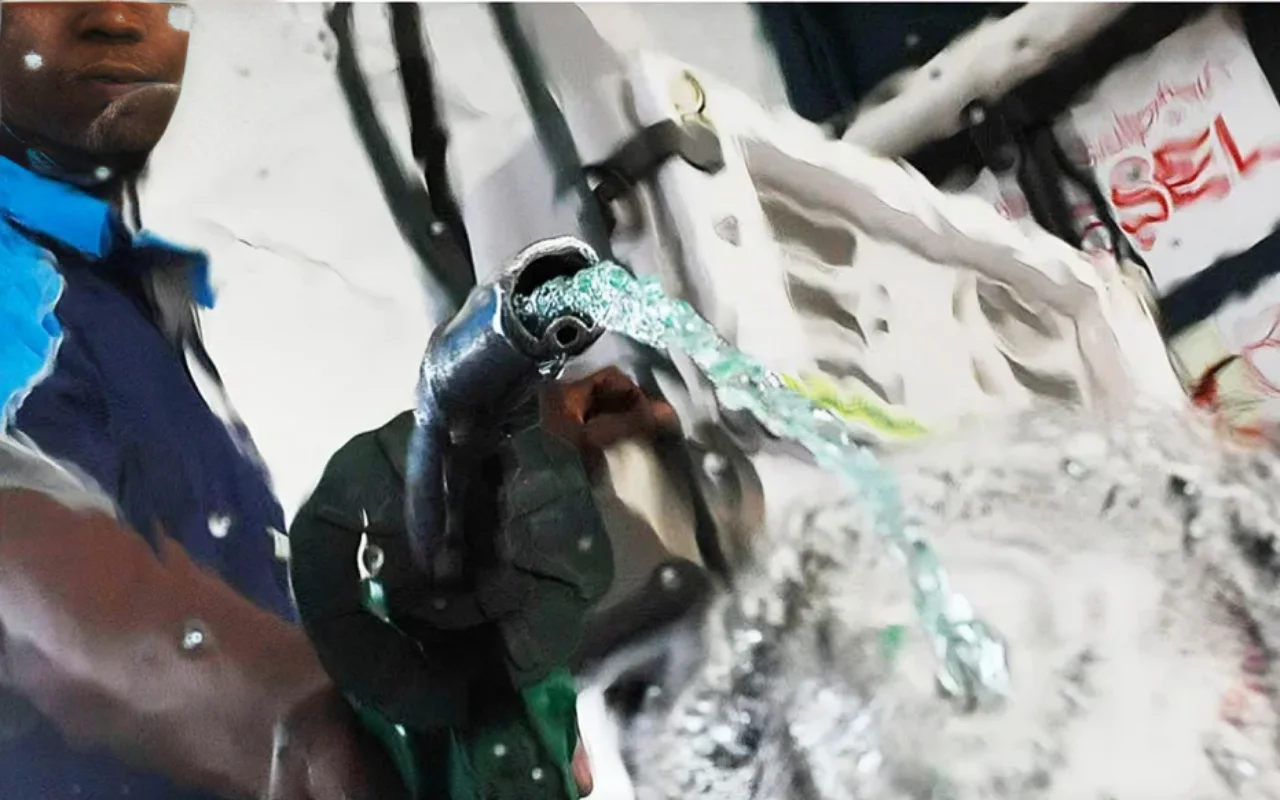
South African drivers are frustrated. Every time they fill up their tanks, they feel the pinch. Fuel prices remain stubbornly high, and many wonder why relief never seems to come. The truth is complex, but understanding it is easy once you break down the facts.
The country’s fuel pricing system has several layers. Each one adds costs that ordinary people must bear. While global oil prices play a role, they don’t tell the whole story. There are local factors that make South African fuel more expensive than it should be.
One major issue is the Basic Fuel Price. This is what fuel costs before any extras get added. It changes based on international oil markets and the rand’s strength. When the rand weakens against the dollar, South Africans pay more. This is a simple reality of importing fuel in a global market.
But the real problem starts with what comes next. The government adds several levies and taxes to every liter of fuel. The General Fuel Levy is one. The Road Accident Fund levy is another. These charges add up quickly. Together, they can account for almost half of what you pay at the pump.
Then there’s the Slate Levy. This is perhaps the most frustrating part for consumers. When fuel prices drop, the government sometimes doesn’t pass the full savings to drivers. Instead, they keep some money aside in what’s called the slate. Later, when prices rise, this money helps cushion increases. The intention sounds reasonable, but in practice, it means drivers rarely get the full benefit when global prices fall.
Retail margins also add to costs. Fuel stations need to make money to stay open. The government sets these margins to ensure stations remain profitable. While this keeps pumps operating across the country, it’s another fixed cost that consumers cannot escape.
Transport costs matter too. South Africa is a large country. Getting fuel from coastal refineries to inland cities costs money. These logistics expenses get passed down to consumers. Someone filling up in Johannesburg pays more than someone at the coast, even though they’re buying the same product.
The lack of competition in the fuel industry doesn’t help either. A few large companies control most of the market. When competition is limited, prices tend to stay high. Companies have less pressure to lower their costs or improve efficiency. Consumers end up with fewer choices and higher bills.
Recent economic pressures have made things worse. Inflation affects everything, including fuel. Operating costs for refineries and distributors have risen. Maintenance expenses have increased. All these factors contribute to the final price you see displayed at the station.
What makes this situation particularly difficult is that fuel affects everything else. Higher fuel costs mean higher transport costs. That pushes up food prices. It increases the cost of getting to work. It makes running a business more expensive. The impact ripples through the entire economy.
Many South Africans wonder if change is possible. Some experts suggest reducing certain levies could provide immediate relief. Others point to the need for better regulation and more competition in the industry. A few advocate for alternative energy solutions that could reduce dependence on imported fuel altogether.
The government faces tough choices. They need revenue from fuel taxes to fund roads and other services. But they also recognize that high fuel prices hurt the economy and burden ordinary families. Finding the right balance isn’t easy or simple.
For now, South African drivers should expect fuel prices to remain volatile. Global oil markets will continue to fluctuate. The rand will have good days and bad days. Local policies will evolve slowly. Understanding these factors won’t lower prices, but it does explain why your tank costs so much to fill. And knowledge, at least, helps you plan your budget better.