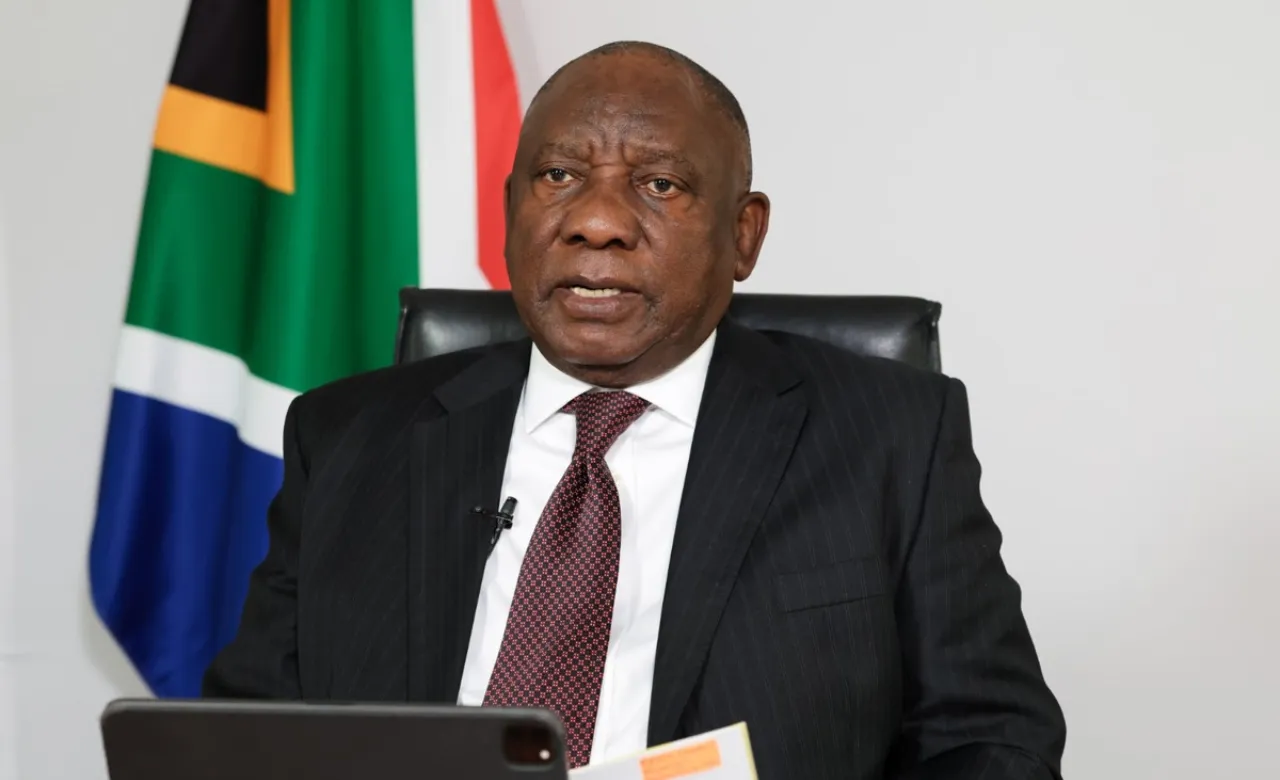

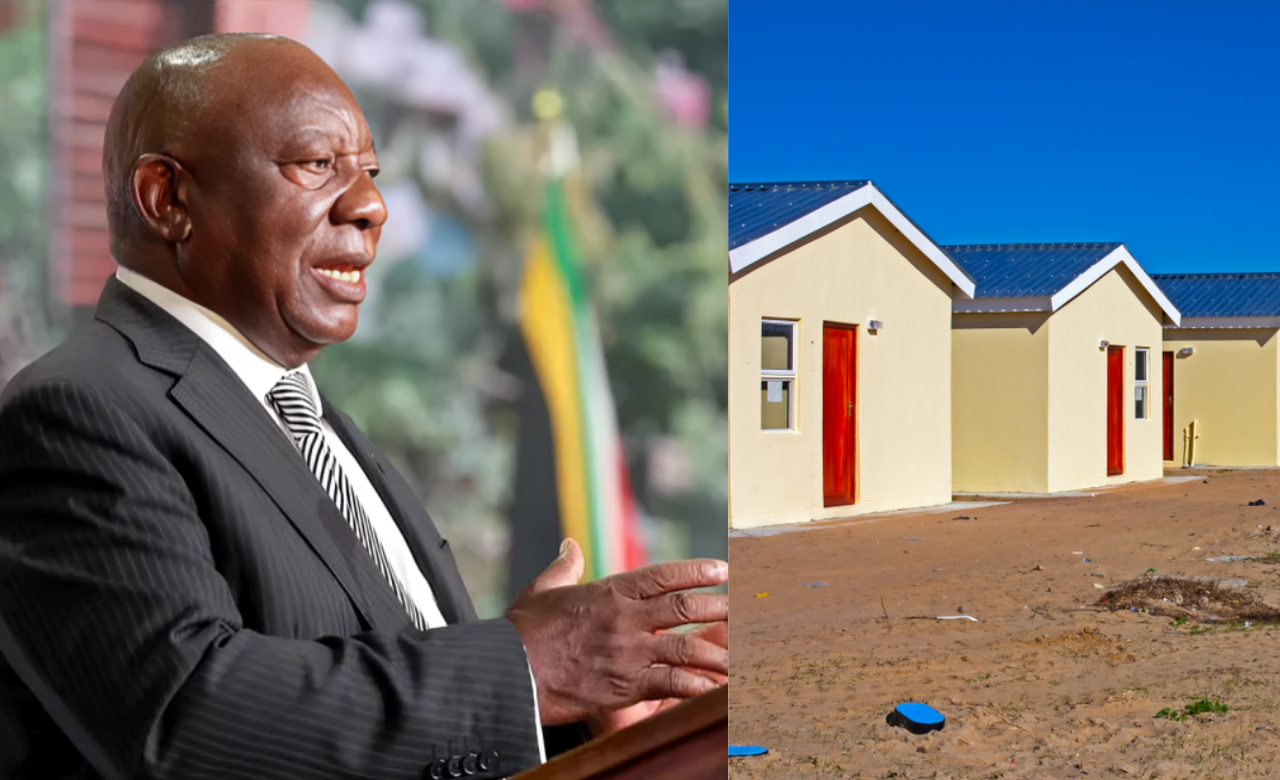
South Africa is making a big change in how it builds homes. The government just hosted the first Presidential Innovative Building Technologies Summit in Johannesburg. President Cyril Ramaphosa and Human Settlements Minister Thembi Simelane both spoke at the event. They said the country can no longer rely on old construction methods. The housing crisis is too big. More than 2.5 million families are still waiting for homes. The backlog is not getting smaller. It is getting worse. So the government is now turning to technology for answers.
Since 1994, South Africa has delivered more than 5 million housing opportunities. That is a huge achievement. It is one of the most ambitious social programs on the African continent. But despite all that progress, the demand for housing keeps growing. President Ramaphosa explained the problem in simple terms. He said inadequate supply, limited land, rising construction costs, and project delays are all making things worse. The country now has more than 4,000 informal settlements. These settlements do not have proper water, electricity, or sanitation. Delivering services to these unplanned areas is stretching government resources to the limit.
Climate change is also making the crisis harder to solve. Many informal settlements are built on land that is vulnerable to floods, droughts, and heat stress. When disasters strike, it is always the poorest people who suffer the most. Ramaphosa said that if South Africa keeps building in the old way, on the same vulnerable land, using the same methods, then the housing problem will never be solved. It is not easy to admit that the old ways are not working anymore. But the President said technology is the only solution moving forward.
Minister Simelane agreed. She called the summit a turning point. She said it is not just a conference about ideas or an exhibition of new gadgets. It is a call to action. The government, the private sector, and communities must all work together. They must change how housing is planned, financed, approved, and built. The traditional brick-and-mortar approach is too slow. It is too expensive. And it cannot keep up with the scale of the problem.
So what are these innovative building technologies? In South Africa, they are called IBTs. They include things like panelized and modular systems, lightweight steel framing, alternative foundation technologies, and prefabricated or off-site manufactured components. These are not experimental ideas. They are proven construction solutions. They have been tested and certified by Agrément South Africa and the National Home Builders Registration Council. These technologies can deliver homes faster, cheaper, and with better quality. They are also more energy-efficient and climate-resilient.
By 2050, nearly eight out of every ten South Africans will live in cities. That is a simple fact. Urbanization is happening fast. The government needs to prepare now. The 2024 White Paper on Human Settlements provides the policy framework for this shift. It calls for resilient building typologies, sustainable local materials, rapid emergency housing responses, and stronger partnerships across society. The summit produced a Social Compact on Innovative Building Technologies. This compact is a shared national commitment. It aims to move these technologies from pilot projects into the mainstream of South Africa’s housing delivery.
But there are challenges. Minister Simelane warned that innovation must be approached honestly. There are concerns about local manufacturing capacity, skills availability, job impacts, financing models, and market acceptance. Will these new technologies create jobs or take them away? Can South African companies manufacture the materials locally? Will people trust homes built with new methods? These are not easy questions to answer. But the government says it must try.
The stakes are high. The right to adequate housing is in the Constitution. It is not a privilege for those with money. It is a right for all South Africans. The government has a duty to progressively realize that right. Traditional methods alone cannot do it anymore. The backlog is too big. The demand is too high. The resources are too limited. So technology must step in.
President Ramaphosa said resilience is not just the ability to recover from disaster. It is the foresight to prepare before disaster strikes. It is about building systems that protect lives, conserve resources, and endure over time. Resilient human settlements require that kind of foresight. Buildings are among the world’s largest sources of carbon emissions and resource consumption. If South Africa wants to meet its climate goals and house its people, it must embrace innovation. The summit was just the beginning. Now comes the hard work of turning ideas into homes. For 2.5 million families, that work cannot come soon enough.