

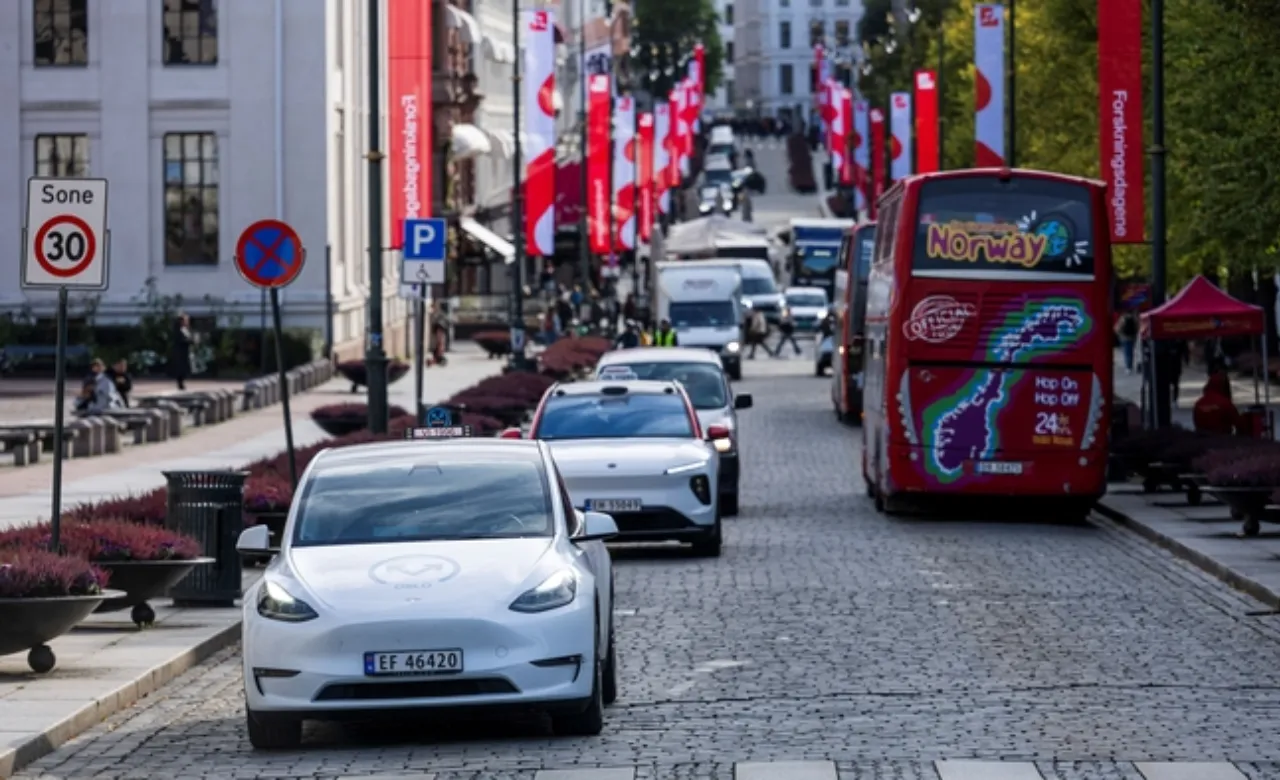
Norway has reached a remarkable milestone in its journey toward clean transportation. In January 2026, the country sold just seven petrol-powered cars. This number represents the lowest figure ever recorded in Norwegian history. The news shows how far the nation has come in switching from fossil fuel vehicles to electric cars.
The total number of new cars registered in January was 2,218 vehicles. Out of these, electric vehicles made up 94 percent of all sales. This means 2,084 electric cars found new owners during the month. The remaining vehicles included 98 diesel cars and 29 hybrid models. The seven petrol cars sold represent less than one percent of the total market.
This achievement did not happen overnight. Norway has been working toward this goal for many years. About ten years ago, the government set a target to end fossil fuel car sales by 2025. Many people thought this was too ambitious and impossible to achieve. However, Norway proved them wrong with smart policies and consistent efforts.
The government made electric cars easy to buy by offering tax benefits and other incentives. At the same time, they placed heavy taxes on petrol and diesel vehicles. This approach is sometimes called the “polluter pays” system. It makes buying a fossil fuel car much more expensive than choosing an electric one. The price difference helped people make the simple choice of going electric.
For over a decade, electric vehicles in Norway paid zero purchase tax and zero value-added tax. The normal VAT rate in the country is 25 percent, so this was a huge saving for buyers. Meanwhile, petrol and diesel cars faced pollution taxes based on their weight and carbon emissions. These taxes could nearly double the price of a traditional car.
In January 2026, Norway introduced new VAT rules for electric vehicles. This change meant that electric cars would no longer be completely tax-free. Many buyers rushed to dealerships at the end of 2025 to purchase cars before the new tax took effect. This created record sales in December 2025, with over 35,000 new cars registered in that month alone.
The January figures look very different because of this rush. The market saw a 77 percent drop compared to January 2025. However, this does not mean demand has disappeared. Experts say the numbers simply reflect the fact that many people bought their cars earlier to avoid the new tax. The market is expected to stabilize in the coming months.
The most popular electric vehicle in January was the Volkswagen ID.3, with 299 registrations. The Toyota bZ4X came in second place with 184 units. Other models like the Toyota Urban Cruiser and Skoda Elroq also found buyers. It is easy to see that consumers now have many options when choosing electric vehicles.
Norway is an oil-producing nation, which makes this achievement even more interesting. The country has built enormous wealth from fossil fuels. It has a sovereign wealth fund worth over 1.8 trillion dollars, mostly from oil and gas profits. Yet Norway is using this money to lead the world away from fossil fuel vehicles.
The transition to electric cars has brought real benefits to Norwegian cities. Streets are quieter because electric vehicles make less noise than petrol cars. The air quality has improved significantly in urban areas. Residents enjoy cleaner breathing conditions and a better living environment overall.
Not every part of Norway has embraced electric cars equally. In remote regions like Finnmark in the north, only 86 percent of new cars were electric. These areas have fewer charging stations, which makes owning an electric vehicle less convenient. The government recognizes this challenge and is working to expand charging infrastructure across the country.
Despite the success, officials say the work is not finished. About two out of three cars currently on Norwegian roads still run on fossil fuels. These are older vehicles that were purchased years ago. As more people replace their old cars with electric ones, the share of clean vehicles will continue to grow.
The seven petrol cars sold in January likely served special purposes. Some emergency response units and specialized vehicles still use traditional fuel. However, even these niche categories are shrinking as electric alternatives become available.
Norway’s example shows other countries what is possible with the right policies and commitment. The transition happened because the government set clear goals and stuck with them. They made the simple and easy choice the affordable choice for consumers. Other nations watching Norway’s progress may find valuable lessons for their own clean energy transitions.