
A South African fishing company has reported amazing financial results. Sea Harvest Group Limited announced its profits jumped by about 300% in 2025. This is great news for the company and everyone who works there.
The Cape Town-based company made this announcement on Tuesday. They said their headline earnings per share will be between 216 cents and 222 cents. This is the best performance the company has seen since it started trading publicly in 2017. The full results will come out on March 3, 2026.
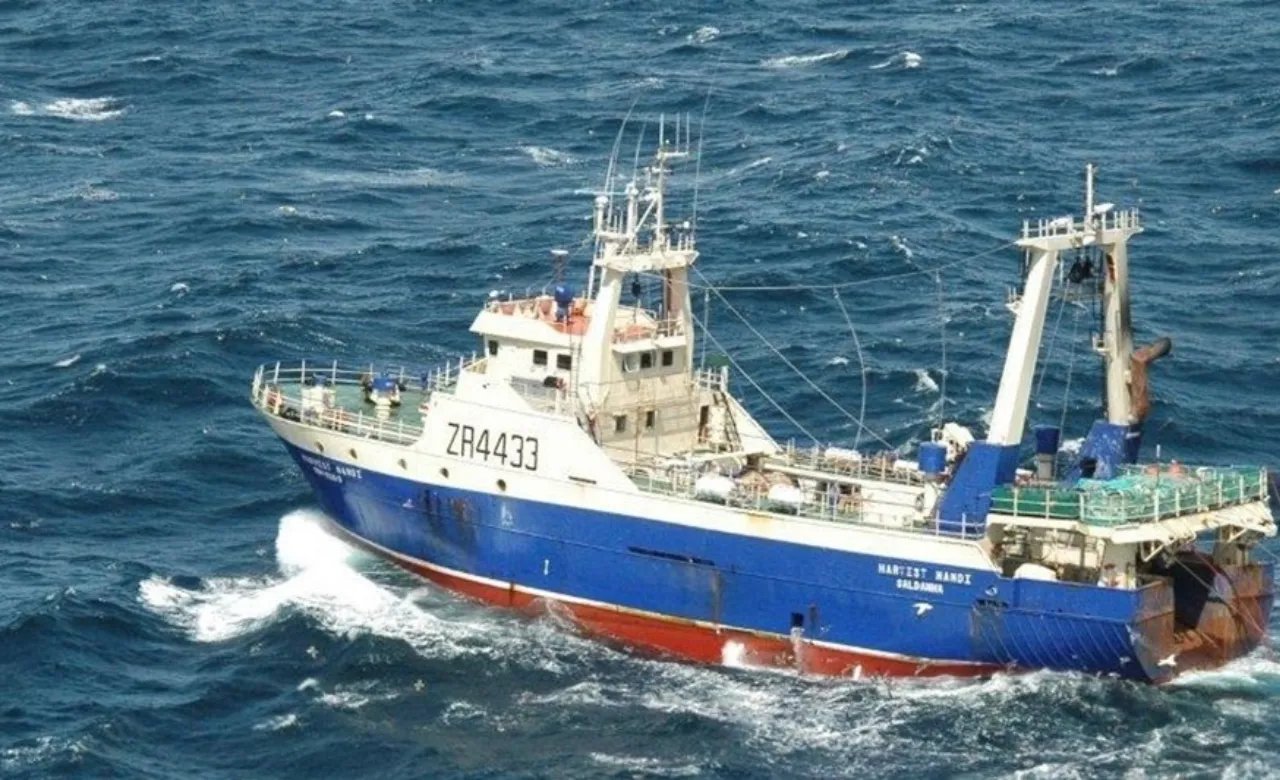
Sea Harvest catches fish and processes them for sale. The company focuses mainly on hake and pelagic fish. Hake is a white fish that many people eat. Pelagic fish include species like sardines and anchovies. These two types of fishing brought in most of the profits this year.
The company said several simple reasons explain this success. First, they caught more fish than before. The ocean conditions were good for fishing. Second, they got better prices for the fish they sold. Third, they made their operations run more smoothly. This means they wasted less money and worked more efficiently.
The hake business did especially well. Fishermen caught larger amounts of hake during the season. At the same time, buyers were willing to pay higher prices. The company also improved how they process and package the fish. All these changes made it easy for Sea Harvest to increase profits.
The pelagic operations also had a strong year. Workers became more efficient in how they handle these fish. The company focused on reducing waste and improving quality. These improvements helped them make more money from each catch.
Sea Harvest doesn’t only catch fish. They also have a dairy business. This part of the company also did better in 2025. The cows produced more milk than in previous years. The company also controlled costs carefully across all their businesses. Every department looked for ways to save money without hurting quality.
However, not everything went perfectly for Sea Harvest. The company has operations in Australia that faced problems. Environmental challenges in Shark Bay hurt their business there. The company had to write down the value of this Australian operation. This is called an impairment in business language.
The company also runs an aquaculture business. This means they farm fish instead of catching wild fish. Unfortunately, this part of the business struggled. Customers in Hong Kong and China didn’t buy as much as expected. Consumer demand stayed weak in these markets throughout the year.
Sea Harvest is making changes to improve its future. The company plans to sell its Ladismith Cheese business. This dairy operation will be sold to another company. Sea Harvest will use the money from this sale to pay off debts. This will make the company’s financial position stronger and more stable.
The fishing industry is important for South Africa’s Western Cape region. Sea Harvest has major operations there, including fishing boats and processing plants. The company employs many people, especially along the West Coast. When the company does well, it helps workers and their families.
Scientists have noted that ocean conditions played a role in the good catches. The southern Benguela marine system had favorable conditions in 2025. This helped fishermen catch more fish. However, experts warn that climate change could affect fishing in the future. Ocean temperatures and currents might shift over time. This could make fishing harder or change where fish live.
For now, Sea Harvest is celebrating its strong performance. The 300% increase in profits shows that their strategy is working. Better catches, good prices, and efficient operations made the difference. The company will release complete financial details in March. Investors and workers are waiting to see the full results.
The fishing company proves that focusing on core strengths brings results. By doing what they do best and doing it more efficiently, Sea Harvest turned around its fortunes. The simple formula of catching more, selling for better prices, and cutting waste worked perfectly for them in 2025.