
The Western Cape government is pushing hard for control of the province’s passenger trains. This comes as South Africa announces major changes to its national transport system. Provincial leaders say they are ready to manage railways better than the current system allows.
Western Cape Mobility Minister Isaac Sileku welcomed the new national transport reforms announced recently. He praised the changes as bold and forward-thinking. But he also stressed one important point – the province needs a clear deadline for when it can take over passenger rail services.
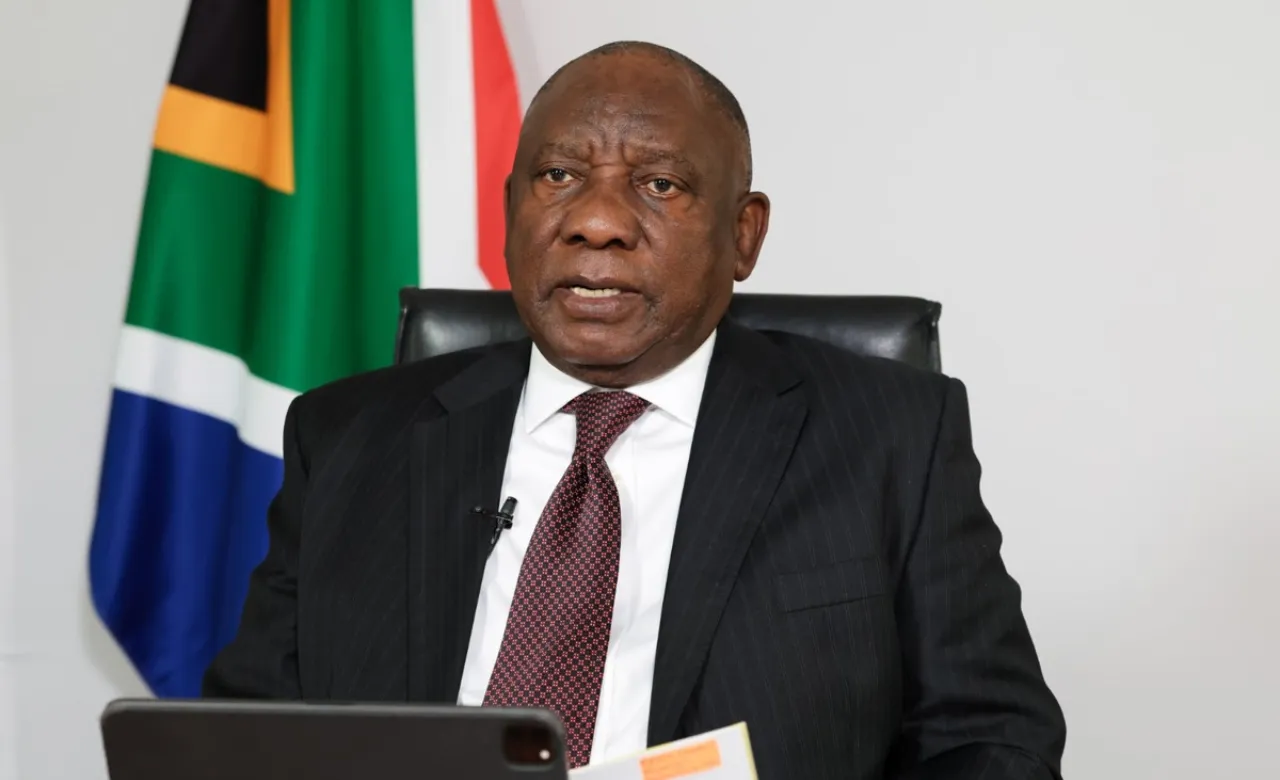
The minister was responding to plans outlined by National Transport Minister Barbara Creecy. She presented these reforms during a strategic planning meeting with transport sector leaders. The changes aim to fix many problems in South Africa’s struggling transport network.
One major reform involves reviewing how money is given to Integrated Public Transport Networks. These are the systems that run buses and trains in different cities. Sileku said this review is very important. It will help make sure transport funding matches real costs and actual performance.
For the Western Cape, this funding issue is particularly serious. The province relies heavily on its bus services. MyCiTi, Golden Arrow, and Go George are the main bus operators. These services have been carrying more passengers lately. Why? Because the railway system keeps having problems.
Sileku explained that people need reliable and safe public transport. He said it is simple – good transport helps restore dignity to commuters. It also supports the economy. Workers can get to their jobs on time. Students can reach schools easily. The whole community benefits.
The national government also decided to release unused freight rail lines. These railway tracks will go to private companies and producers. Sileku welcomed this move. He believes it will create more economic activity. Exporters will find it easy to move their goods. The whole logistics system could improve.
However, the minister gave a warning. He said these benefits will only come if there is good coordination. Ports and provinces must work together properly. South Africa needs an integrated logistics system. This will reduce delays and make businesses more competitive.
The Western Cape Department of Mobility plans to work hard in the coming months. They want to ensure these reforms actually help local residents. Talk alone is not enough. The changes must bring real improvements to people’s daily lives.
Sileku spoke specifically about the railway devolution issue. He noted that no formal announcement has been made yet about giving provinces control over passenger trains. But he said the current reforms align with what the Western Cape has been asking for all along.
The province has been calling for railway devolution for a long time. This is not a new request. Western Cape leaders believe they can manage the train system better. They point to their success with bus services as proof.
Sileku said he looks forward to meeting with Minister Creecy. He wants to discuss a specific timeline for handing over railway control. The province needs to know when this will happen. Planning becomes easy when there are clear deadlines.
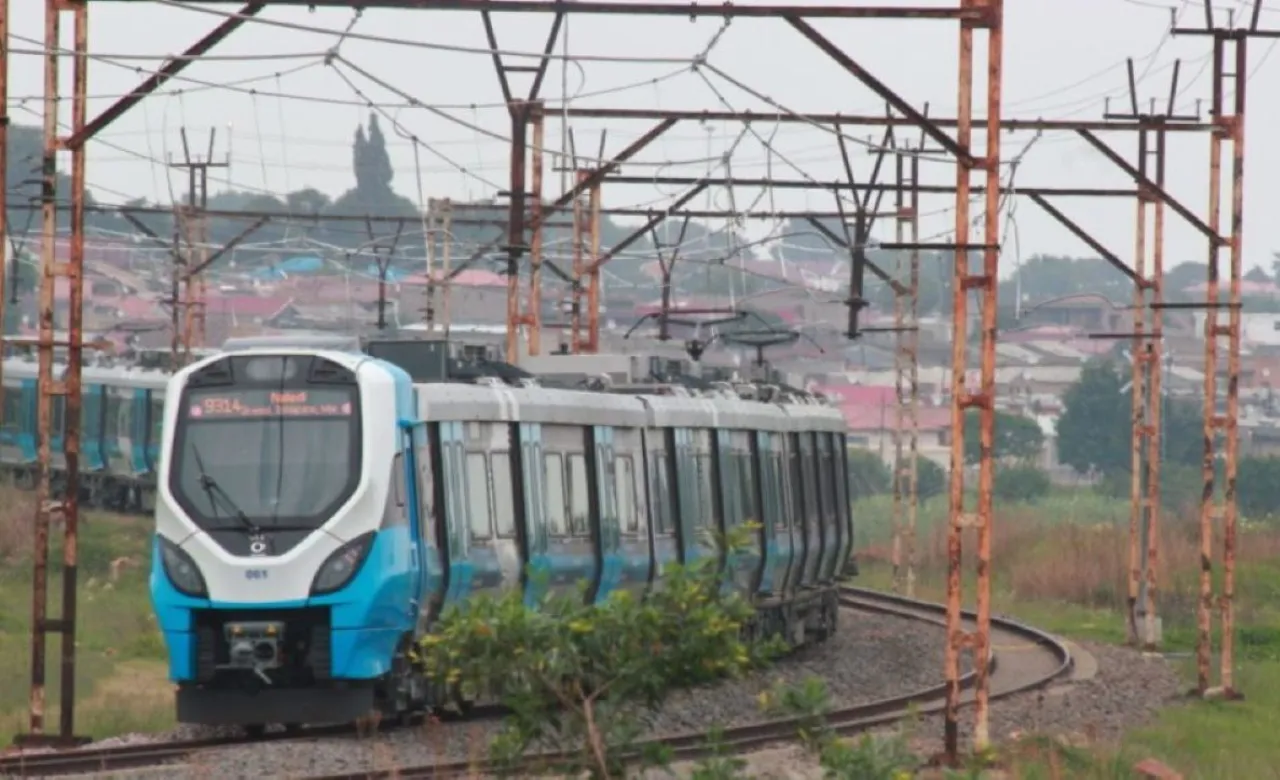
Cape Town’s passenger rail system faces serious challenges right now. Safety is a major concern for commuters. Many people worry about crime on trains and at stations. Service disruptions happen frequently. Trains often run late or not at all. Reliability has declined sharply in recent years.
These problems have forced many commuters to switch to buses. But this creates another challenge. Provincial and municipal authorities face funding constraints. Buses are expensive to run. More passengers mean higher costs. Yet the money available remains limited.
The situation puts pressure on everyone involved. Commuters struggle with unreliable transport. Bus operators try to meet growing demand. Government officials work with tight budgets. Something needs to change.
Provincial leaders believe local control is the answer. They argue that a province-run railway system would be more responsive. Problems could be fixed faster. Decisions would be made by people who understand local needs. The whole system would run more smoothly.
The national reforms offer hope for positive change. But the Western Cape wants more than just promises. The province seeks concrete action with clear timelines. Only then can real progress begin.
For ordinary commuters, these debates might seem complicated. But the core issue is actually quite simple – people need trains that work. They need transport they can rely on. Whether national or provincial government runs the system matters less than getting good service.
The coming months will show whether these reforms lead to real improvements or just more talk.