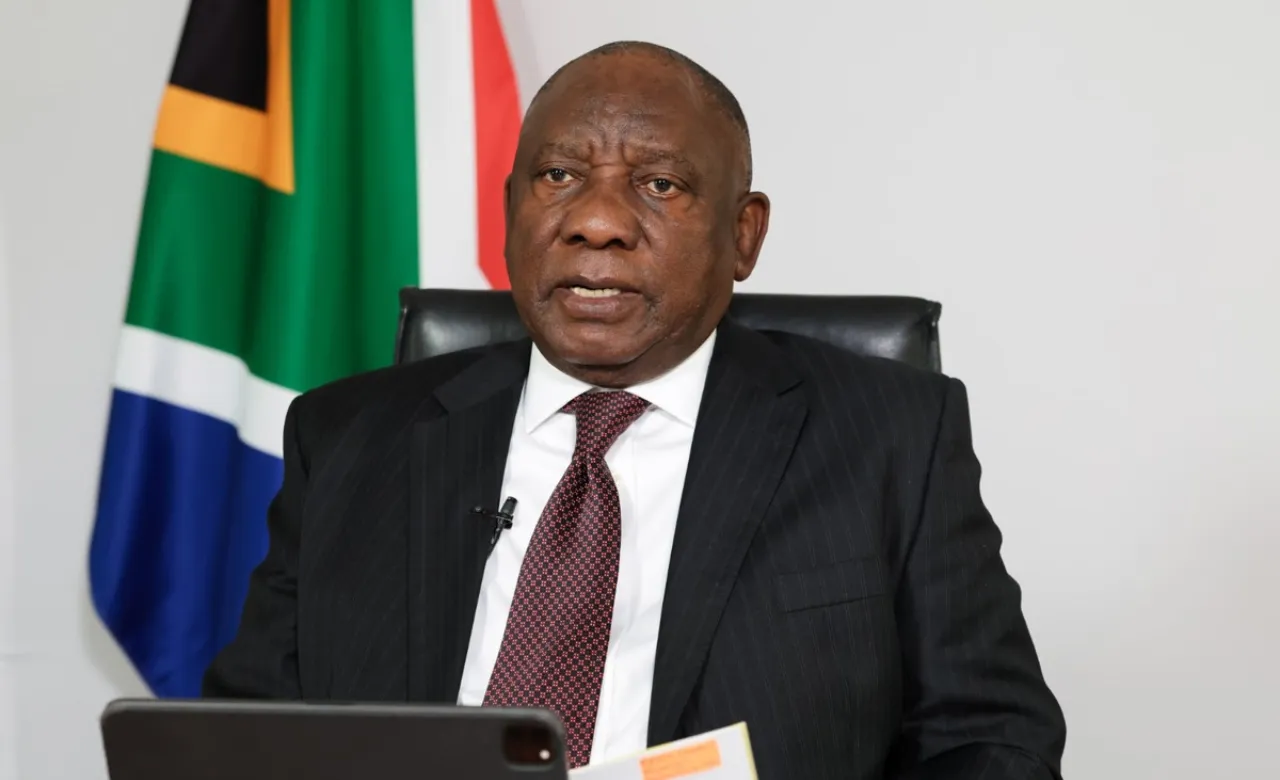

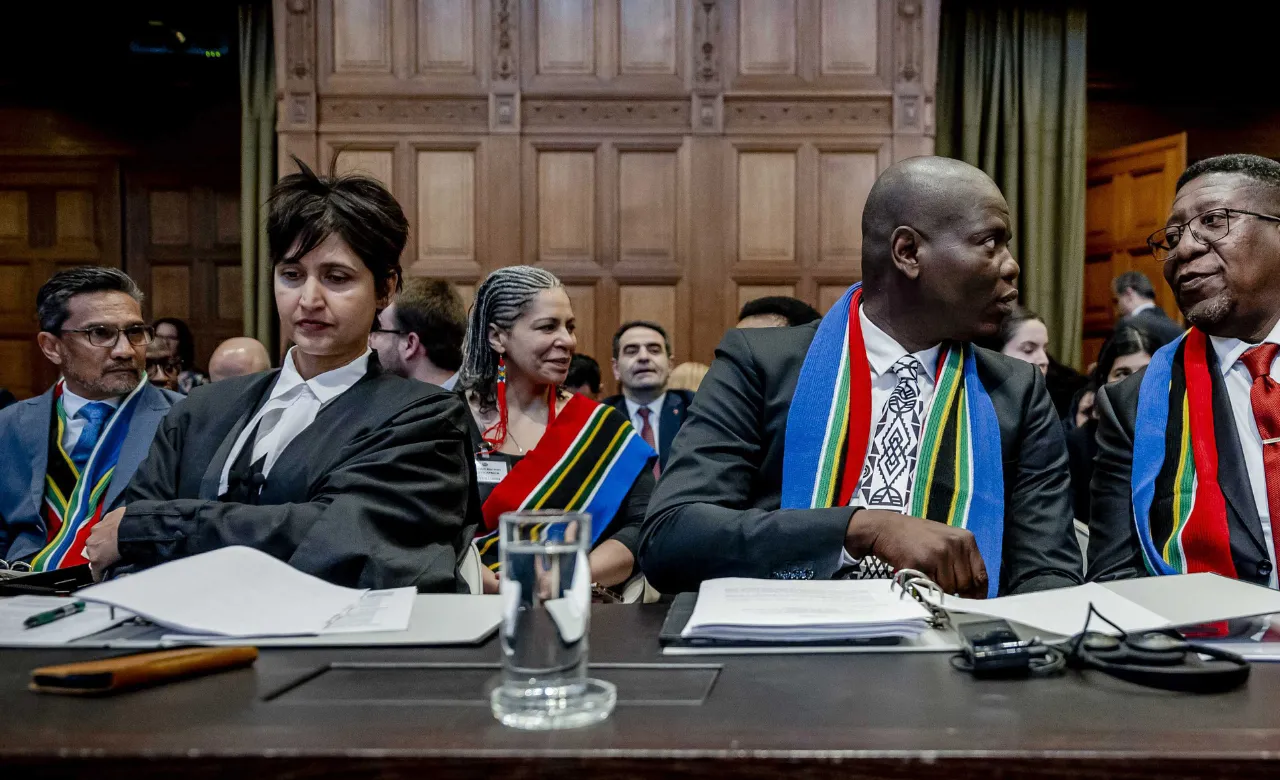
South Africa’s Sports Minister Gayton McKenzie has caused a major stir. He publicly supported America’s Immigration and Customs Enforcement agency, known as ICE. His comments have upset many people who remember the country’s painful history. The controversy raises important questions about what South Africa stands for today.
McKenzie made these statements in an interview with a sports website. He said “Viva ICE!” and explained that he totally agrees with what ICE is doing in America. He even suggested South Africa should copy the same approach. This is not an easy topic for many South Africans to hear about.
Why are people so upset? ICE is the American government agency that enforces immigration laws. The agency has faced strong criticism for its methods. Reports from America show that ICE raids have led to violent confrontations. At least four people died in ICE custody in 2026 alone. One woman named Renee Nicole Good died in Minneapolis in January after a confrontation with ICE officers.
For South Africans, McKenzie’s words bring back painful memories. During the apartheid era, Black South Africans had to carry a passbook called the Dompas. This document controlled where they could live and work. Police would raid homes and demand to see these passes. Families were torn apart. People were arrested in their own country simply for being in the wrong place. The Dompas was more than just paper. It was a symbol of oppression and suffering.
Many people see a simple connection between the old Dompas system and what ICE is doing now. Both target specific groups of people. Both use aggressive enforcement tactics. Both treat human beings as if they don’t deserve dignity and respect.
McKenzie’s comments also clash with Ubuntu, a core African philosophy. Ubuntu means “I am because we are.” It teaches that our humanity is connected to treating others with compassion and dignity. This value helped South Africa heal after apartheid ended. It is supposed to guide the nation’s leaders today.
The government quickly distanced itself from McKenzie’s statements. The Presidency said these were his personal views as a political party leader, not official government policy. A spokesperson named Vincent Magwenya explained that McKenzie leads his own political party called the Patriotic Alliance. Not everything he says represents the government’s position.
McKenzie made these comments while discussing the 2026 FIFA World Cup. The tournament will be held in America, Mexico, and Canada in June. Some people have called for South Africa to boycott the World Cup because of safety concerns. McKenzie strongly disagreed with this idea. He said anyone with a proper visa would be fine. He even claimed that people calling for a boycott were “suffering from cow disease.”
The minister has praised American President Donald Trump many times before. Trump’s administration has taken a hard line on immigration. McKenzie has said he loves Trump and thinks he is doing good things. This is not a popular opinion in South Africa, where the government often takes strong stands on human rights issues.
Critics say McKenzie’s position betrays South Africa’s history and values. The country built its reputation on fighting for human rights. After decades of suffering under apartheid, South Africans know what it feels like to be treated as less than human. Supporting policies that echo those dark days seems like forgetting where the country came from.
McKenzie also leads the Patriotic Alliance, a political party known for its “Abahambe” campaign. This campaign targets illegal immigrants in South Africa. The party has organized actions at the border with Zimbabwe. Some people see connections between this campaign and McKenzie’s support for ICE.
The debate highlights a difficult truth. Immigration is a complex issue in every country. But the way governments treat people matters. Methods that rely on fear, raids, and dehumanization bring up painful questions. For South Africans especially, these questions are not academic. They are personal.
South Africa cannot afford to forget its past. The scars of apartheid are still healing. Leaders who hold important positions have a responsibility to remember where the country has been. They must protect the values that helped build a new nation. Ubuntu is not just a word. It is a way of living that sees humanity in every person.