
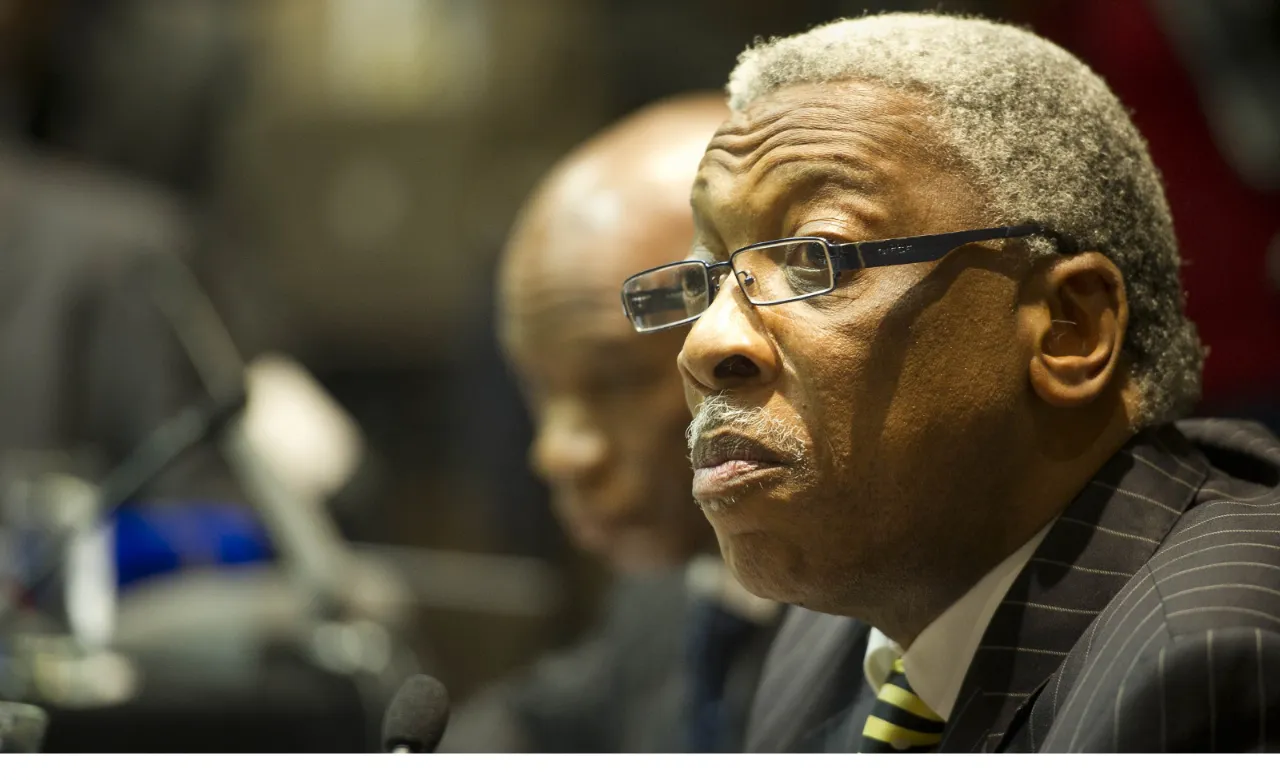
A legal fight is about to begin in South Africa’s court system. Eastern Cape Judge President Selby Mbenenge was cleared of sexual harassment charges but found guilty of misconduct. Now, he plans to return to work while the case is still under review. This decision has created tension and raised questions about how the justice system handles such complaints.
The case started when Andiswa Mengo, a high court secretary, accused Judge Mbenenge of sexual harassment. She claimed he sent her unwanted messages and made improper advances. The matter went to a special court called the Judicial Conduct Tribunal. This tribunal was set up to investigate the serious allegations against the judge.
After months of hearings and examining evidence, the tribunal made its decision. The tribunal found Judge Mbenenge not guilty of gross misconduct. This means the judge will not face removal from his position. However, the story does not end there. The tribunal did find him guilty of a lesser form of misconduct because of his flirtatious relationship with Mengo.
The tribunal looked at WhatsApp messages between the two people. The messages were described as “flirtatious” and sometimes “very salacious”. The tribunal said these messages showed both adults were taking part in the conversation. They concluded the exchange was between two people who agreed to communicate this way.
During the investigation, something important came to light. The tribunal found that Mengo had left out messages from her complaint – flirtatious messages she herself had sent to the judge. This hurt her case significantly. The tribunal said this omission damaged her honesty and made it hard to believe her other claims.
The tribunal also looked at other allegations. Mengo said an incident happened in the judge’s office where he behaved inappropriately. Judge Mbenenge strongly denied this claim, and the tribunal found no credible evidence to support it. The judge provided proof such as vehicle tracking reports that showed he was not at the court building when Mengo said the incident occurred.
Many people have concerns about what this ruling means. Women’s Legal Centre stated the report shows the prejudice and stigma faced by women who speak out about sexual harassment, especially when there are power differences. They worry this case will affect how other people view reporting such complaints in the future.
The process is not finished yet. The case now goes to the Judicial Service Commission, which will make the final decision Judges Matter. Both sides can submit written arguments. The Commission can decide on punishments such as a fine, a warning, required training, or other actions. However, it cannot remove the judge from office because he was not found guilty of gross misconduct.
What makes this situation more complicated is the judge’s plan to return to work now. Reports say Judge Mbenenge intends to go back to the bench before the final ruling is made. This is unusual. Most judges facing such investigations are suspended until everything is resolved. In this case, Judge Mbenenge was given special leave instead of being suspended.
Legal experts have mixed views about the ruling. Some say the tribunal correctly looked at all the evidence and made fair conclusions. Others argue that power differences between a judge and a secretary were not given enough weight. The case is described as critically important and will set a precedent for similar complaints in the future.
Mengo’s legal team says they are not giving up. They plan to challenge the tribunal’s findings. The Centre supporting Mengo says it remains steadfast in helping her and will make further submissions to the Judicial Service Commission. They point out that the judge was still found guilty of misconduct, which shows her complaint was not without reason.
This case has created a national conversation about workplace behavior, power relationships, and how sexual harassment claims are handled in South Africa’s courts. People on both sides of the debate are watching closely to see what happens next. The final decision by the Judicial Service Commission will likely influence how similar cases are treated in the years to come.