

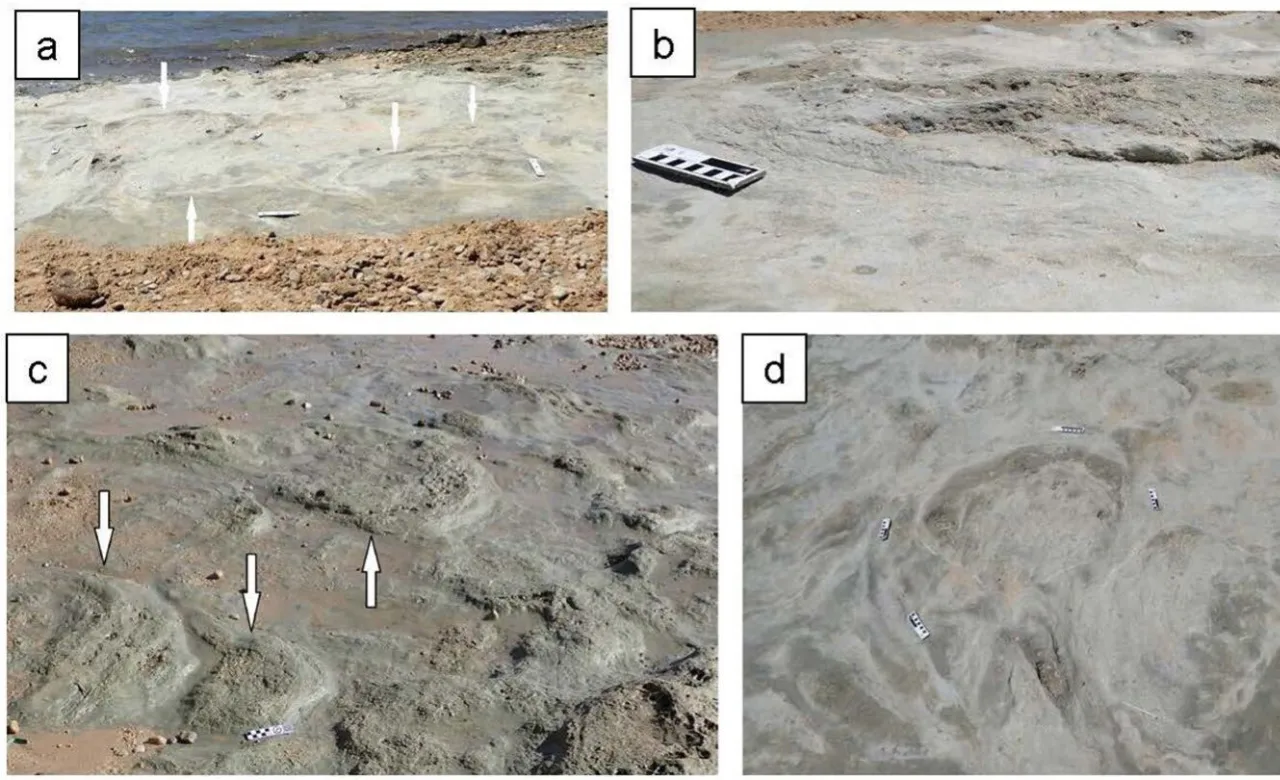
Scientists have made an exciting discovery near Knysna that is changing what we know about dinosaurs in South Africa. Researchers found more than two dozen dinosaur footprints in coastal rocks. This finding is helping experts understand how these ancient creatures lived millions of years ago.
The discovery happened while scientists were studying rock formations along the southern Cape coast. They found the tracks in what is called the Brenton Formation. The footprints are estimated to be 132 million years old. This makes them the youngest known dinosaur tracks ever found in southern Africa.
The site where the tracks were found is quite small. It measures only about 40 meters long and five meters wide. However, the large number of tracks in this tiny area suggests something important. Dinosaurs were likely quite common in this region during ancient times.
Finding these tracks is particularly special for the Western Cape. Before this discovery, evidence of dinosaurs in this province was very rare. Scientists had only found a handful of isolated bones and teeth. Now, these footprints provide much more information about how dinosaurs lived here.
The tracks were made by different types of dinosaurs. Some were left by theropods, which were meat-eating dinosaurs. Others were made by plant-eating ornithopods. Scientists also think some tracks might belong to sauropods. These were the massive dinosaurs with long necks that many people recognize from movies and books.
What makes this discovery even more remarkable is the location. The tracks are in the modern intertidal zone. This means the ocean covers them twice every day when the tide comes in. Finding and studying them requires careful timing and quick work before the water returns.
South Africa is famous worldwide for dinosaur fossils, especially in the Karoo Basin inland. However, massive volcanic eruptions happened about 182 million years ago. These eruptions covered much of the region in lava. This created a gap in the fossil record that lasted millions of years. Evidence of dinosaurs living after these eruptions was very scarce.
This new discovery near Knysna is helping to fill that gap. It shows that dinosaurs continued to live and thrive in the area long after the volcanic events. The tracks provide clues about how these creatures moved, where they lived, and how they behaved. This type of information is hard to get from bones alone.
Scientists say the discovery could lead to more findings in the future. Similar rock formations exist along the Western and Eastern Cape coastlines. Researchers believe that systematic exploration of these areas might reveal even more dinosaur evidence. This could greatly expand our understanding of how dinosaurs adapted and survived during a critical period in Earth’s history.
The research team is now working to document and protect the site. Because the tracks are submerged regularly by tides, there is urgency in this work. Scientists want to make sure these precious footprints are preserved for future study.
This finding is a simple reminder that important discoveries can happen in unexpected places. The tracks near Knysna are rewriting the story of dinosaurs in southern Africa. They show that these magnificent creatures walked the same beaches where people swim and play today.
As research continues at the Knysna track site, scientists expect to learn much more. Each footprint tells a story about life 132 million years ago. Together, they paint a picture of a time when dinosaurs ruled the earth, right here in the Garden Route area.
The discovery has generated excitement among paleontologists around the world. It proves that there is still much to learn about the prehistoric past. The easy-to-reach coastal location also means that this site could become an important educational resource. People might one day be able to visit and see these ancient tracks for themselves.
This discovery near Knysna represents a major breakthrough in understanding South Africa’s dinosaur heritage. It opens new research opportunities and helps scientists piece together the puzzle of how life on Earth changed over millions of years.