
The South African government is moving forward with plans to purchase a state-owned company that recently reported a staggering R2.6 billion loss. This decision has raised eyebrows among citizens and financial experts who question whether this is a wise use of taxpayer money.
The company in question is the South African Forestry Company, also known as SAFCOL. It operates in the forestry industry and manages large areas of plantations across the country. Despite its significant financial troubles, the government believes taking full ownership is the right move for the nation’s future.
SAFCOL has been struggling financially for years. The recent R2.6 billion loss shows just how deep the company’s problems run. These losses come from various issues including poor management decisions, declining timber prices, and operational challenges. Many people find it hard to understand why the government would want to buy a company losing so much money.
The Department of Public Enterprises has confirmed it is in the process of acquiring the remaining shares it doesn’t already own. Right now, the government owns about 89% of SAFCOL through the Public Investment Corporation. The plan is to buy the remaining 11% to gain complete control. This would make SAFCOL fully state-owned rather than partly private.
Government officials argue this move makes simple business sense in the long run. They believe that with proper management and investment, SAFCOL can turn around its fortunes. The forestry sector is important for South Africa’s economy, providing jobs and resources for various industries. Officials say keeping this asset under full government control will make it easy to implement necessary reforms.
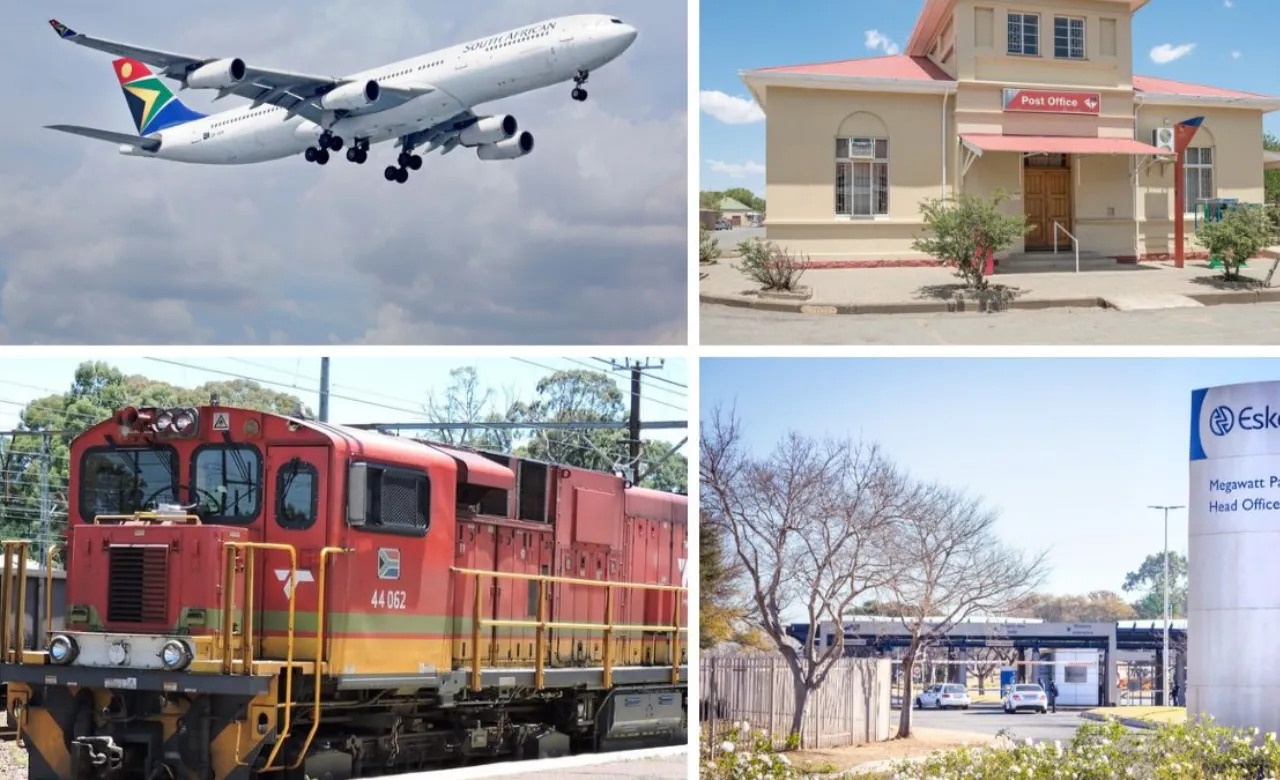
However, critics are not convinced by these arguments. They point to South Africa’s track record with state-owned enterprises, many of which have struggled with corruption, mismanagement, and financial losses. Eskom, the power utility, and South African Airways are prime examples of state companies that have required billions in bailouts from taxpayers.
The timing of this purchase has also sparked debate. South Africa faces many economic challenges including high unemployment, slow growth, and budget constraints. Some economists argue that R2.6 billion could be better spent on education, healthcare, or infrastructure projects that directly benefit citizens.
Trade unions have welcomed the decision, saying it protects jobs in the forestry sector. SAFCOL employs thousands of workers across the country, and these jobs would be at risk if the company were sold to private investors who might restructure or downsize operations. Union leaders believe government ownership offers more simple job security for workers.
The forestry industry itself is worth billions to the South African economy. It supplies timber for construction, paper production, and furniture manufacturing. Supporters of the buyout say losing SAFCOL to foreign investors or seeing it collapse would harm these dependent industries.
Financial analysts remain skeptical about the government’s ability to turn the company around. They note that previous attempts to rescue struggling state enterprises have often failed, resulting in more losses for taxpayers. The question on everyone’s mind is whether SAFCOL will become another financial burden or if it can actually become profitable under full state control.
The government has promised to implement strict oversight and bring in qualified management to address SAFCOL’s problems. Whether these promises will translate into real improvements remains to be seen. For now, South Africans are watching closely to see if their tax money will be used wisely or if this becomes another costly mistake in the management of state assets.