

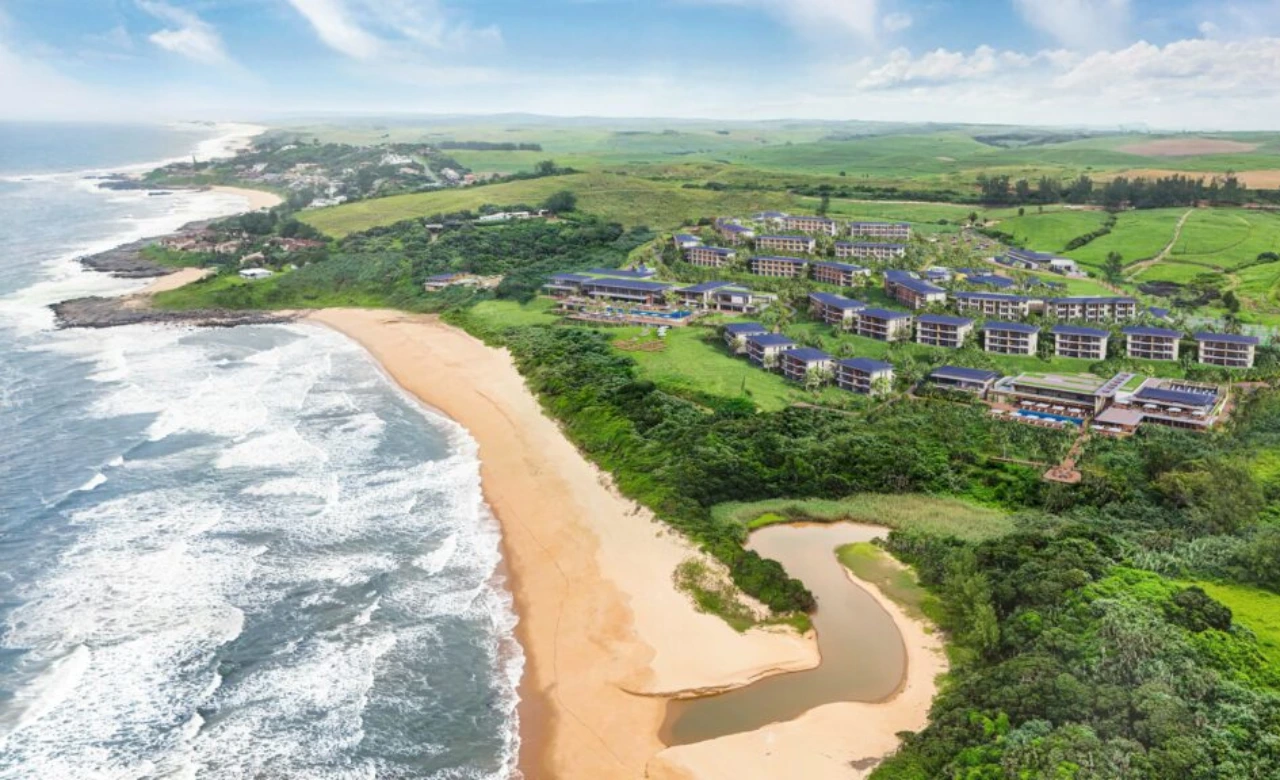
A major controversy has erupted over plans to install shark nets at a new luxury resort in KwaZulu-Natal. Scientists say the protective measures could threaten endangered marine species. The debate centers around the R2 billion Club Med Beach and Safari Resort at Tinley Manor on the north coast.
Environmental activists are raising serious concerns about the proposed shark nets and drumlines. These devices are meant to protect swimmers from shark encounters. However, experts say they often catch and kill many other ocean creatures that pose no danger to humans. The resort is expected to open next year and will attract wealthy international tourists.
The KwaDukuza municipality has applied to install shark control equipment at Tinley Manor beach. Conservation groups claim Club Med is behind this request. They say the resort included these safety measures in its environmental consultation documents. More than 70 organizations have joined together to oppose the plan. They represent dive operators, scientists, and marine protection advocates.
Marine biologist and conservationist Brendan Kowalski explains that shark nets work like underwater traps. They do not create a simple barrier that keeps sharks away from beaches. Instead, they catch and kill animals swimming through the area. Endangered species, dolphins, turtles, and harmless sharks often get tangled in these nets. Many die before they can be freed.
Research shows that 13 out of 14 shark species regularly caught by existing nets in KwaZulu-Natal are listed as vulnerable, endangered, or critically endangered. The two species caught most often are dusky sharks and scalloped hammerhead sharks. Both face serious threats to their survival. A 2015 government study found that shark nets in the region are responsible for more than half of all recorded catches of five endangered shark species.
Conservation groups point to an important fact about Tinley Manor. No unprovoked shark attacks have been recorded at this beach since the early 1990s. That was the last time shark nets were used there. Activists argue this proves the nets are not necessary for safety. They say shark encounters are extremely rare events. In 2024, only seven fatal shark attacks occurred worldwide.
The environmental impact of shark nets extends beyond sharks themselves. Humpback dolphins are critically endangered, partly because of these devices. The guitarfish population also faces critical danger. Great white shark numbers have dropped dramatically along the South African coast. Some scientists believe this population should now be classified as critically endangered. Sawfish have already gone extinct in South African waters, with shark nets contributing to their disappearance.
Supporters of non-lethal alternatives say better options exist. Cape Town and Plettenberg Bay have successfully used Shark Spotter programs. Trained observers watch for sharks from elevated positions and warn swimmers when needed. Drones equipped with cameras can monitor large areas of coastline quickly. They provide real-time surveillance and allow for immediate warnings. The SharkSafe Barrier used in the Bahamas creates an eco-friendly deterrent. Exclusion nets at Fish Hoek Beach block entry without harming wildlife. These methods protect both people and marine animals.
The economic argument also favors conservation. Studies estimate that each great white shark contributes approximately R10.2 million in tourism value during its lifetime. Based on documented deaths from shark nets over the years, South Africa has lost more than R10.6 billion in potential revenue. Local dive tourism, shark cage diving excursions, and marine research programs all suffer when these animals disappear.
The KwaZulu-Natal Sharks Board defends its program. They maintain that shark nets have reduced attacks at protected beaches by 100 percent. They argue no cost-effective alternatives currently exist for high-energy surf zones. The board says it catches an average of 563 animals per year across all protected beaches. They claim this represents a minimal impact compared to commercial fishing operations.
Critics strongly disagree with these claims. They note that Club Med promotes itself as an eco-friendly travel brand. Installing gillnets that kill non-target wildlife on a large scale contradicts this image. Environmental groups say proven alternatives could protect ocean users and marine life while creating jobs. They want the luxury resort to pioneer sustainable shark risk mitigation instead of using outdated culling systems.
Public participation meetings were held in November to discuss the proposal. The Department of Forestry, Fisheries and the Environment is reviewing the application. The outcome will determine whether endangered species face new threats or whether modern conservation methods will prevail.