
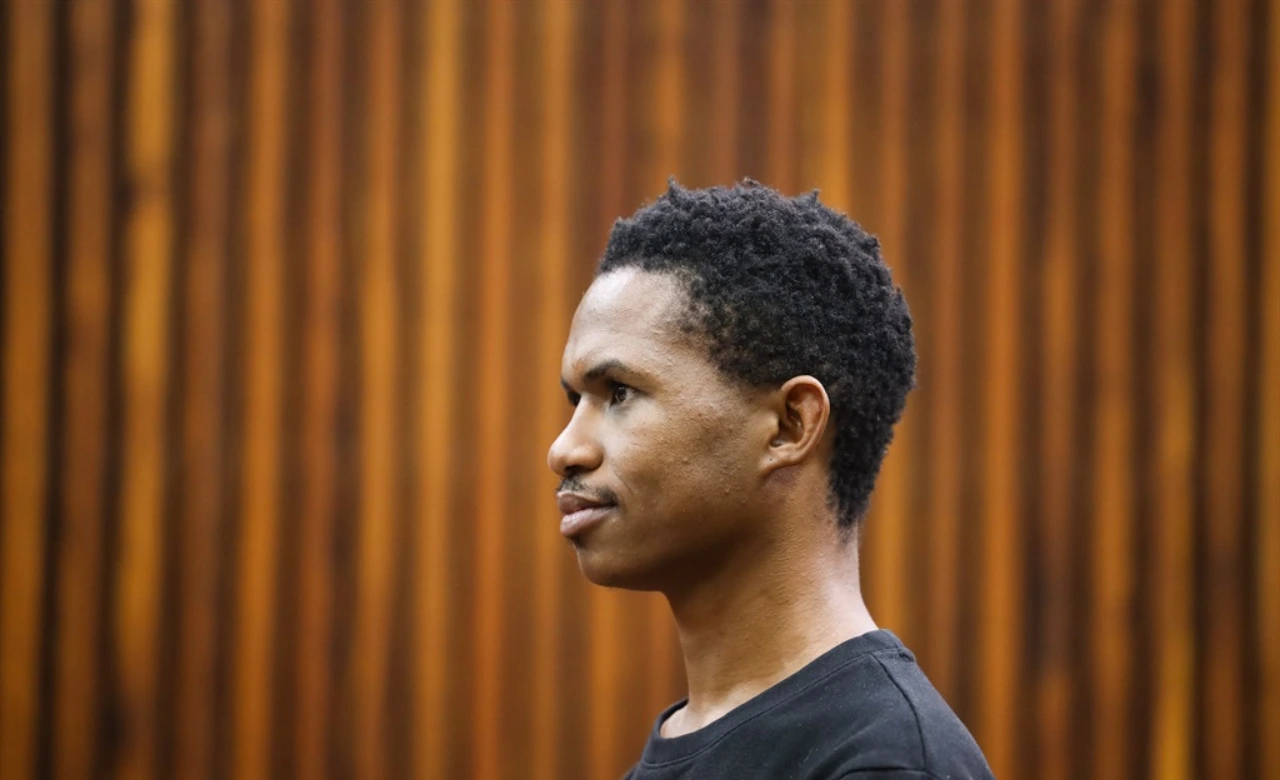
Police deputy minister Cassel Mathale has strongly rejected claims that he forced senior police officers to arrest controversial celebrity blogger Musa Khawula. The allegations emerged during testimony at a major commission investigating corruption and political interference in South Africa’s criminal justice system.
The accusations came to light when a witness known as Witness F testified at the Madlanga commission on Wednesday. This commission is looking into allegations of criminal activity, political meddling, and corruption within the police and justice system. Witness F told the commission that his boss, suspended deputy commissioner Lt-Gen Shadrack Sibiya, informed him that Mathale’s office was putting pressure on him to arrest Khawula.
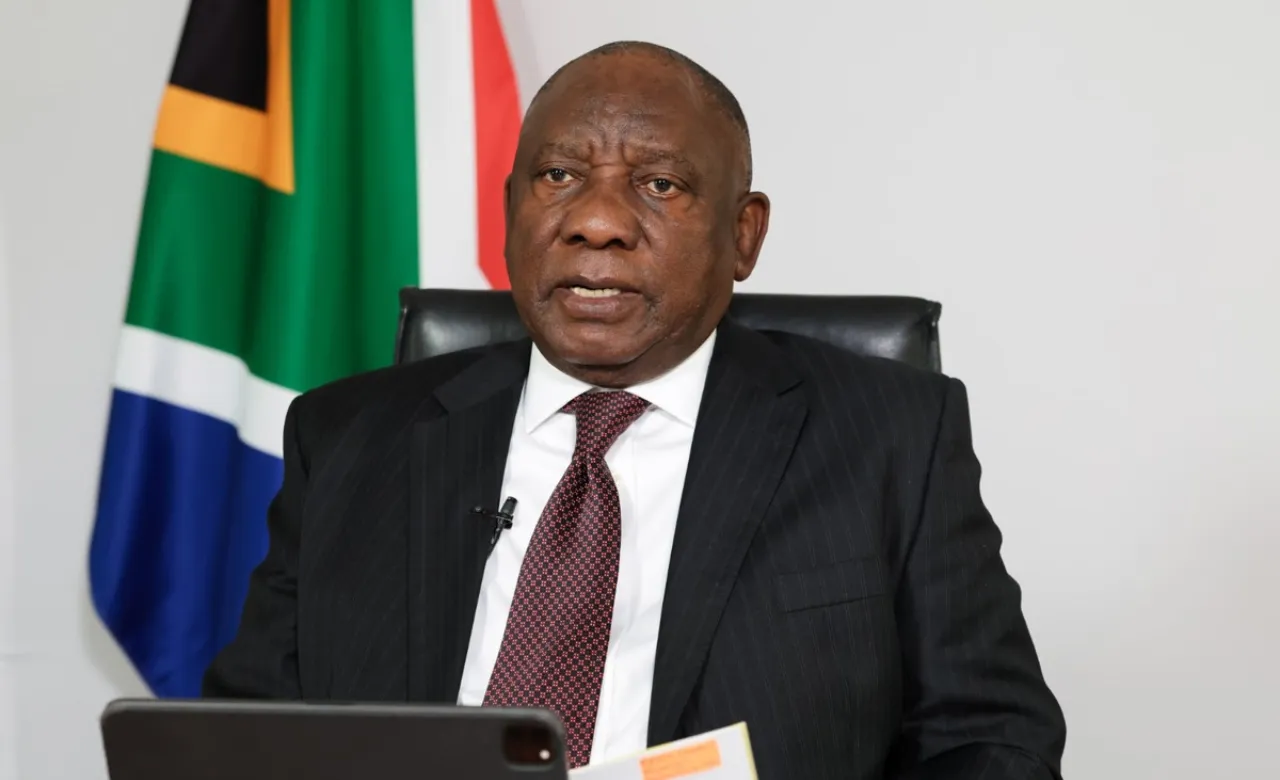
Mathale issued a clear denial of these claims. He stated that he never had any conversation with General Sibiya about arresting Khawula or any other person. The deputy minister also said he is not aware of anyone from his office who would have applied such pressure on police officials.
The arrest of Khawula happened after the blogger made insulting posts about ANC secretary-general Fikile Mbalula and businessman Ze Nxumalo on social media. Khawula is known for posting controversial and often defamatory content about celebrities and public figures on his platforms.
According to testimony at the commission, Witness F sent the arrest warrant for Khawula to an alleged cartel member named Vusimuzi “Cat” Matlala. The witness said he did this so Matlala could help him make the arrest. This action raised serious questions because it came just days after Khawula exposed Matlala’s alleged criminal activities on Twitter.
The timing of events appears suspicious. A few days after Khawula posted about Matlala’s supposed crimes, Gauteng head of organized crime Maj-Gen Richard Shibiri sent Witness F screenshots of Khawula’s tweets. The messages warned Khawula not to post stories about Matlala, describing him as a “good guy” who “bothered no one.” Shortly after this, an arrest warrant for Khawula appeared and was shared with Matlala.
When asked why he would share an arrest warrant with someone accused of being part of a criminal cartel, Witness F gave a simple explanation. He told the commission that he wanted Matlala to assist in arresting Khawula. This testimony is significant because Witness F is accused of being the connection between Sibiya and criminal cartels, while Matlala is alleged to be a member of these criminal networks.
Khawula has had previous legal troubles related to his social media posts. In October 2024, he made defamatory claims about Nxumalo, stating that his wife Dr Tamaryn Green-Nxumalo was pregnant while he was cheating on her. Nxumalo sent a legal letter demanding Khawula retract the statement or face charges of crimen injuria, which is a crime involving the unlawful and intentional violation of someone’s dignity.
Earlier in July 2024, Khawula was jailed for 90 days for contempt of court. This happened after he refused to comply with a defamation verdict obtained by Mbalula’s wife, Nozuko. The court order barred Khawula from posting corruption allegations about her on the social media platform X, formerly known as Twitter.
The commission also heard other concerning evidence yesterday. WhatsApp chat messages extracted from Witness F’s phone reveal that Matlala allegedly met with Shibiri at Sibiya’s home. When asked about this meeting, which took place at 7:30 pm on September 14, 2024, Witness F described it as a thanksgiving event. However, this explanation did not address why alleged cartel members would be meeting with senior police officials at a private residence.
The evidence leader, advocate Matthew Chaskalson, questioned Witness F about how he knew about the relationship between Sibiya and Matlala. The witness said he first became aware of it in December 2023 when Sibiya called him to his office and asked him to fetch someone. That person turned out to be Matlala, who told Witness F he was there to complain about his tender with the South African Police Service.
These revelations paint a troubling picture of possible connections between senior police officials and alleged criminal networks. The fact that an arrest warrant was shared with someone accused of criminal activity raises serious questions about the integrity of law enforcement processes. It is not easy to understand why police would involve alleged criminals in making arrests.
The commission’s work continues today as it attempts to uncover the full extent of corruption and political interference in South Africa’s criminal justice system. The testimony so far suggests that the links between police officials and criminal elements may be more extensive than previously known. For ordinary citizens, these revelations are concerning because they undermine trust in the police force and raise questions about whether justice is applied fairly to everyone.